From Orchard to Market: Black Walnut Grower Workshop Highlights Emerging Opportunities for Missouri Farmers
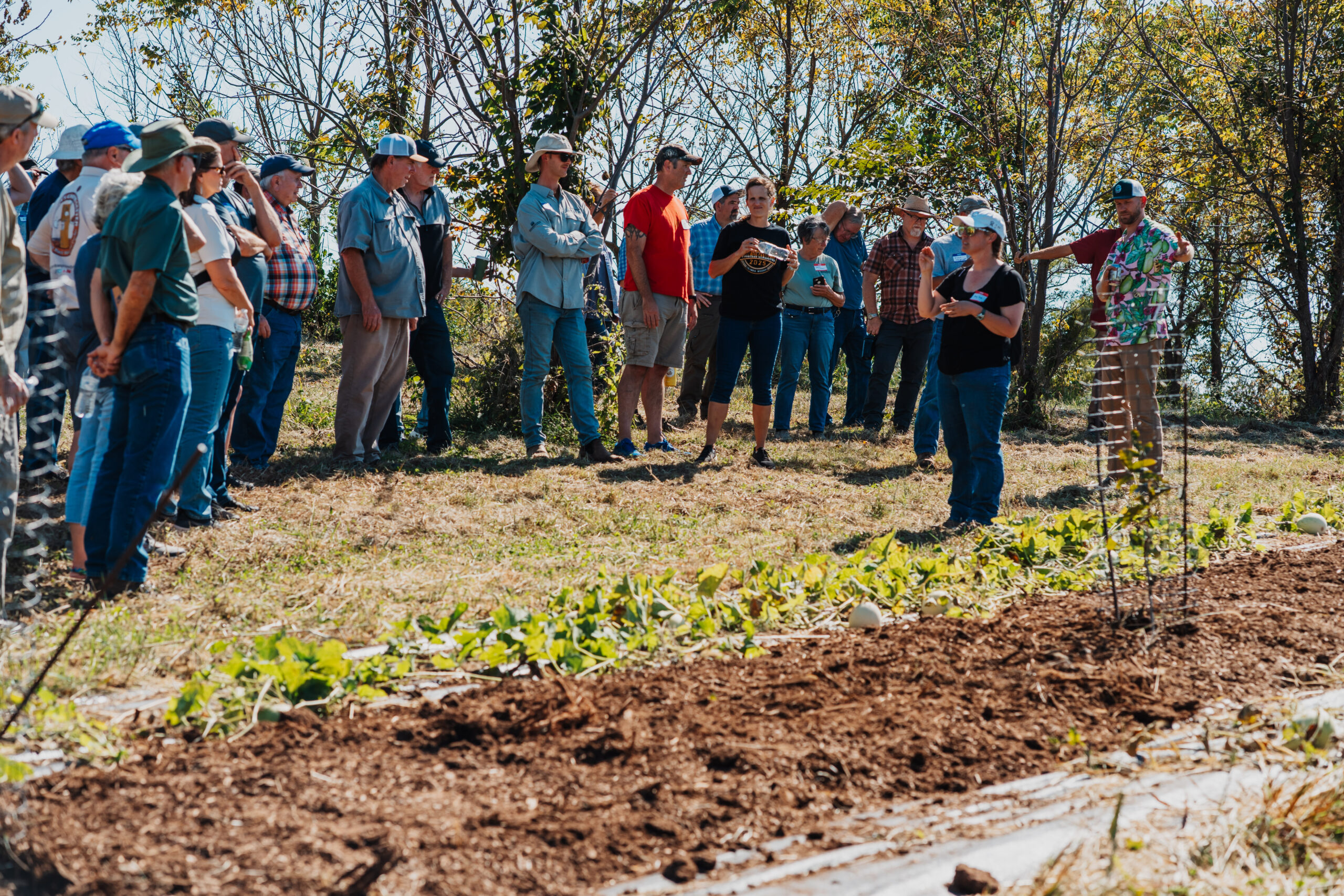
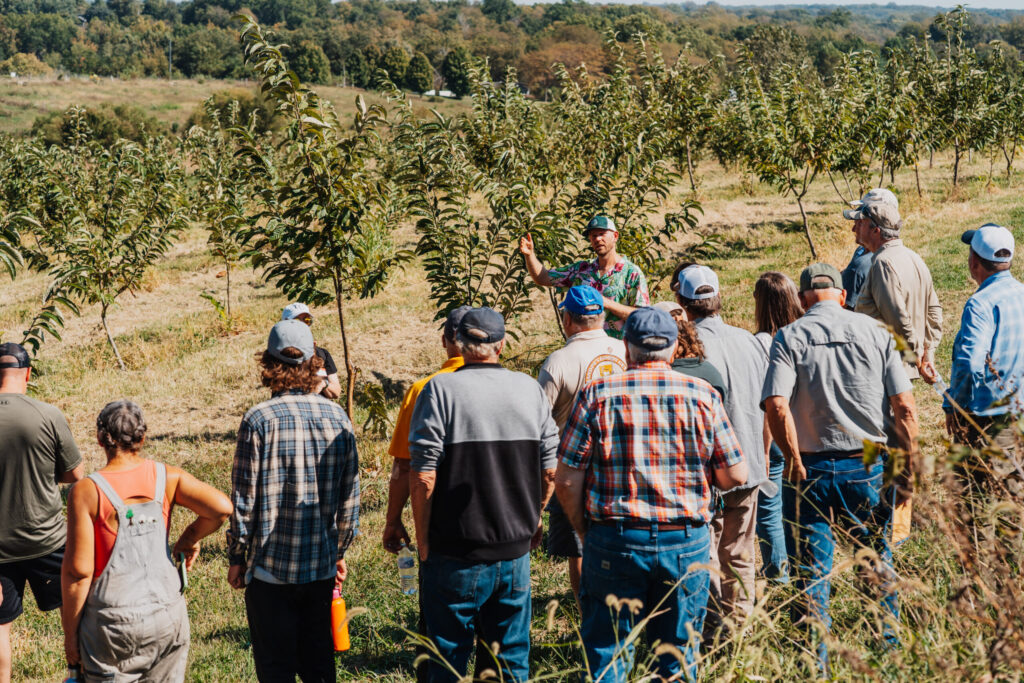
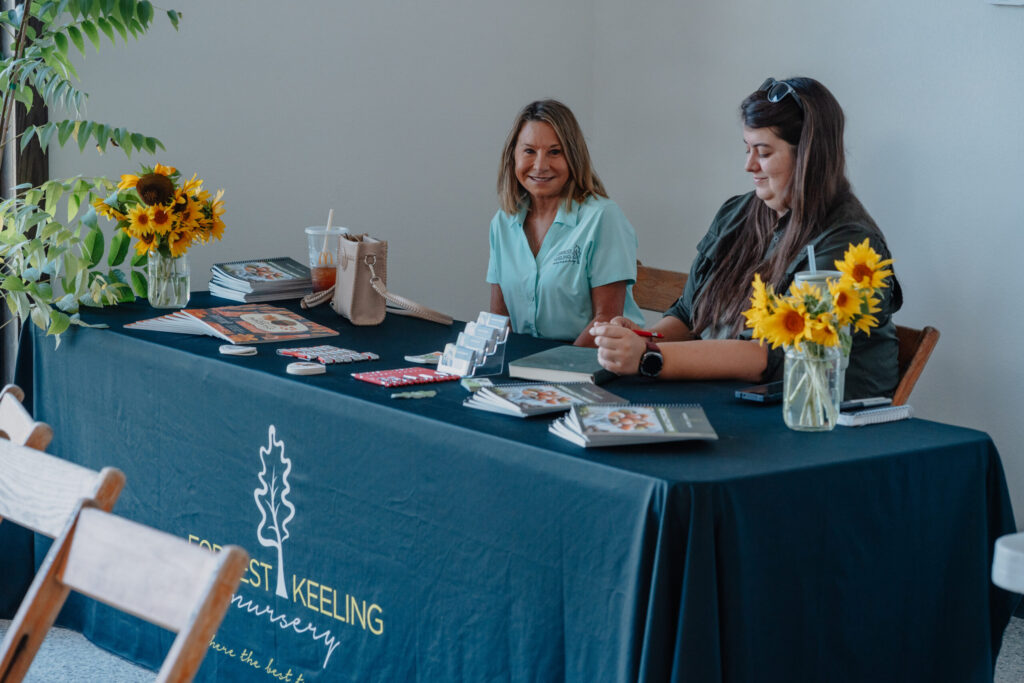
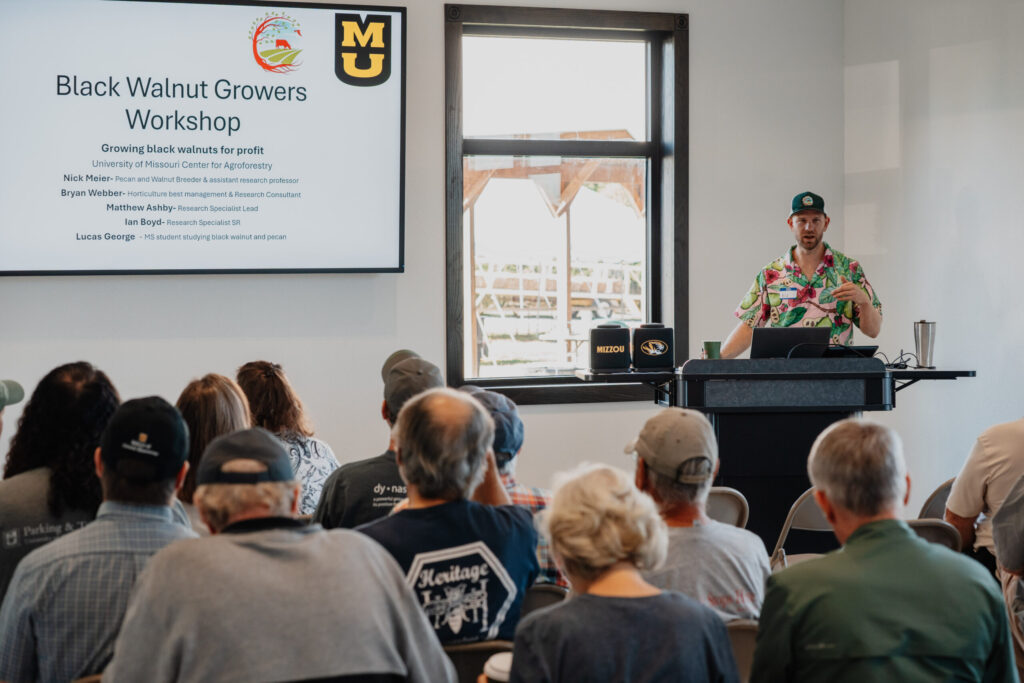
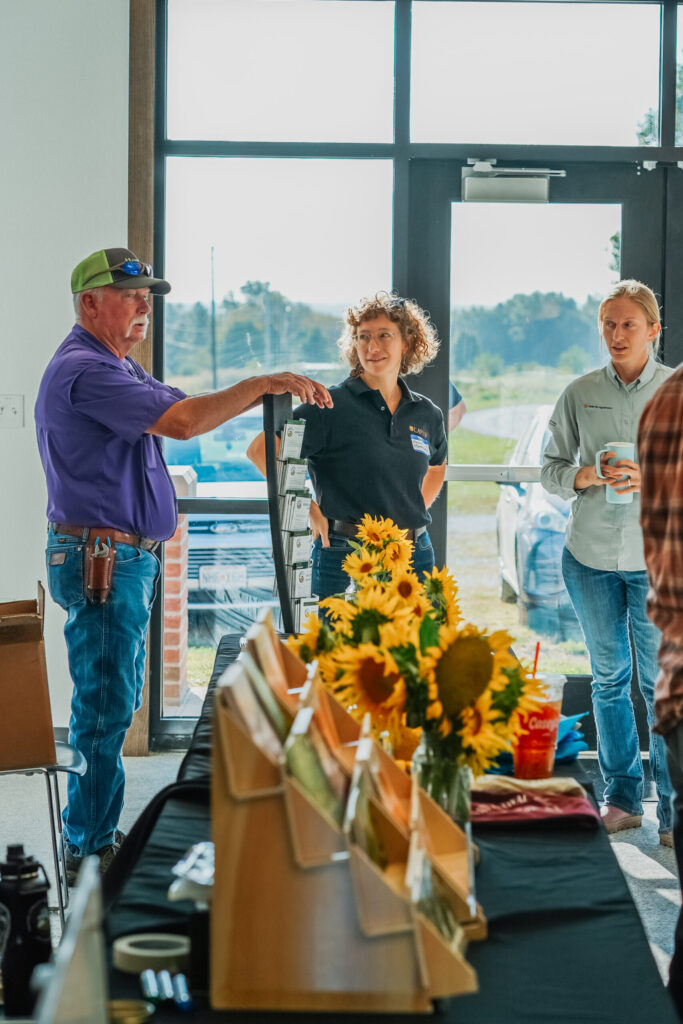
The University of Missouri Center for Agroforestry welcomed 34 current and prospective growers to the MU Horticulture and Agroforestry Research Farm in New Franklin for a hands-on Black Walnut Grower Workshop, held the day before the annual Missouri Chestnut Festival. The daylong event explored the potential of improved black walnut varieties as a commercial orchard crop, combining the latest research with practical guidance on growing, harvesting, processing and marketing black walnuts. Attendees reported that learnings during the conference could impact more than 1,000 acres across the state.
Led by researchers and outreach specialists from the Center for Agroforestry, the workshop offered participants an opportunity to learn about advances in black walnut production while seeing equipment and management practices in action. Attendees represented a range of experience levels, from those considering their first black walnut planting to established growers interested in improving orchard productivity and profitability.
Advancing Black Walnut Production Through Research
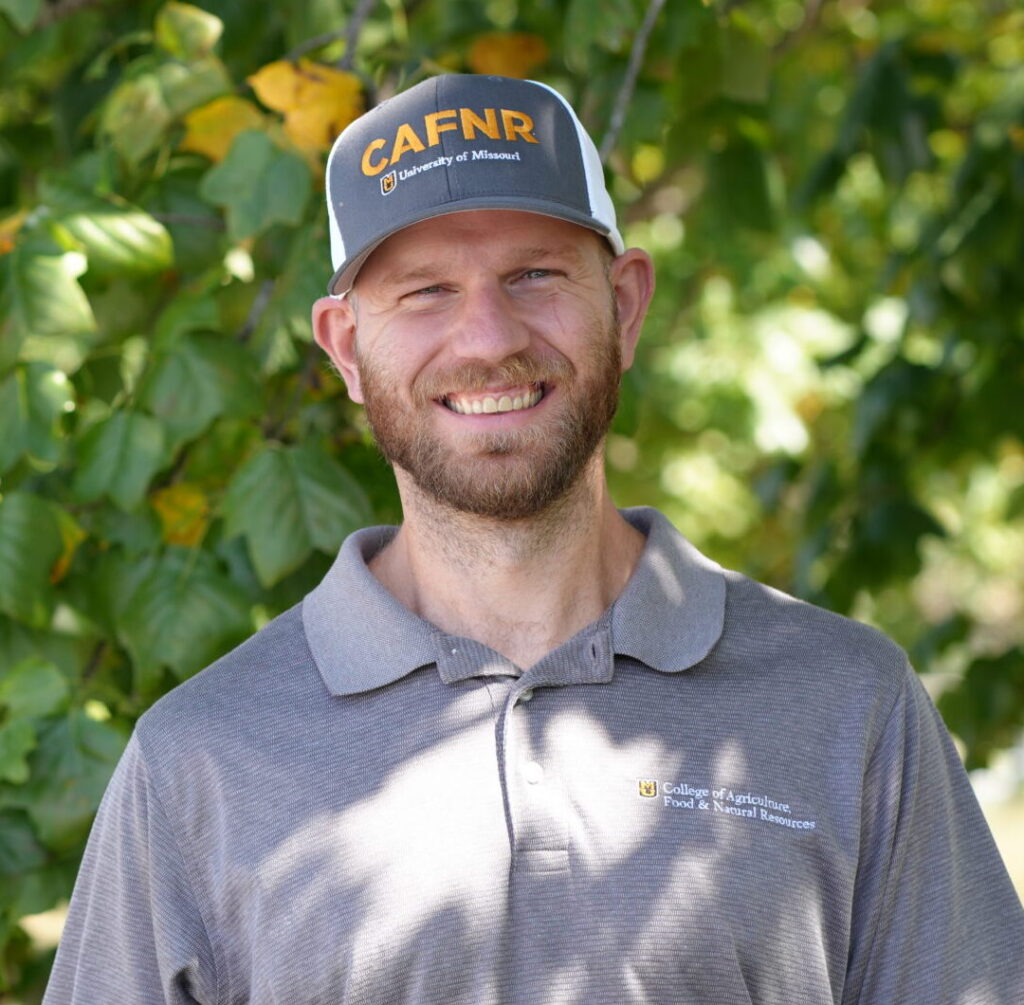
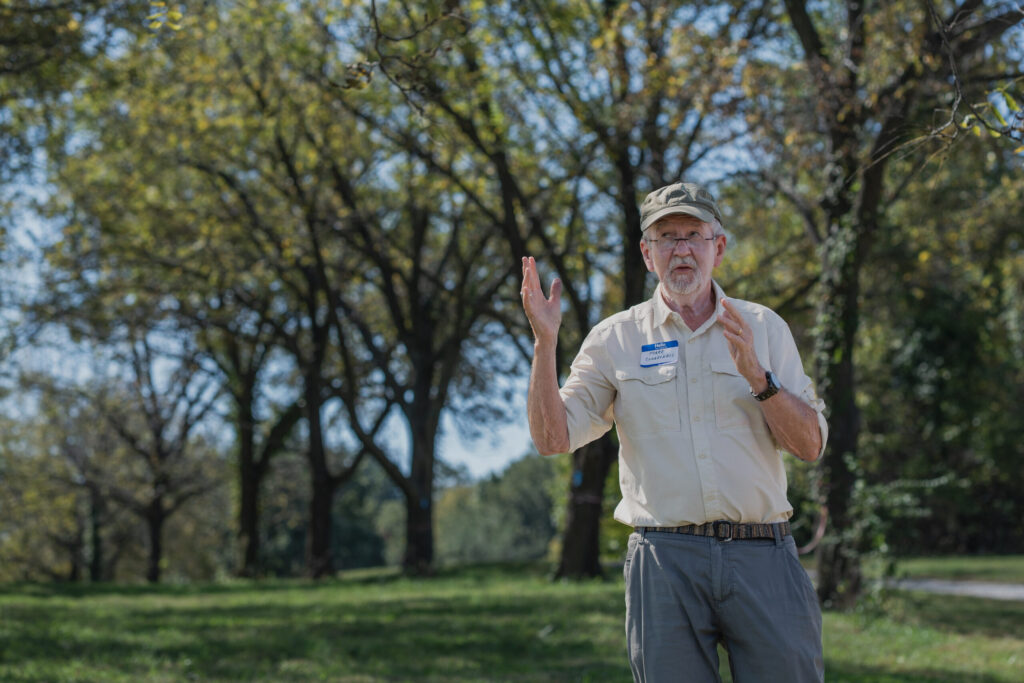
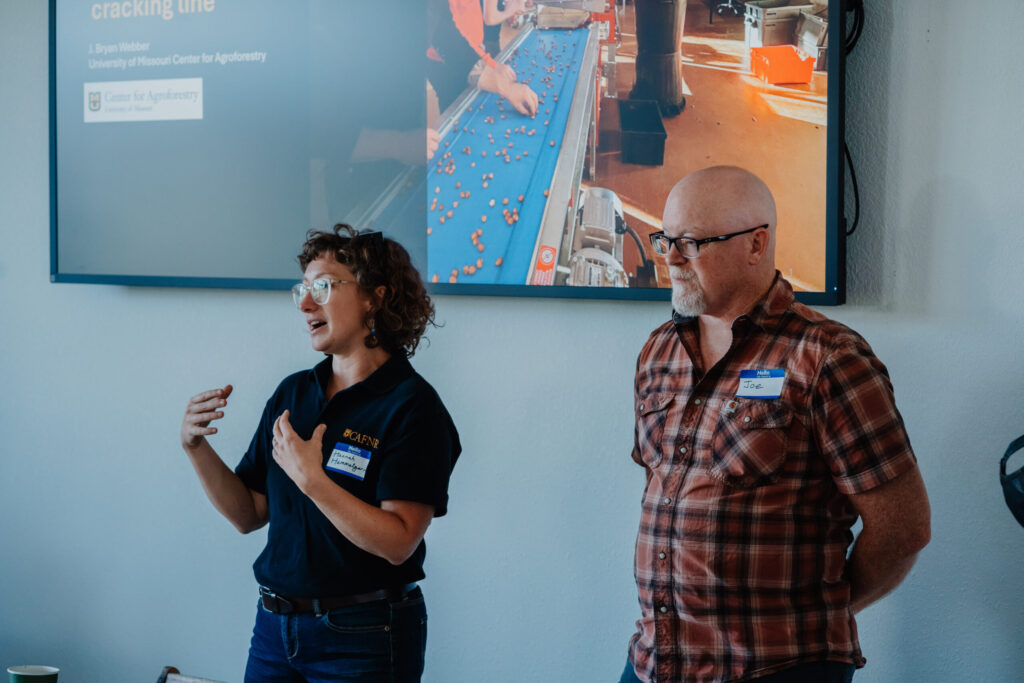
The morning began with presentations from Nick Meier, PhD, and Bryan Webber, MS, of the Center for Agroforestry, covering cultivar selection, orchard establishment, management and economics.
Through continued investments in plant breeding, horticultural research, processing innovation and grower education, the Center for Agroforestry is working to help black walnuts become an increasingly valuable component of Missouri’s agricultural landscape.
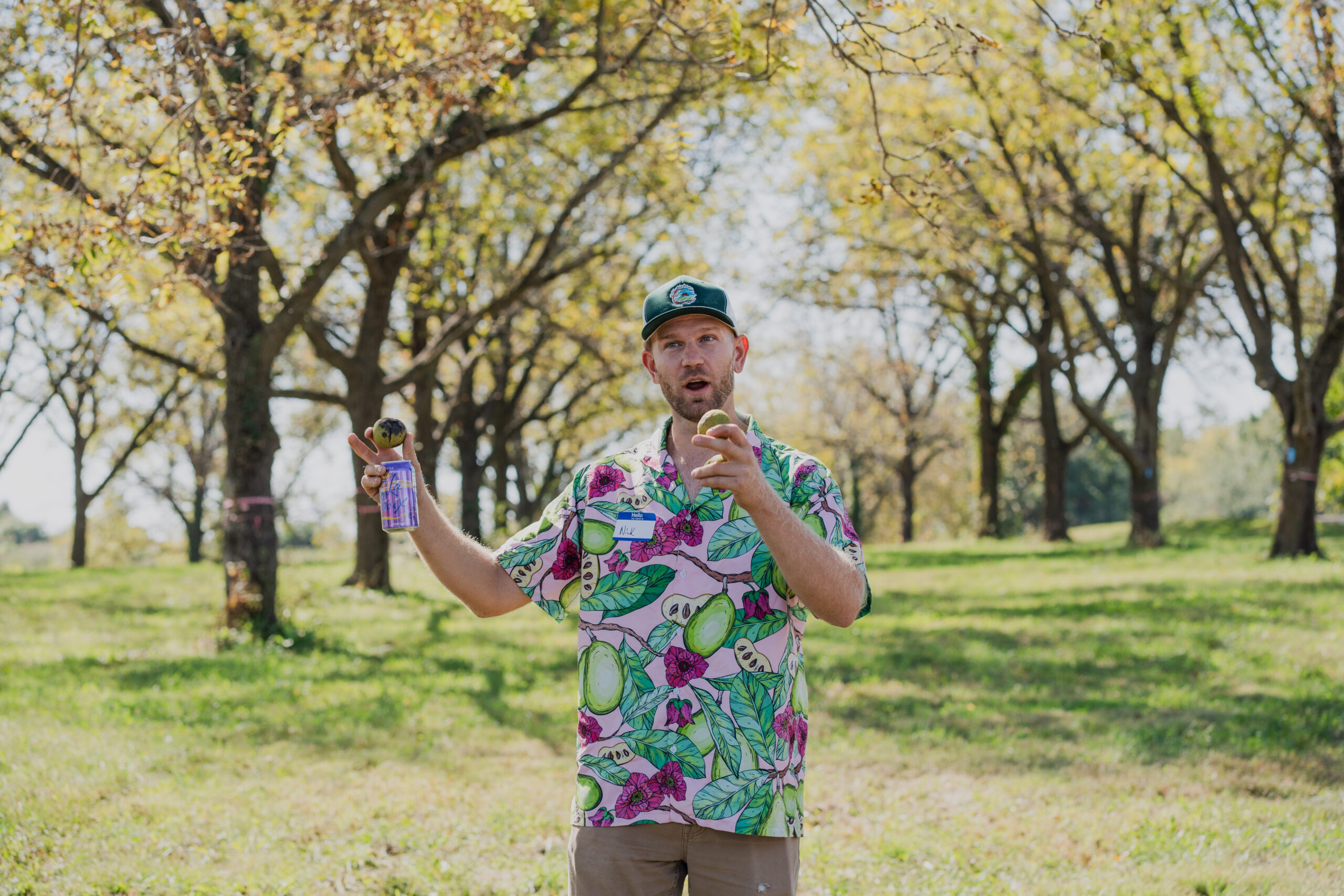
Meier shared updates from Mizzou’s black walnut breeding program, which is focused on developing improved varieties with greater potential for commercial nut production. Discussions highlighted the productivity of promising cultivars and opportunities for continued improvements through research and breeding.
Webber explored the multifunctional potential of black walnuts in agricultural landscapes, including opportunities to manage trees for both timber and nut production and incorporate them into alley cropping systems. He also discussed processing technologies, marketing considerations and opportunities to increase the value of black walnuts at the farm gate.
Together, the presentations highlighted how advances in breeding, orchard management and processing infrastructure could help expand commercial opportunities for this native Missouri crop.
Bringing Black Walnut Harvesting and Processing to Life
One of the day’s biggest highlights was a series of live equipment demonstrations that walked participants through the process of harvesting and preparing black walnuts for market.
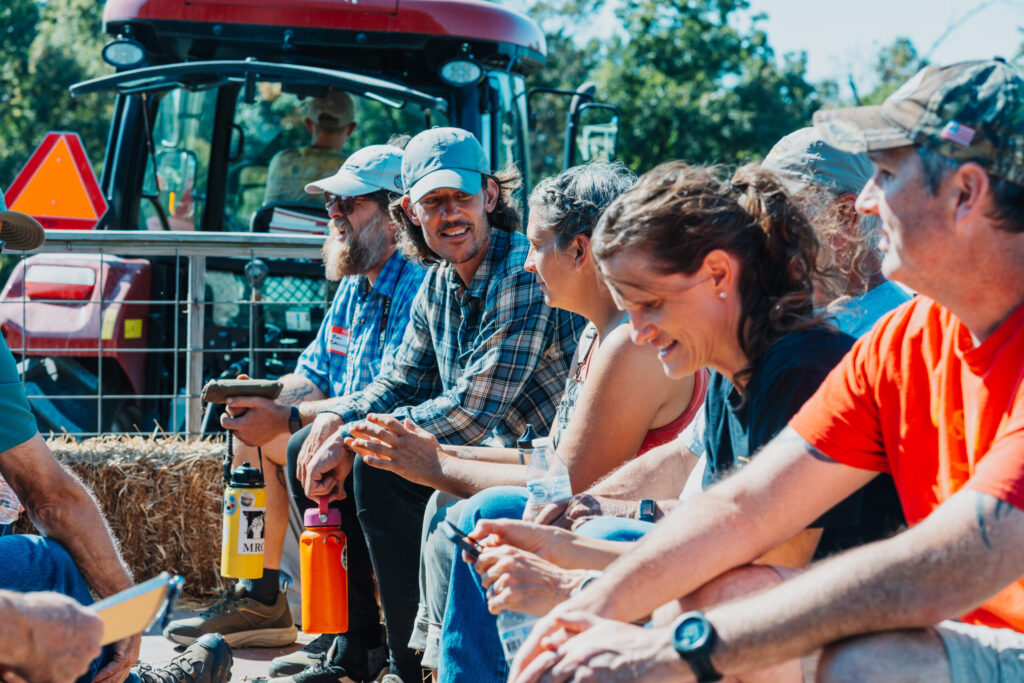
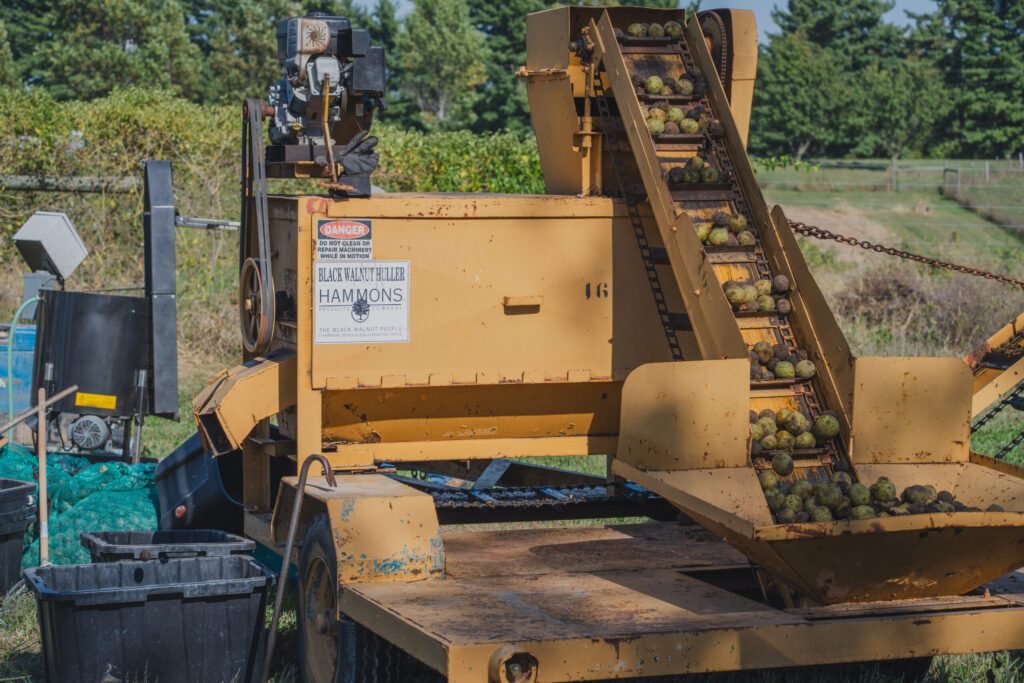
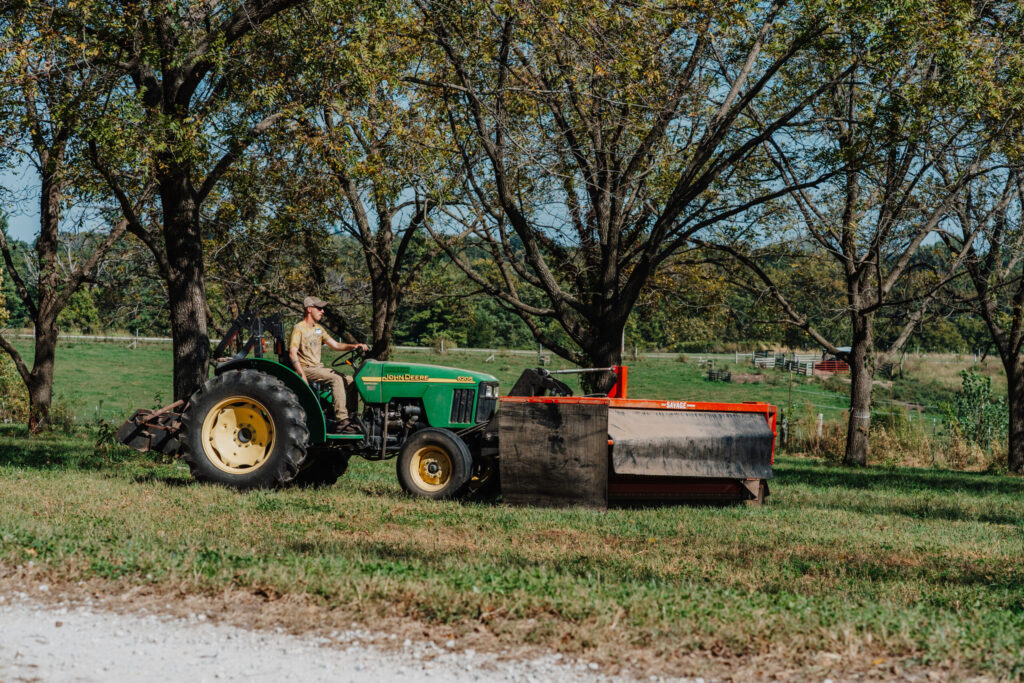
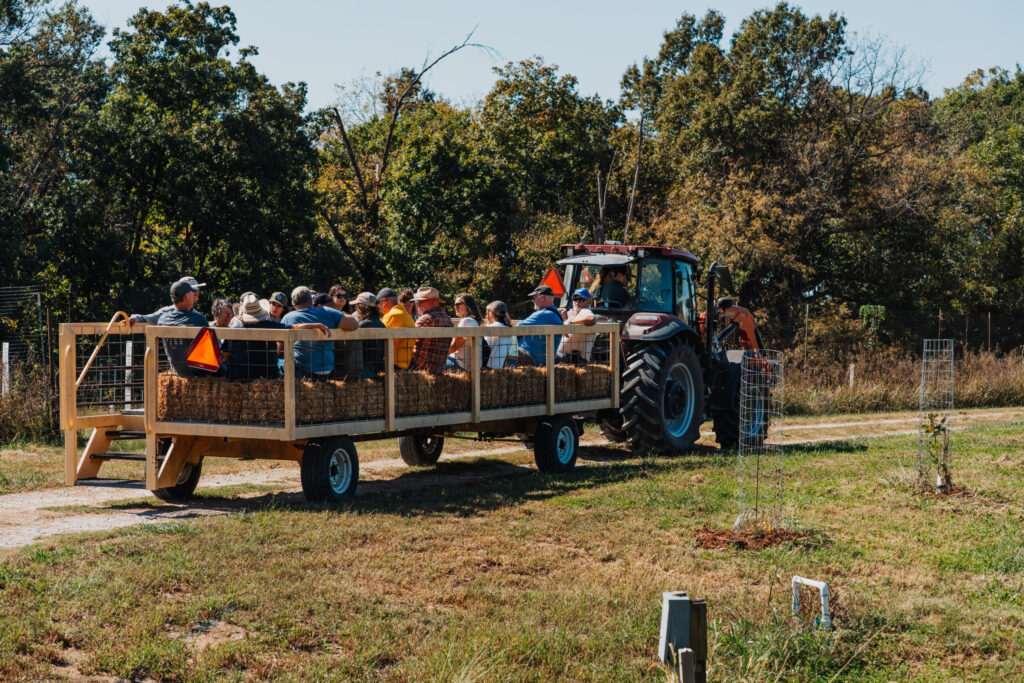
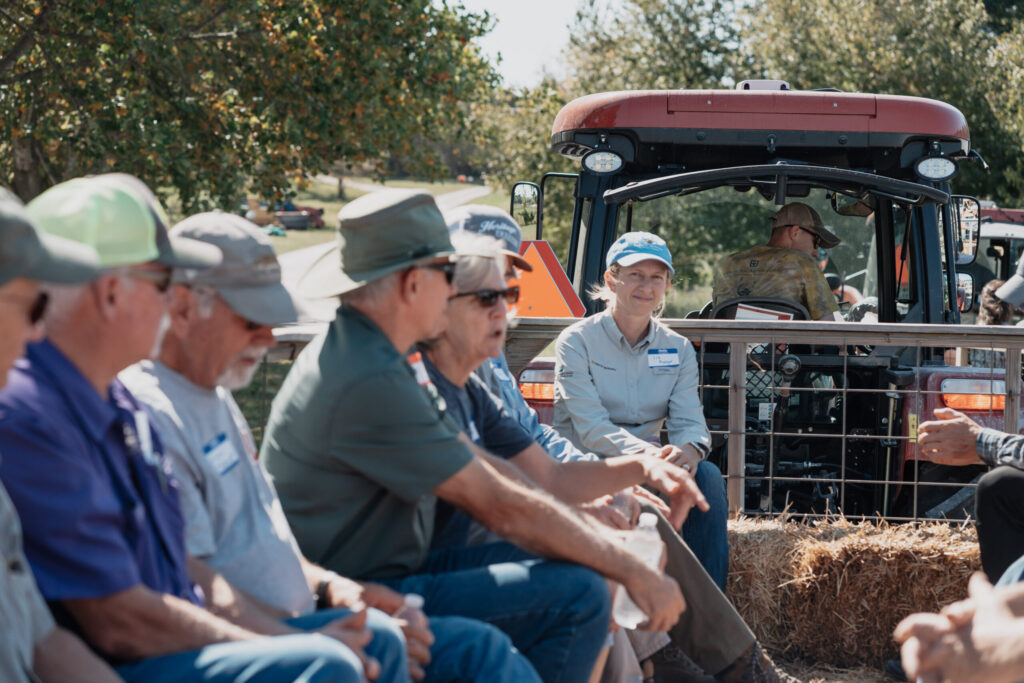
Following a hay wagon tour of the Center’s research orchards, attendees watched as the team demonstrated a mechanized harvesting system. The process began by shaking trees to release mature nuts, followed by a new orchard sweeper that gathered fallen walnuts into windrows. A repurposed pecan harvester then collected the nuts for processing.
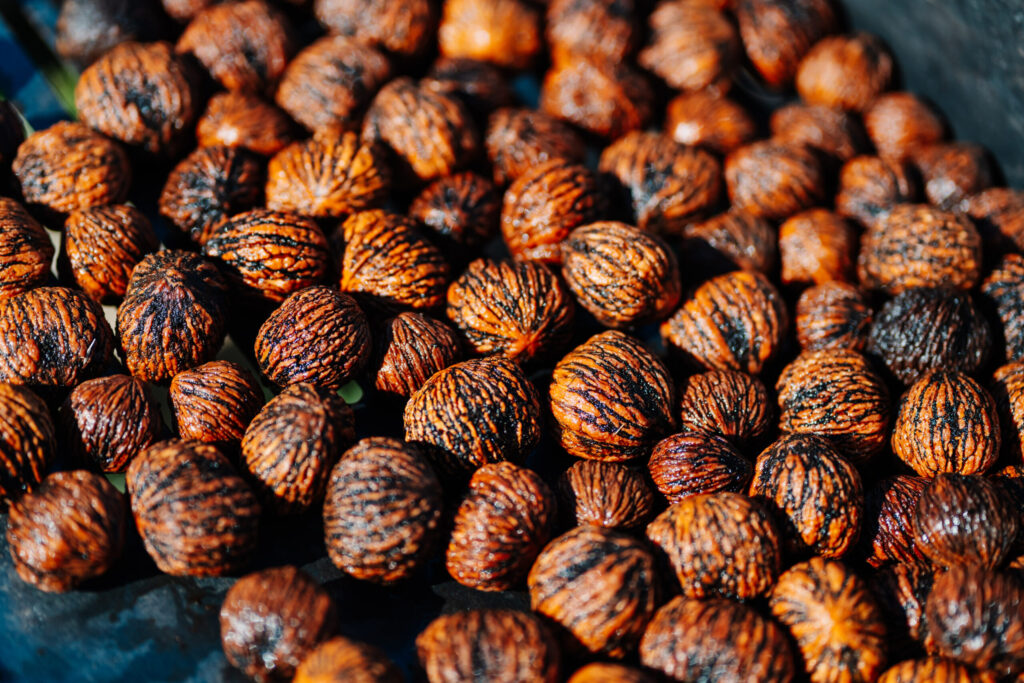
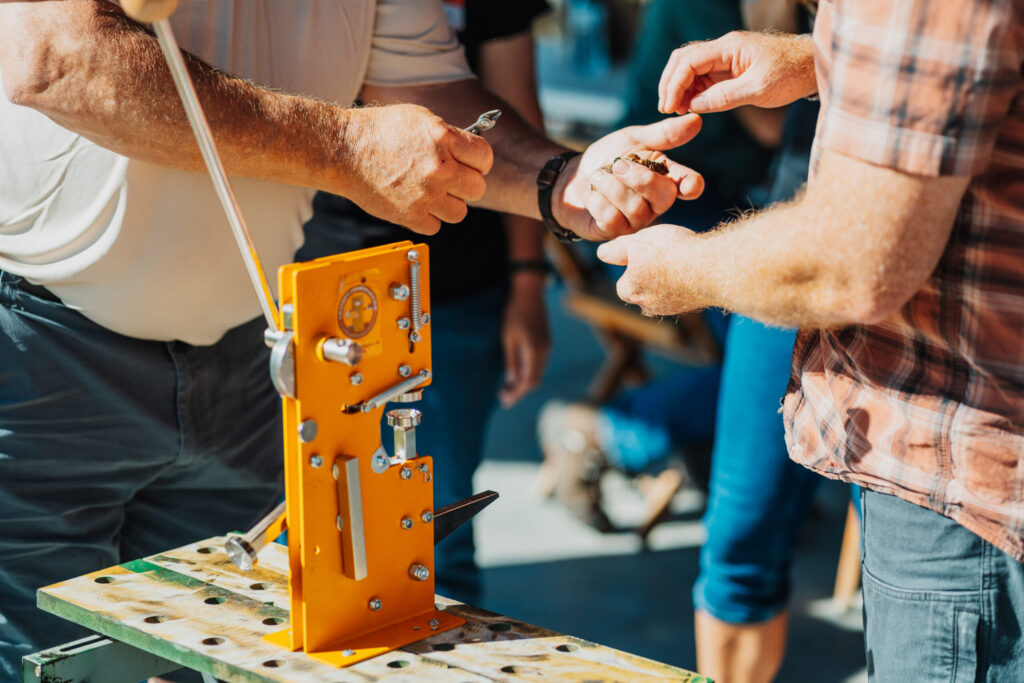
Participants also watched hulling equipment in action, including a newer Turkish huller designed to clean nuts and prepare them for sale. The demonstrations illustrated how equipment and production practices can be adapted to improve efficiency in commercial black walnut operations.
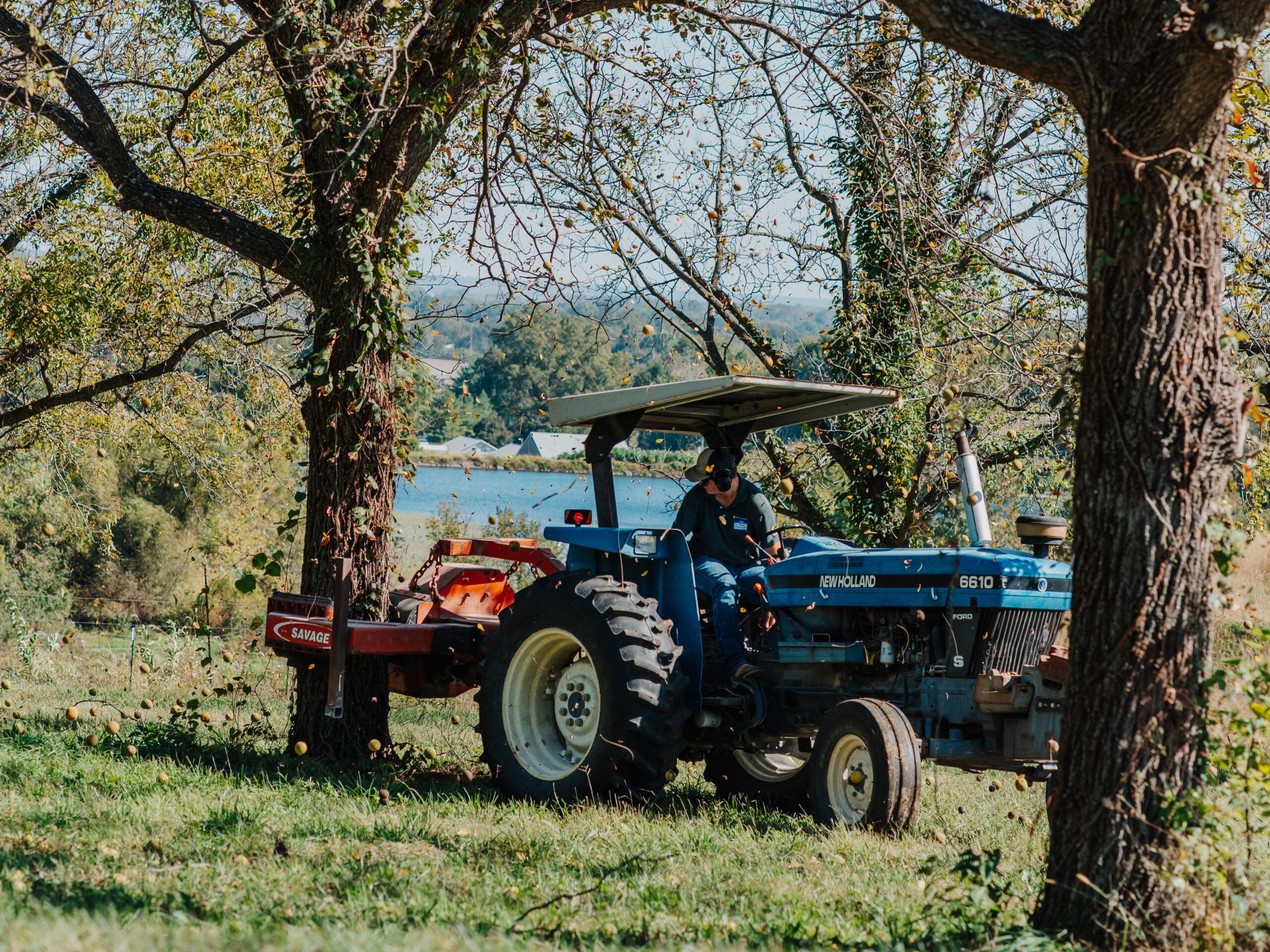
The opportunity to see machinery operating in real-world conditions was particularly valuable for growers considering investments in harvesting and processing equipment. Discussions addressed equipment costs, processing efficiency and the potential for improved black walnut cultivars to command premium prices.
The workshop also explored opportunities for expanded regional processing infrastructure that could complement established markets, including Hammons Products Company, while creating additional pathways for growers to capture value from improved black walnut varieties.
Learning Beyond the Orchard
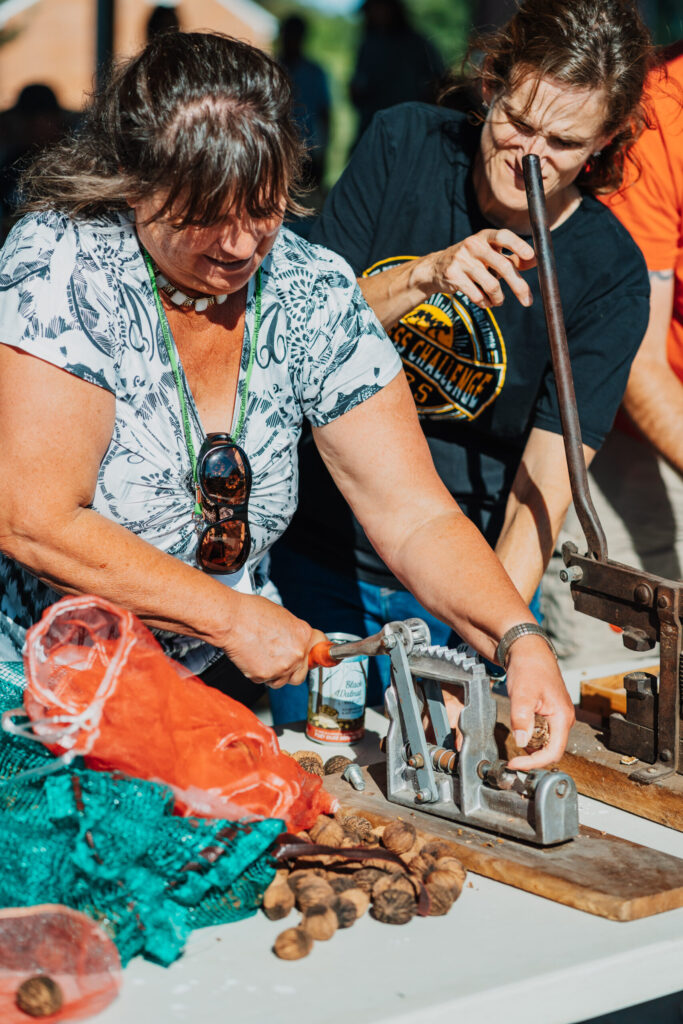
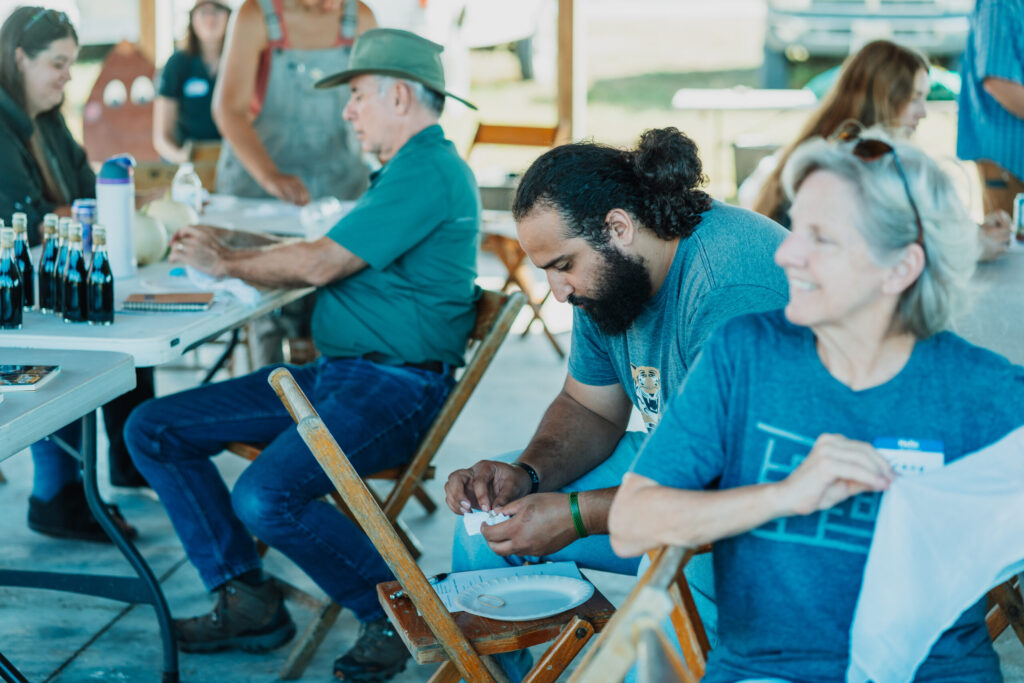
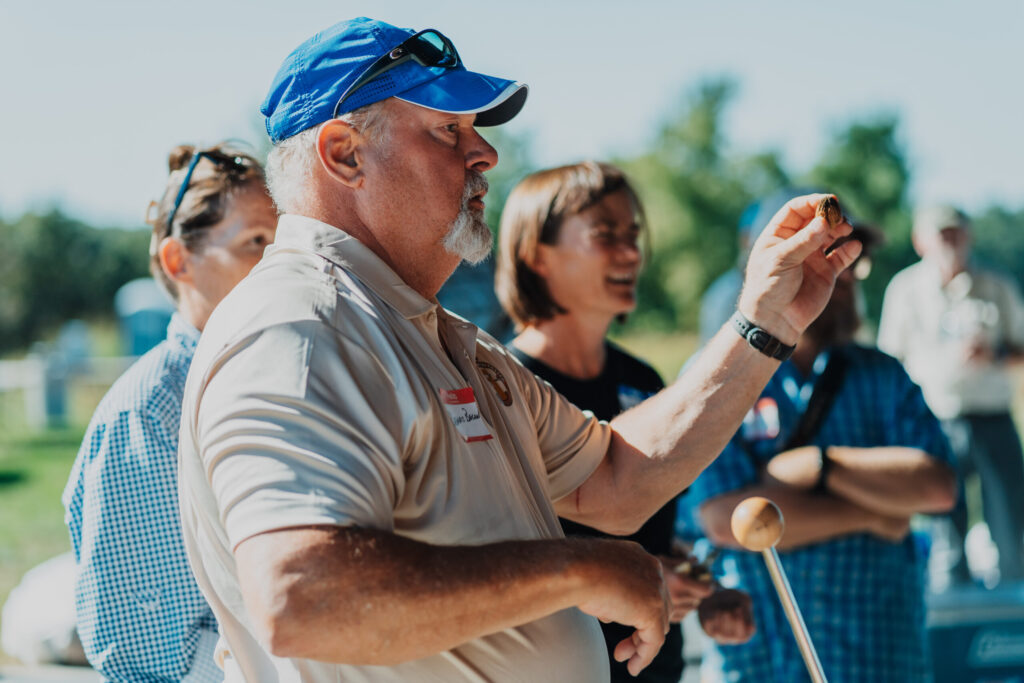
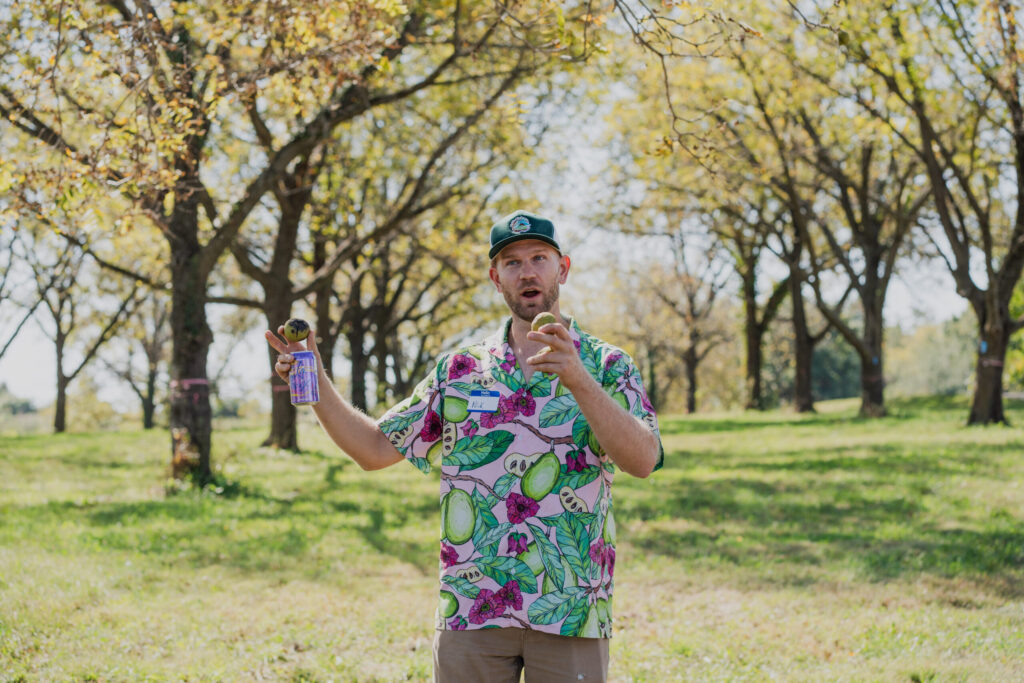
The afternoon continued with a shelling demonstration and side-by-side cultivar tastings, giving participants an opportunity to experience differences among black walnut selections firsthand.
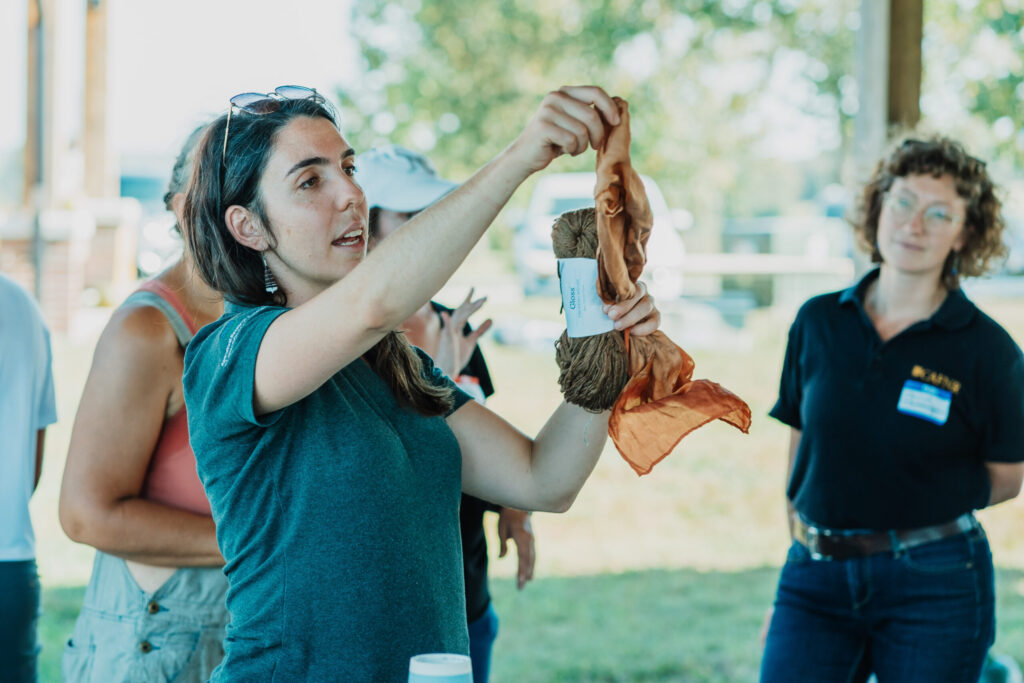
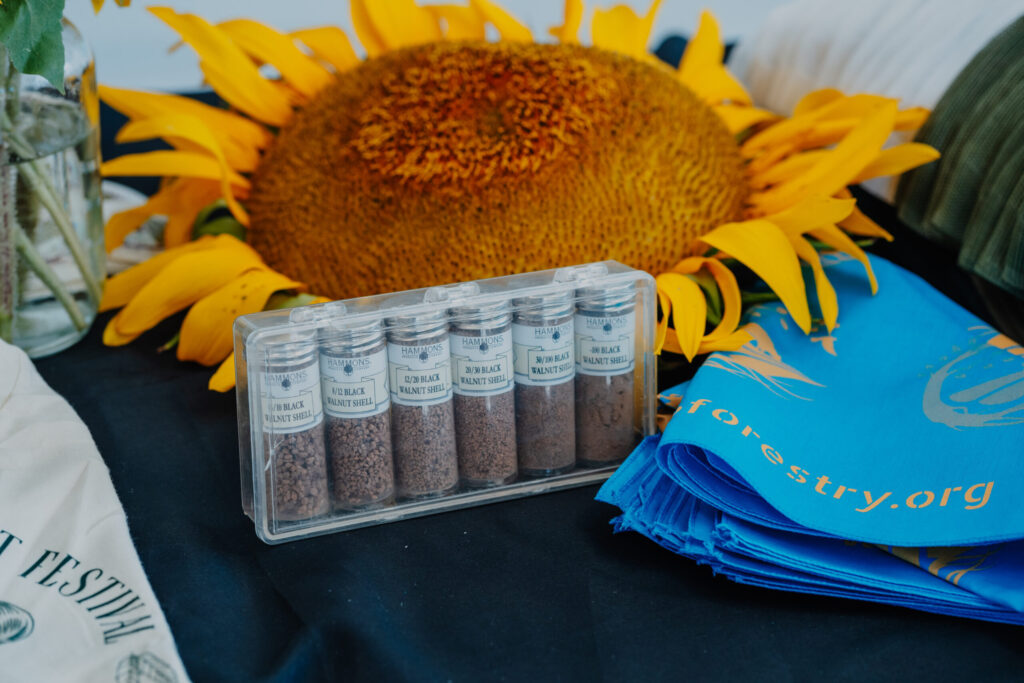
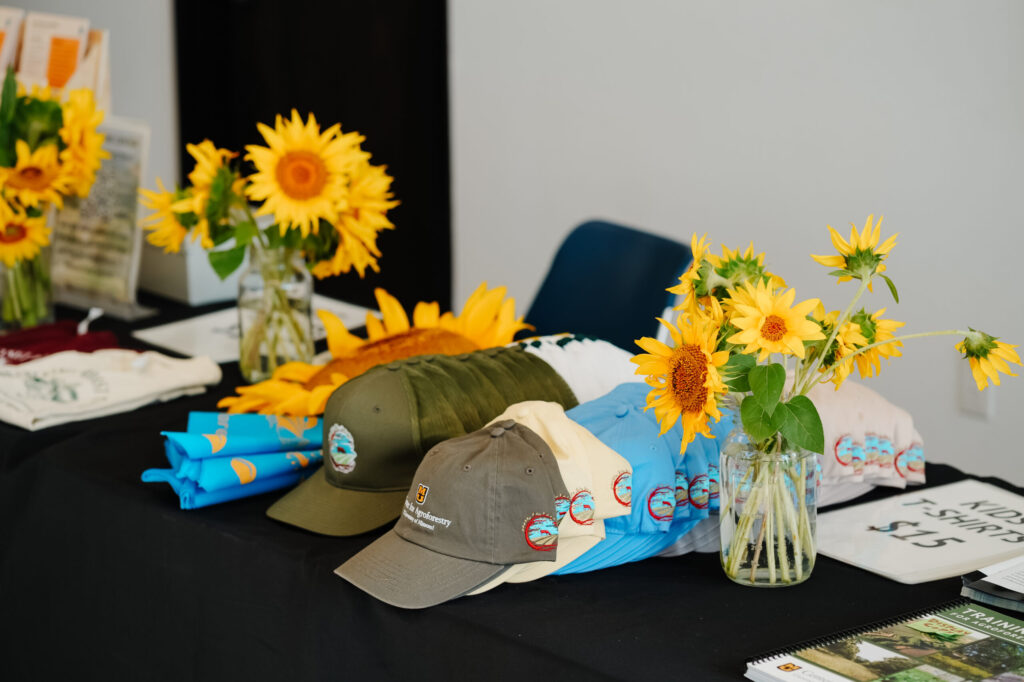
The event concluded with an optional natural dye workshop led by Gina Beebe, MS, and Matthew Ashby. Participants learned about the natural dyeing properties of black walnuts and created their own dyed bandanas, highlighting yet another use for this versatile native tree.


Connecting Research to Impact
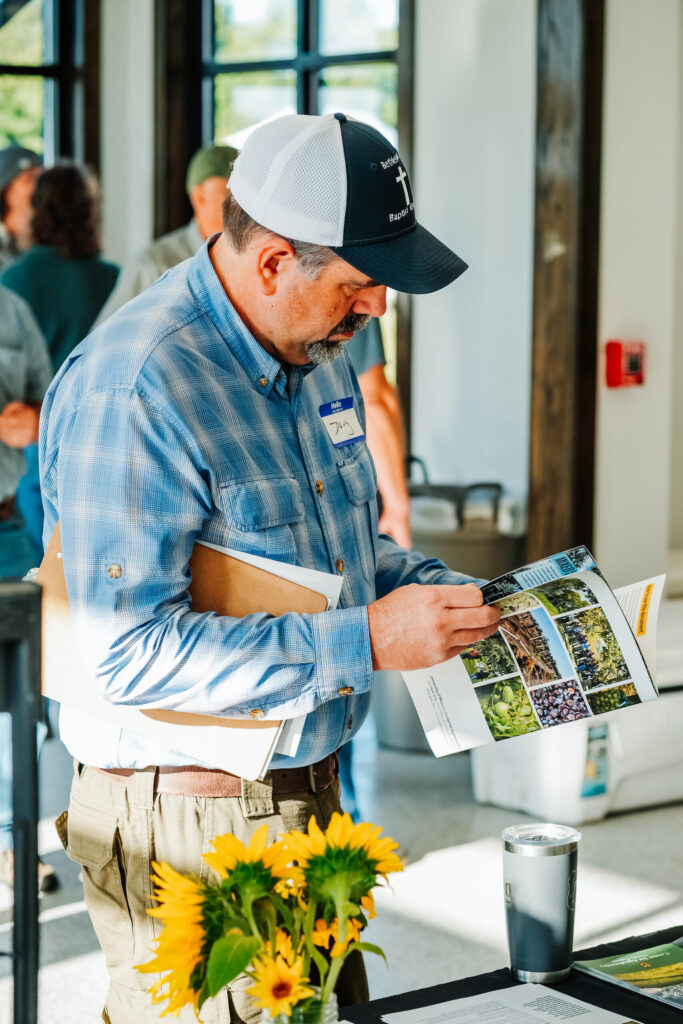
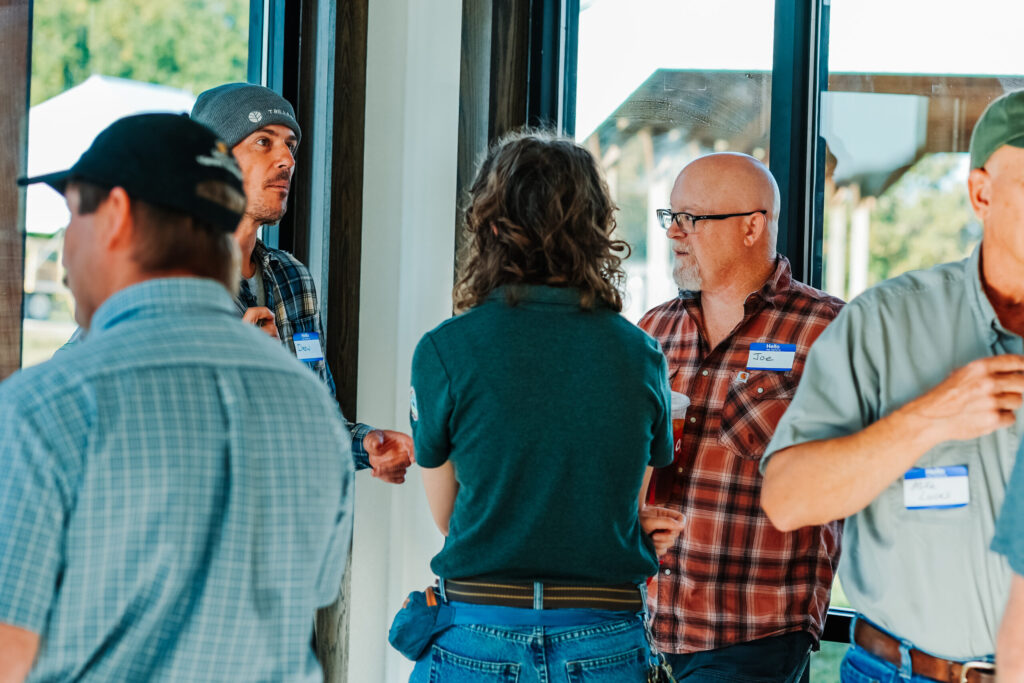
Participant feedback emphasized the value of combining scientific presentations with field demonstrations and hands-on activities. The wide-ranging program helped connect important considerations across the entire production process, from selecting and planting improved cultivars to harvesting, processing and identifying market opportunities.
Beyond the 34 participants who attended, registration data indicated that more than 1,000 acres of working land could be influenced by knowledge and connections gained through the workshop, reflecting the potential reach of the Center’s educational programming.
As interest in commercial black walnut production grows, events like this workshop play an important role in connecting farmers with the research, practical knowledge and emerging technologies needed to establish productive orchards and strengthen regional markets.
Through continued investments in plant breeding, horticultural research, processing innovation and grower education, the Center for Agroforestry is working to help black walnuts become an increasingly valuable component of Missouri’s agricultural landscape.
Black walnut breeding program
Meet Dr. Nick Meier, black walnut faculty lead!
Dr. Meier leads our black walnut and pecan breeding activities. You can read more about his work in his faculty Q&A.
Interested in growing black walnut or already have an established orchard? Contact Dr. Meier at namvf@missouri.edu.