Participatory producer-led initiatives drive Kendra Esparza-Harris’ silvopasture research
Over the past year, Kendra Esparza-Harris, a doctoral candidate with the Center for Agroforestry, hosted a series of producer-focused workshops to encourage information exchange among researchers and producers. The workshops were funded by a USDA Sustainable Agriculture Research and Education (SARE) Graduate Student Grant (GNC22-347), and were informed by input form a Missouri producer advisory group created to counsel a field study designed to transition wooded paddocks to woodland silvopasture for integration into rotational grazing systems. In exchange, producers participated in focused workshops on different aspects of establishing and managing a woodland silvopasture.
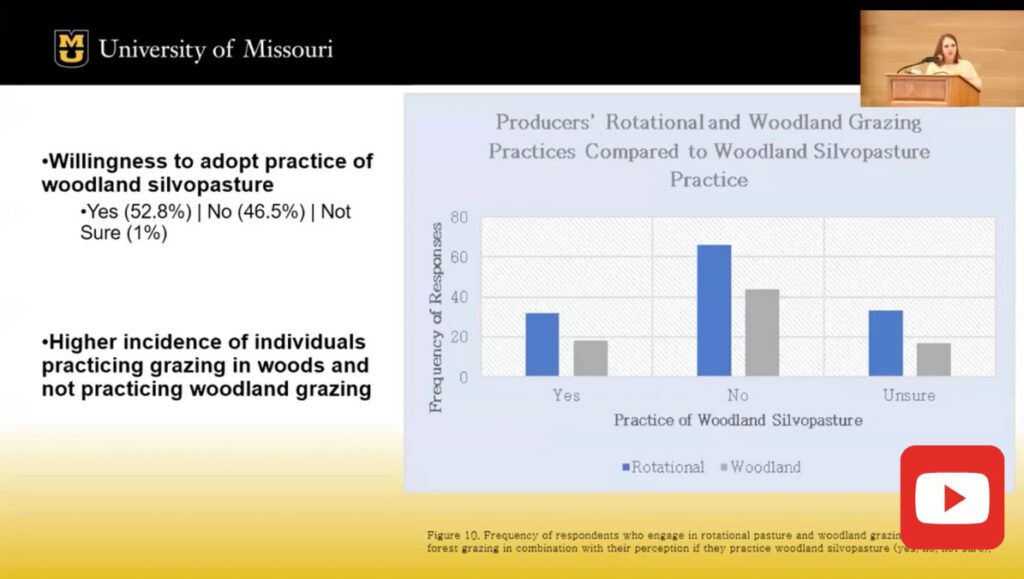
“Current interest in the adoption of silvopasture, especially by thinning forested areas to facilitate the growth of forage for livestock grazing, is constrained by lack of knowledge of best practices for establishing and managing a woodland silvopasture system,” said Esparza-Harris. “Thus, this project aimed to produce relevant research by incorporating producer feedback and to build capacity for silvopasture application through technical transfer to producers.”
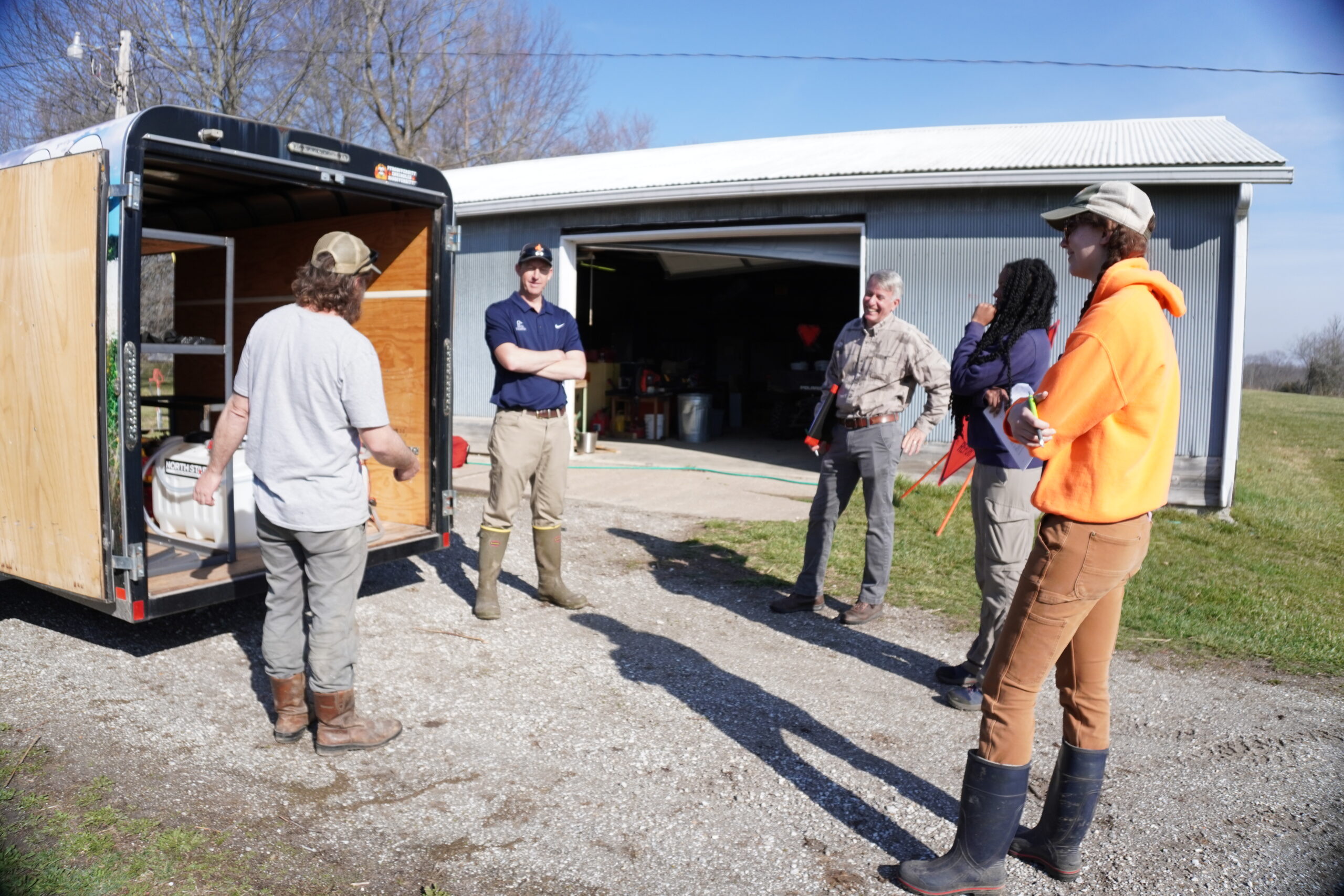
Between August 2023 and June 2024, three workshops were designed around key management considerations in woodland silvopasture, including woodland management, prescribed burning, and forage establishment. To coordinate, Esparza-Harris collaborated with university personnel, non-profit organizations, and local companies to organize farm tours and hands-on workshops within each management focus.
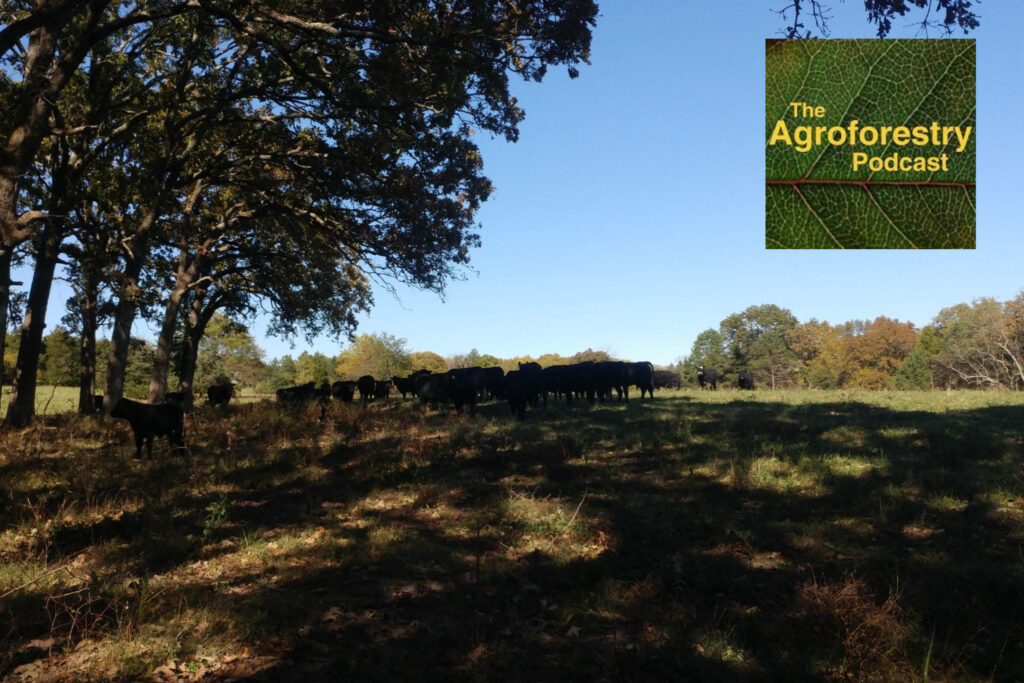
The initial workshop included a farm tour of the Thompson Beef Farm by Senior Farm Manager Stoney Coffman and a woodland management workshop presented by Benjamin Knapp, PhD, associate professor in forestry and interim director of the Center. Dr. Knapp addressed concepts of forest management and demonstrated tools and techniques for determining forest density and principles of forest thinning.
A second workshop was led by Ryan Lueckenhoff, Ducks Unlimited biologist and burn boss with the Mid-Missouri Prescribed Burn Association, at Mizzou’s Baskett Forest. Ryan discussed logistics in planning a burn, including creating a burn plan, showing participants equipment commonly used for burning, and reviewing site preparation and ignition techniques.
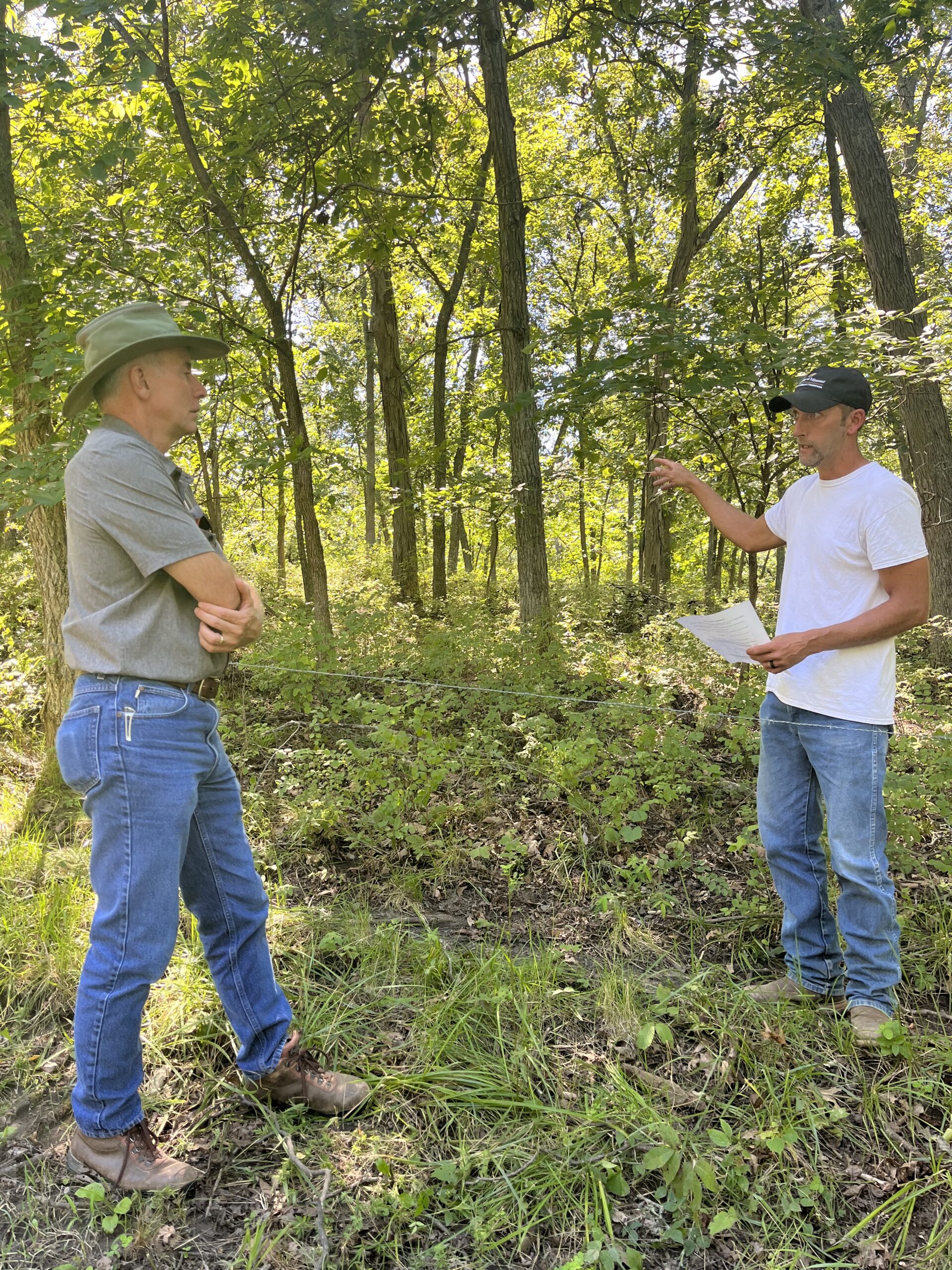
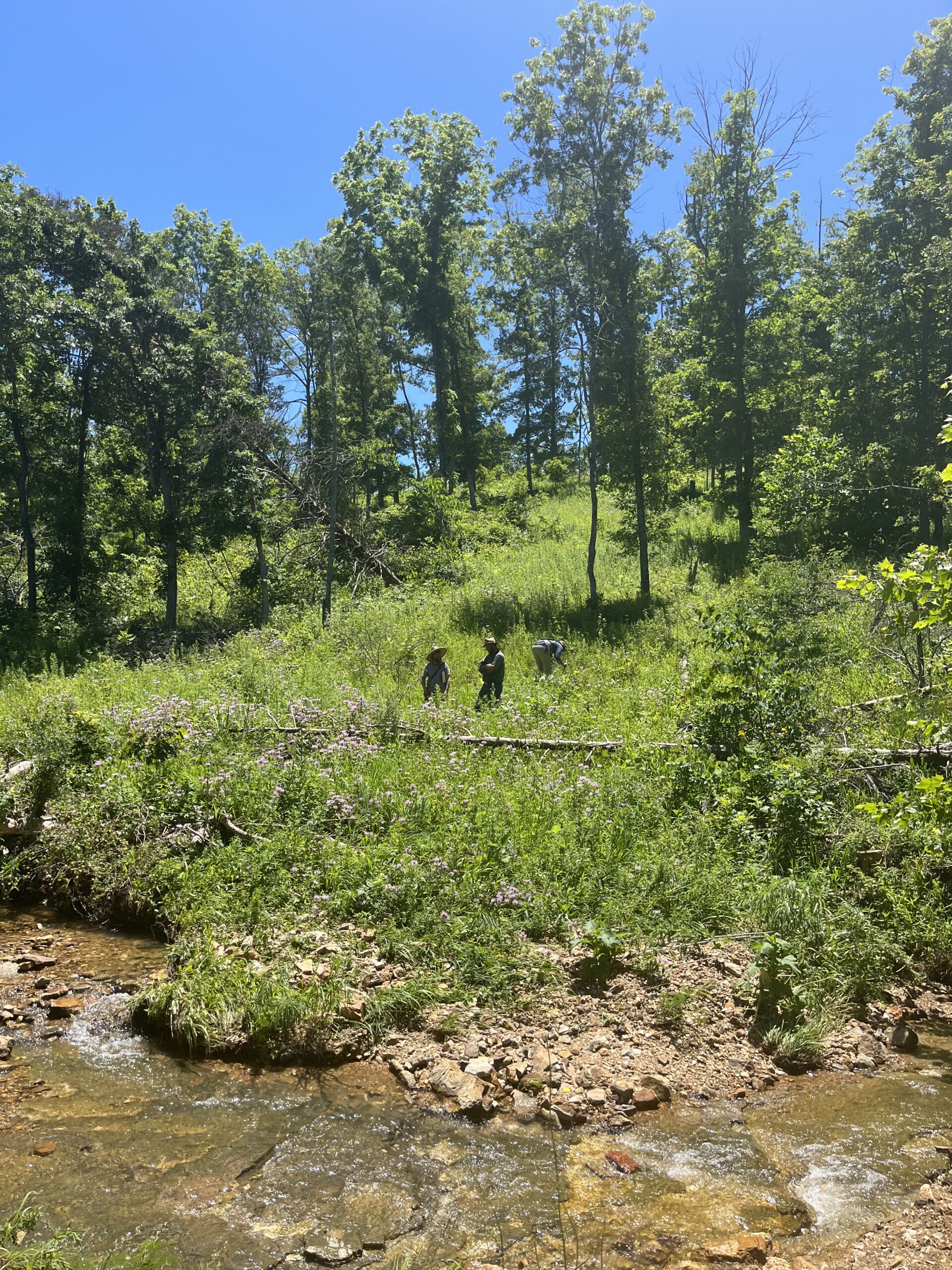
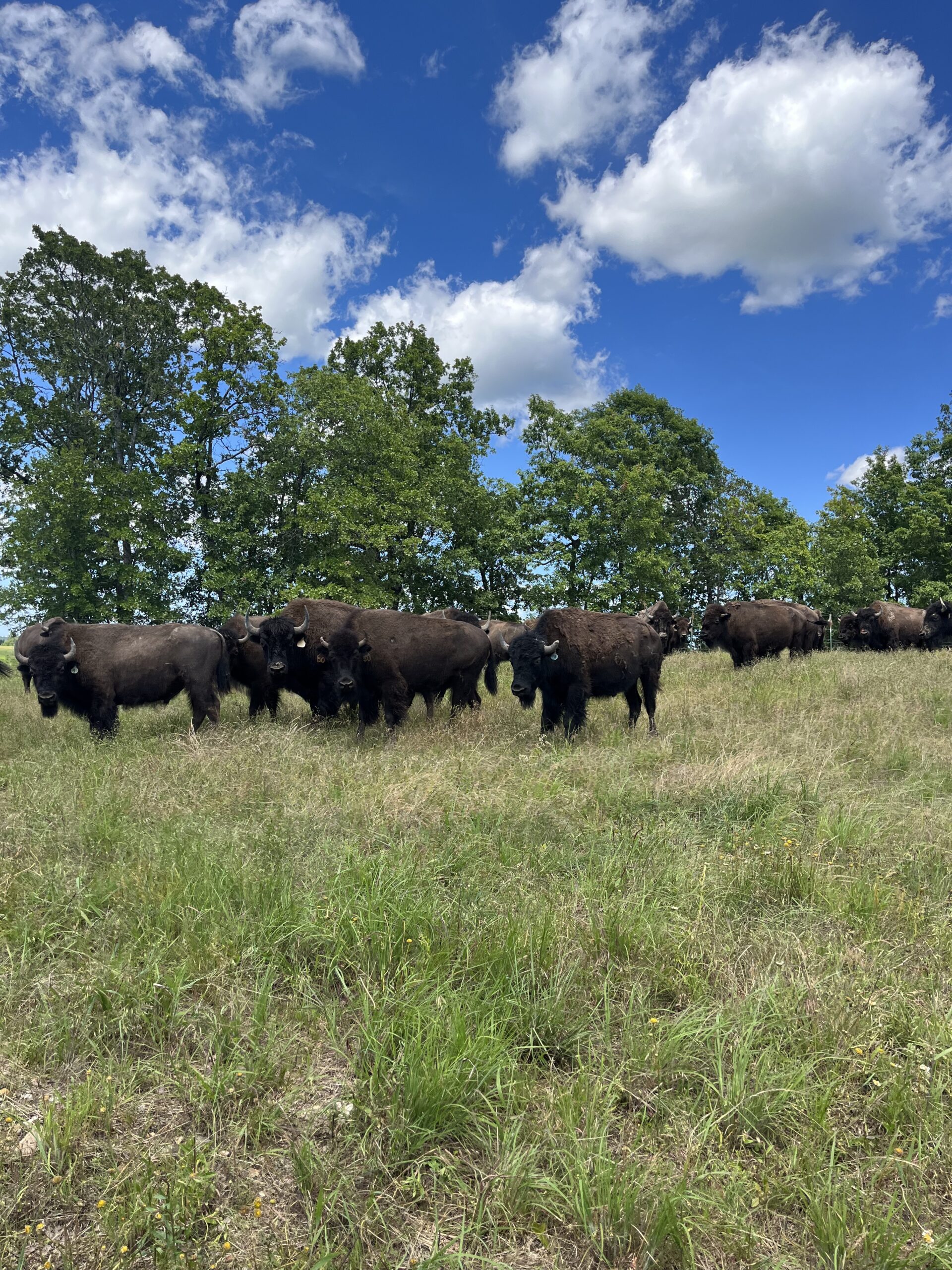
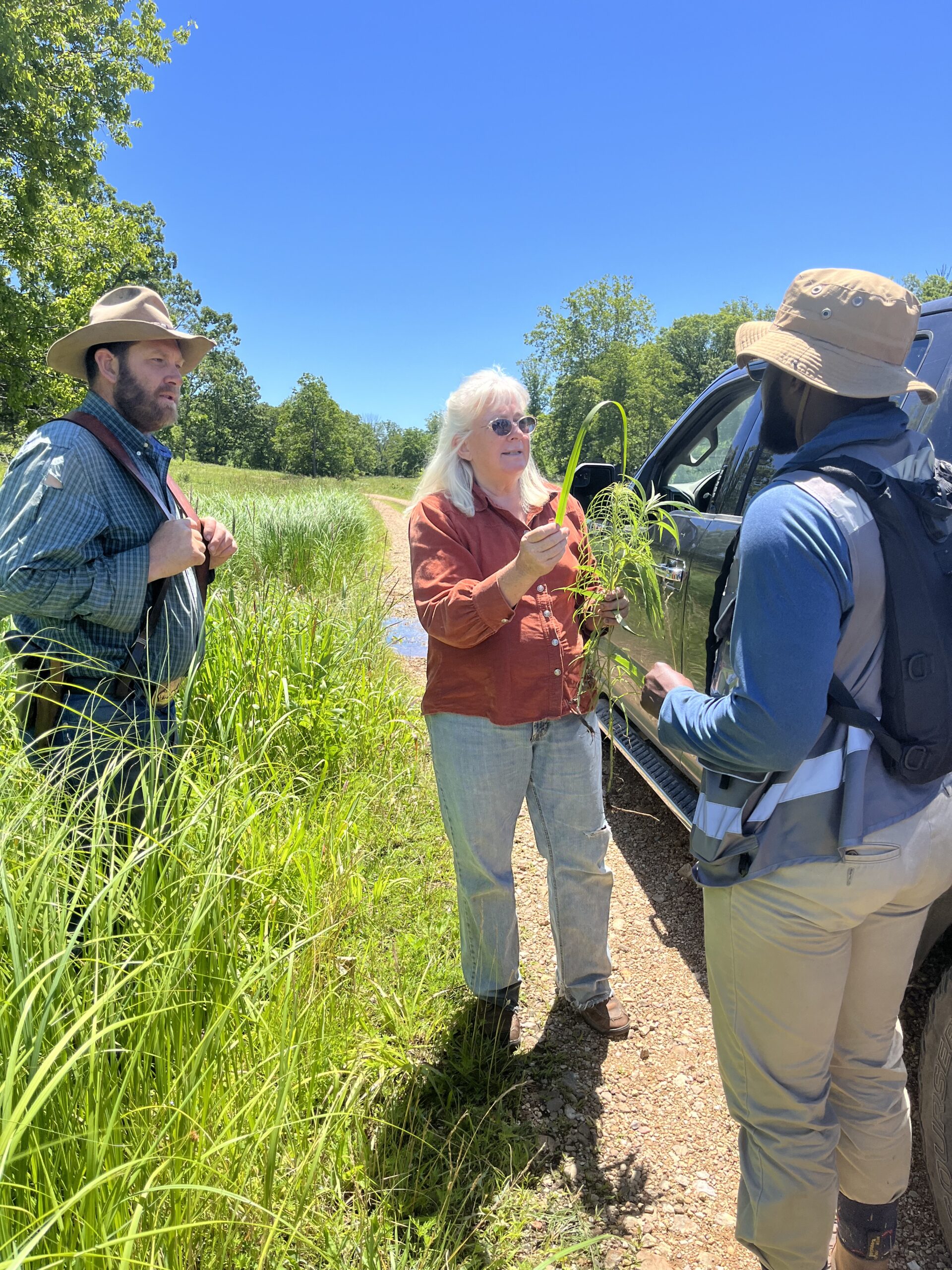
The final workshop was held with Amy Hamilton, co-founder of Hamilton Native Outpost, in Elk Creek, Missouri. Amy and her son Colt, Hamilton’s CEO for seed production & personnel, discussed their successes and failures related to prairie, savanna, and woodland restoration, conversion to native grasses with cattle and buffalo grazing, and their techniques of establishing and producing native seeds as a commodity.
Through these workshops, producers were provided a platform to expand their knowledge of woodland silvopasture management practices to optimize production and improve natural resource management. Producers gained the opportunity to build networks to support current or future implementation of woodland silvopasture within their operations.
“This project is an example of collaboration between researchers and practitioners towards participatory producer-led research and extension initiatives,” said Esparza-Harris. “Input from producer groups can highlight important practical aspects of woodland silvopasture for future research and catalyze sustainable landscape transformation and management within Missouri.”
Esparza-Harris hopes more graduate students and researchers will use this model to increase the capacity for supporting producers with demonstrations and educational opportunities, as well as peer-to-peer learning, and further technical training.

Photos of the group’s visit to Hamilton Native Outpost in Elk Creek, MO.
References
Smith, M. M., Bentrup, G., Kellerman, T., MacFarland, K., Straight, R., Ameyaw, L., & Stein, S. (2022). Silvopasture in the USA: A systematic review of natural resource professional and producer-reported benefits, challenges, and management activities. Agriculture, Ecosystems and Environment, 326, 107818.
Wilkens, P., Munsell, J. F., Fike, J. H., Pent, G. J., Frey, G. E., Addlestone, B. J., & Downing, A. K. (2021). Thinning forests or planting fields? Producer preferences for establishing silvopasture. Agroforestry Systems, 1-12.
About Kendra Esparza-Harris
Kendra joined the Center for Agroforestry as a NIFA fellow, and is co-advised by Dr. Ashley Conway and Dr. Benjamin Knapp. As a graduate student, she focuses on the domestic and international application of silvopasture. Her research focus stems from her role as an agroforestry extension specialist in Senegal, West Africa, with the Peace Corps, and her interests and experiences in human-wildlife interactions. Prior to the University of Missouri, she received a B.S. in Large Animal Production from North Carolina Agricultural and Technical State University, and an M.S. in Applied Reproductive Physiology from the University of Illinois Urbana-Champaign.