Graduate Student Spotlight: Kendra Esparza-Harris
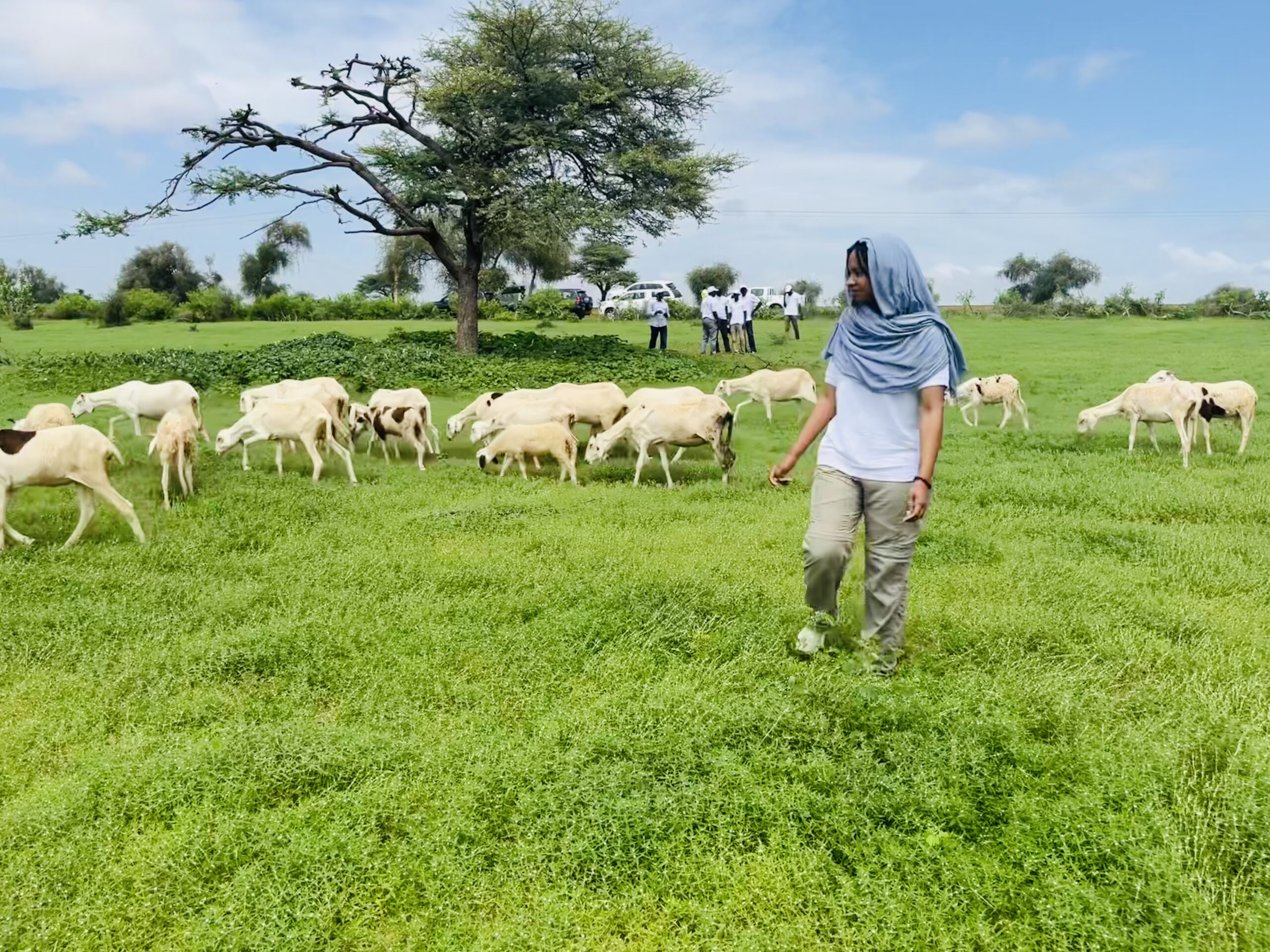
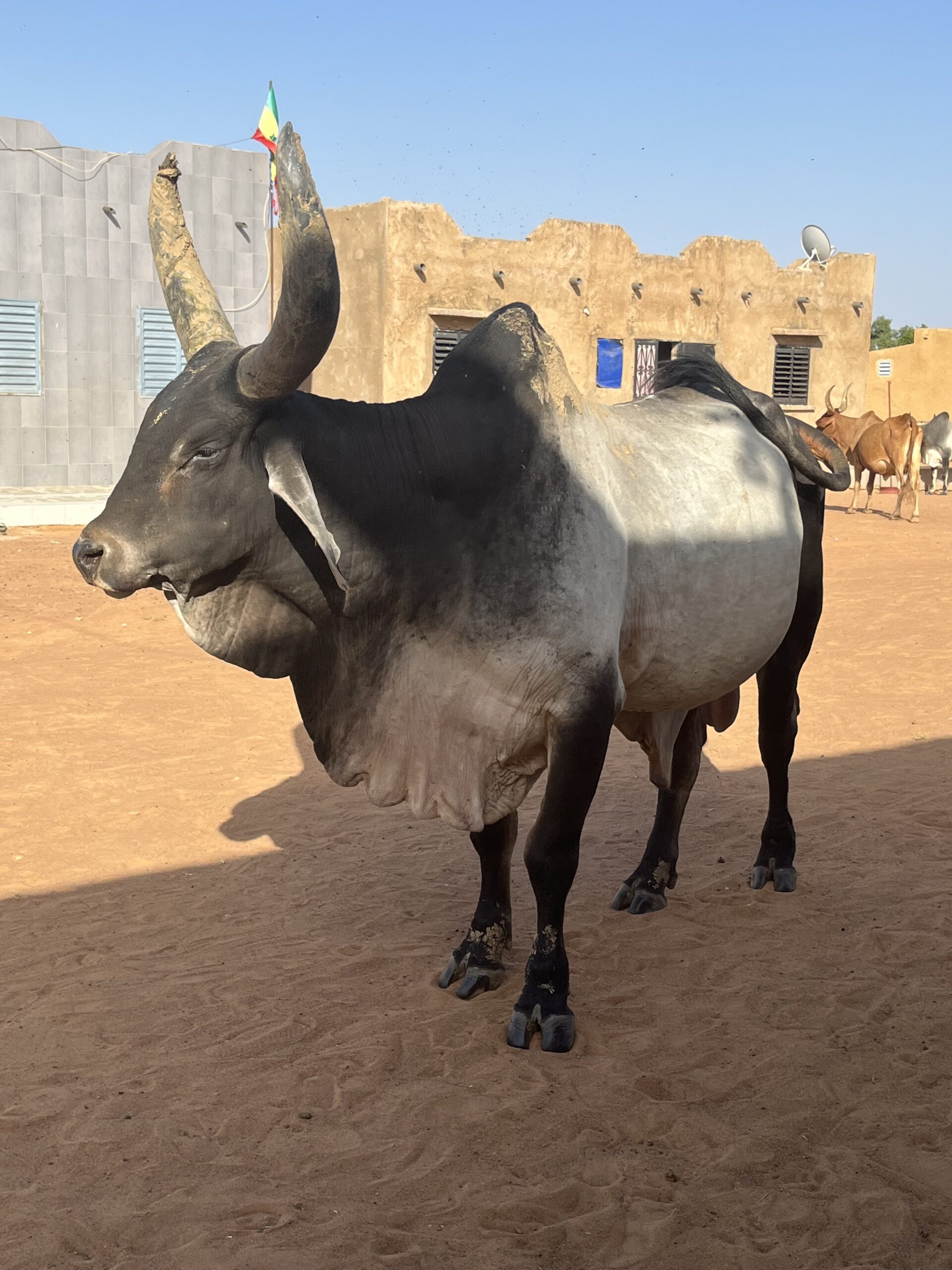
Center for Agroforestry doctoral student Kendra Esparza-Harris is visiting with herders, milkers, butchers, sellers, and artisans in Senegal to explore the ways adaptive strategies such as silvopasture can be used as a sustainable, community-oriented land use management strategy in regions experiencing land-based conflict.
Her travels are part of a six-month research project throughout four ecological regions of Senegal, where she will conduct interviews and field visits to better understand how communities have adapted to stressors within “the commons,” and the ways in which various livestock integration strategies may impact communal resource management.
“A significant rise in development has resulted in stressors to include urbanization, privatization of resources, and intensive agriculture, which continues to result in a reduction of common land resources available for agriculture and livestock production,” said Esparza-Harris. “The development of countries has been a priority to increase economic growth, however, unsustainable development inadvertently has a negative impact on traditional and sustainable agriculture systems, such as is the case in Senegal.”
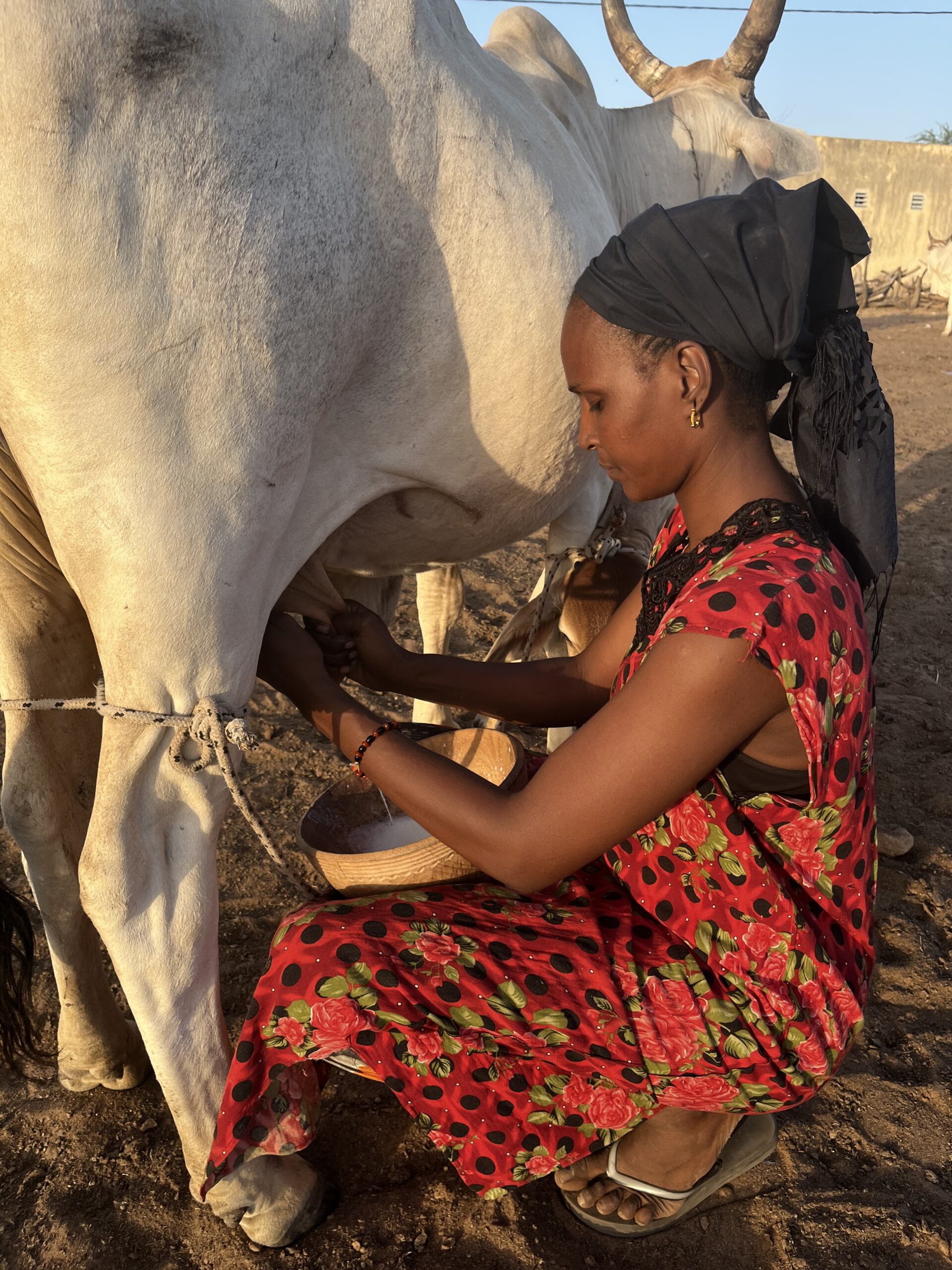
Esparza-Harris arrived in Senegal in July to begin in-country Wolof language proficiency training while continuing project design with her co-advisor, Gora Beye. Her travels started in in the northern region of the country, where she discovered a deep connection between Pulaars, the ethnic group traditionally known for herding, and the livestock they tend. One Pulaar female milker articulated the connection between her community and their livestock as “a dependency on one another for survival.”
“Pulaars guide their animals to food and water while the animals provide the Pulaars with food and economic security,” said Esparza-Harris.
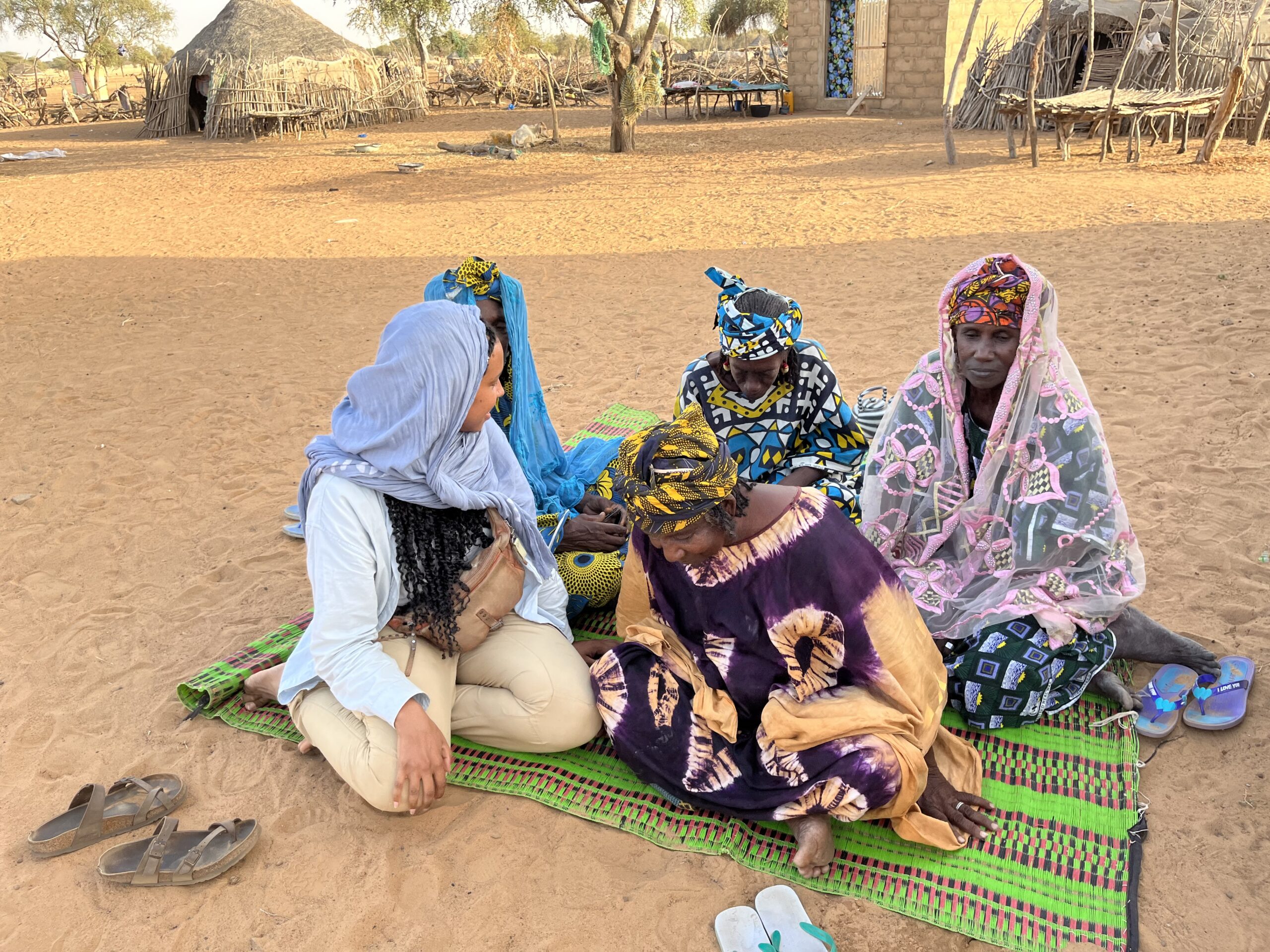
Esparza-Harris her local team, Lamine Savané and Dinguere Ba, visited six villages in the central area of Ndioum to conduct additional interviews and focus groups.
“We discussed changes in livestock production such as the loss of trees traditionally used for production of bowls for milk collection and leads for animals,” said Esparza-Harris. “We also focused on the challenges in livestock production such as available forage, increase in diseases among herds, and access to water resources.”
Next, they will head to the Peanut Basin region, an area with increased agriculture but traditionally managed by farmers and traveling herders, where they aim to further their investigation on adaptive strategies for herder-farmer conflict.
Prior to her graduate studies, Esparza-Harris served as an agroforestry Extension specialist in Senegal through the PeaceCorps. Her current project is funded through the David L. Boren National Security Fellowship, and the College of Agriculture, Food and Natural Resources International Program (CAFNR) Dorris D. and Christine M. Brown Fellowship at the University of Missouri – Columbia. She joined UMCA as NIFA Fellow under Ashley Conway, PhD, in 2020.