The Center for Agroforestry is partnering with Oregon-based, Native-led nonprofit Elderberry Wisdom Farm to determine the bioactive compounds found in blue elderberry (Sambucus nigra ssp cerulea). Rose High Bear, Deg Hit’an Dine/Inupiat, established the farm as a nonprofit organization in 2019 to provide a culturally-tailored learning model for mentoring Native Americans of all ages who are pursuing agricultural and horticultural careers. Located in Marion County, Oregon, the two-acre farm trains Native Americans and other interns of color in habitat restoration, native plant nursery development as well as organic farming. EWF has a small blue elderberry patch plus a two-acre native plant nursery that serves as the backdrop for much of the experiential learning taking place. 

Although blue elderberry is widely known for its antioxidant, antibacterial, antiviral, antifungal, and antitumor properties, says Rose, very little research has been conducted on this species native to Oregon’s Willamette Valley. 

“More and more consumers are looking for detailed information on nutrients in a product in addition to traditional knowledge,” said Rose. “By having this research we can provide that information to supplement our traditional knowledge. We will now be able to communicate detailed information about the special health benefits of our blue elderberry syrup and blue elderflower skin remedies to our partners and customers here in the Pacific Northwest.”

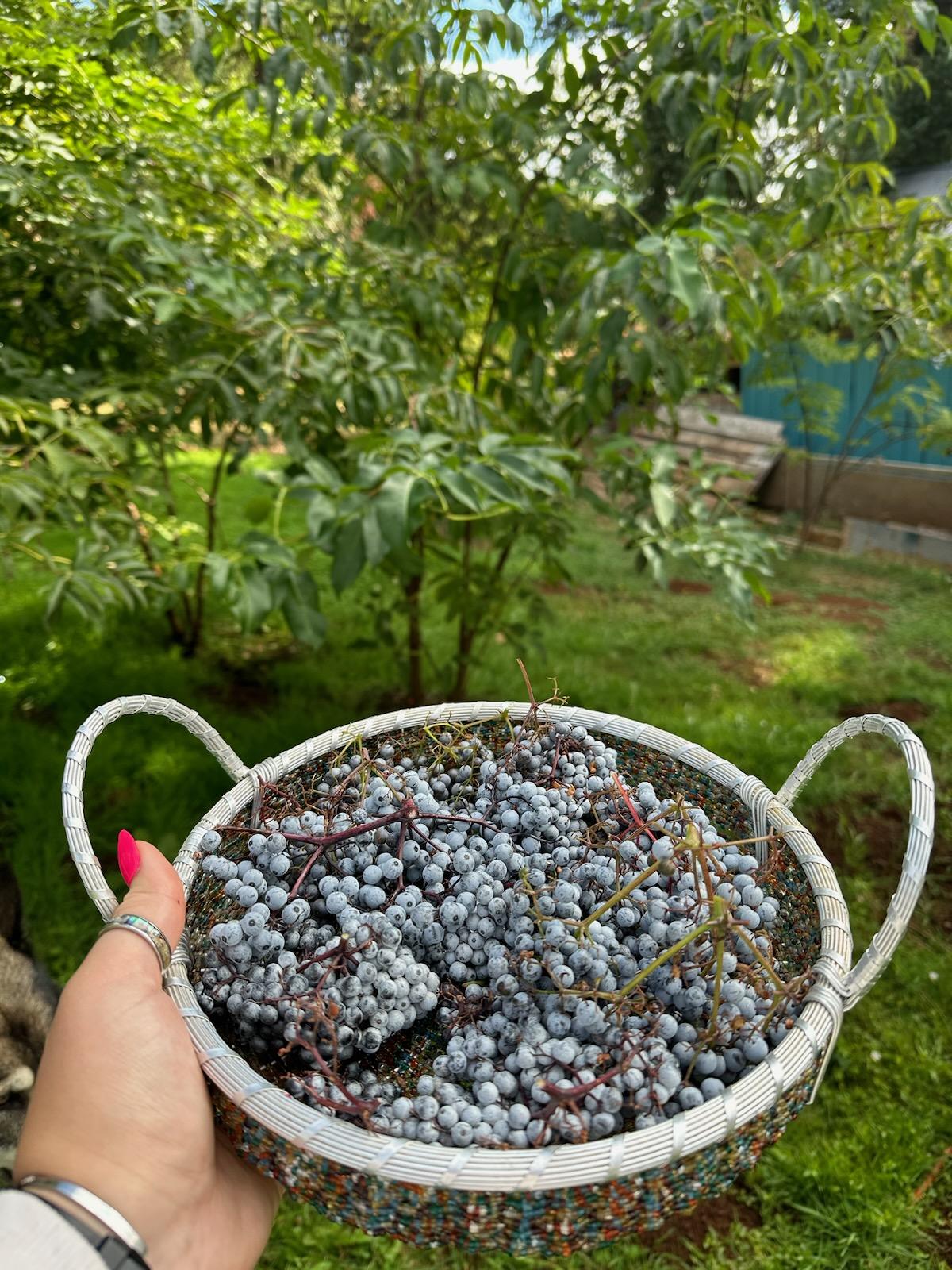
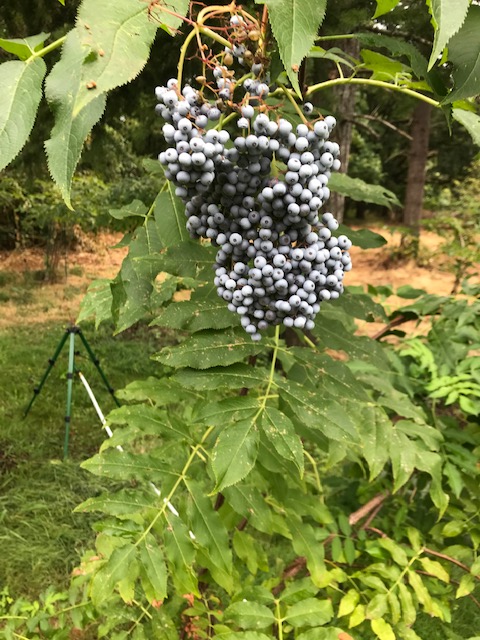
A basket of harvested blue elderberries harvested in September 2023. Photo courtesy of Elderberry Wisdom Farm.
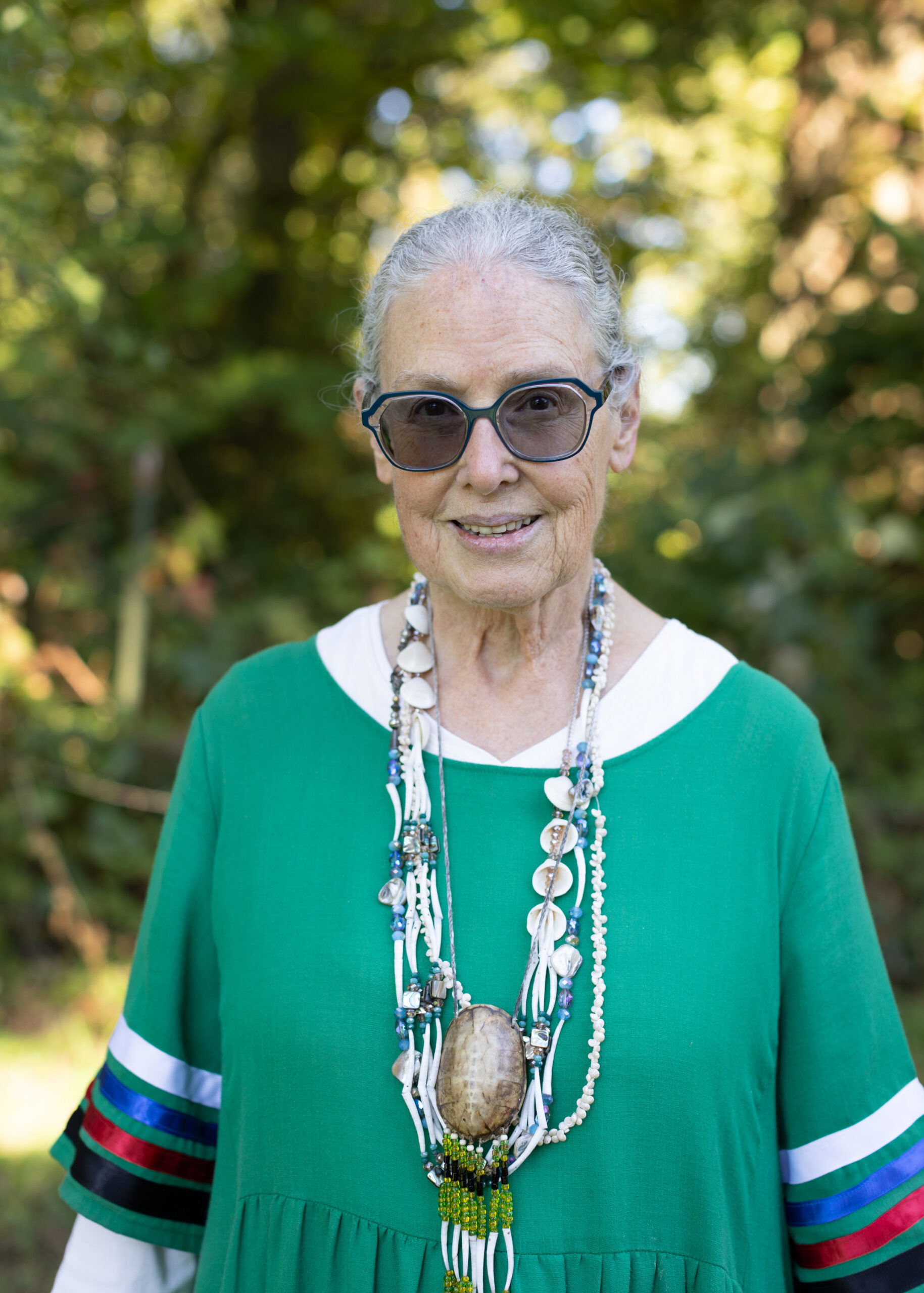
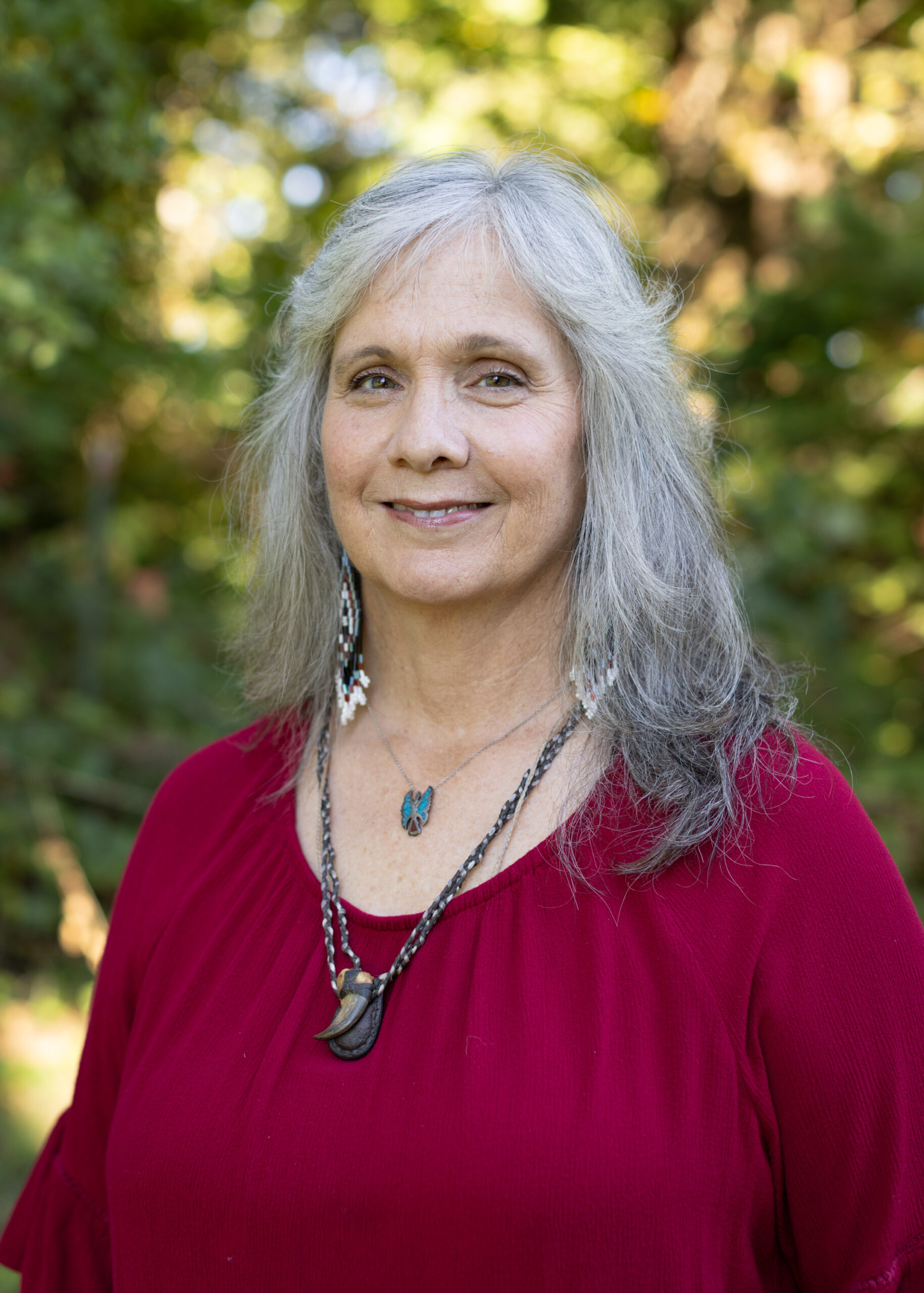
Rose High Bear established Elderberry Wisdom Farm as a nonprofit organization in 2019. Photo courtesy of Elderberry Wisdom Farm.

The research and analysis will be conducted in the Metabolomics Lab run by Center for Agroforestry faculty member Chung-Ho Lin, PhD. Postdoctoral Research Fellow Isa Kupke, PhD, leads the project, and hopes her work can help to unlock the full potential of blue elderberry for the farm’s product innovation and development.

“Metabolomics can support traditional knowledge and provide a new scientific foundation for exploring applications of a plant, leading to the development of innovative and effective products,” said Dr. Kupke. “It enables herbal medicines, dietary supplements, cosmetics, or other products to be created that harness the plant’s therapeutic potential. Through sustainable harvesting practices and strong scientific support, this knowledge will be shared exclusively with traditional knowledge holders to serve their communities.”

The information gathered from the lab’s metabolomic profiling will guide recommendations for value-added product development from different parts of the blue elderberry plant, including flowers, leaves, branches and the blue berries. This will serve as a foundation for considering potential applications in various health and wellness products. Metabolomic research can also help to establish quality control measures, ensuring that products derived from the plant maintain a consistent composition and therapeutic efficacy. 

At the Center for Agroforestry, we are committed to learning from Indigenous leaders and from scholarship on biocultural ethics in order to responsibly and respectfully research plants we consider “specialty crops” in agroforestry that have been tended by Indigenous peoples for millennia. In this case, guidance and direction from Elderberry Wisdom Farm is at the center of our commitment to relational accountability with this blue elderberry research. 

After tending their blue elderberry patch for the past several years,  the farm was excited to see a greater number of blossoms in June. They mailed the flowers to the Center for Agroforestry for preliminary analysis. In early September, the farm welcomed its first clusters of cerulean berries, some of which were frozen and shipped to the Center for further analysis.

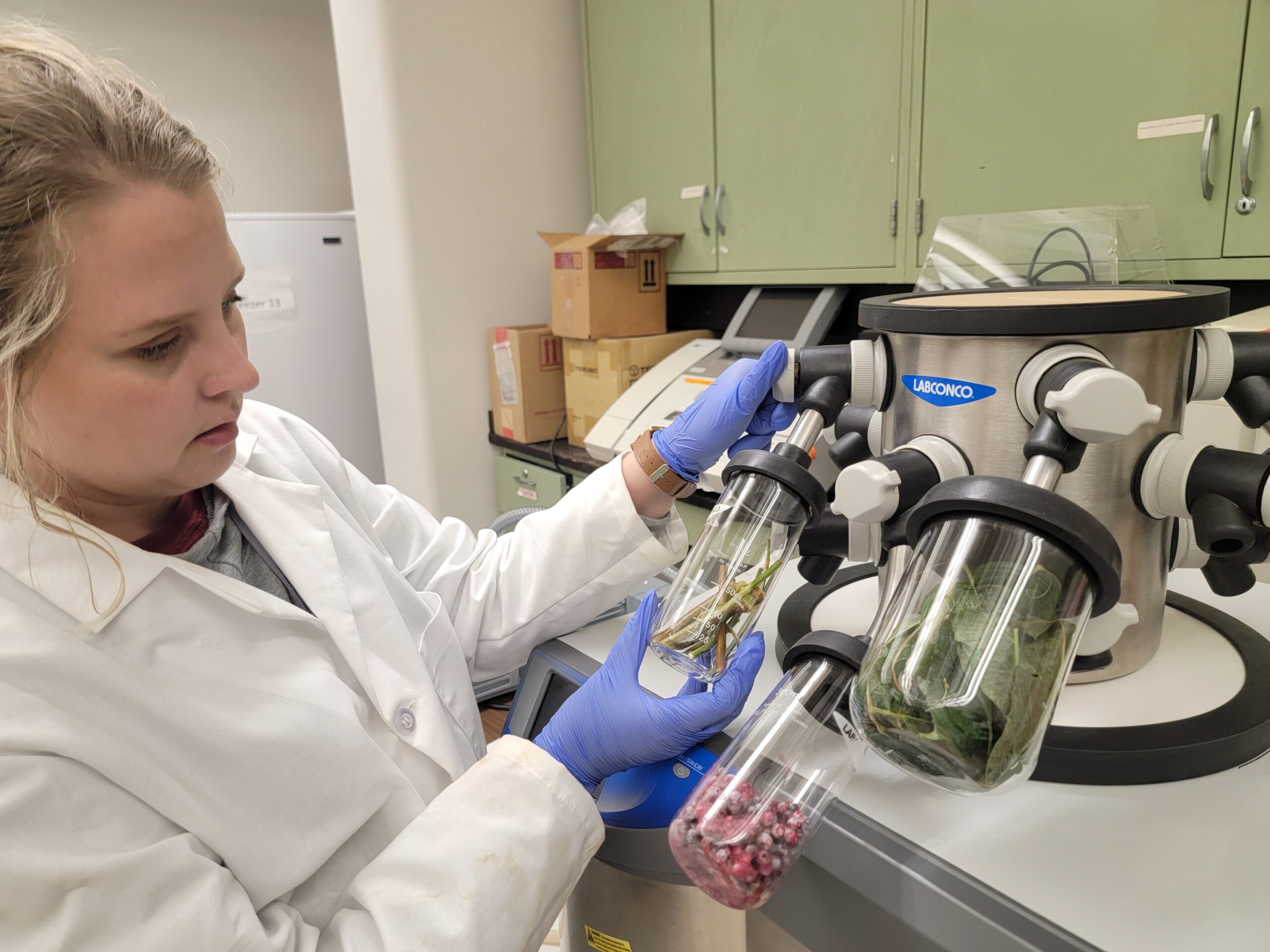
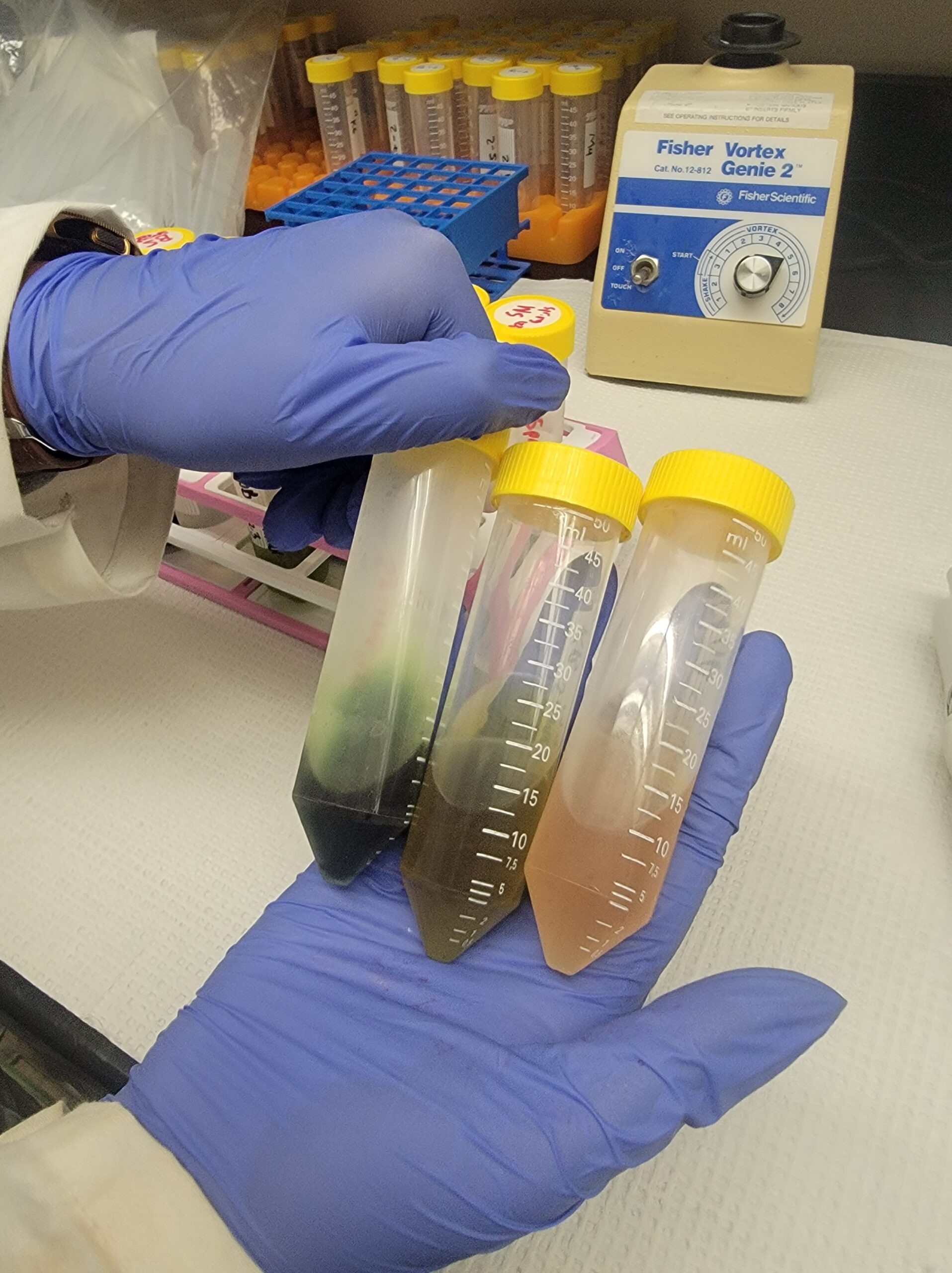
Dr. Kupke arranges blue elderberry stems, berries, and leaves for freeze drying.

“Preliminary studies focusing on the flowers of blue elderberry have yielded promising results,” said Dr. Kupke. “We have observed variations in the concentrations of bioactive compounds compared to American elderberry. Some bioactive compounds are in higher quantities in blue elderberry, while others show the opposite trend. This discovery suggests that blue elderberry may offer bioactive compounds different from its American counterpart, which could open up opportunities for Elderberry Wisdom Farm and other Native growers to develop diverse value-added products from blue and American elderberry targeting different health conditions, respectively.”

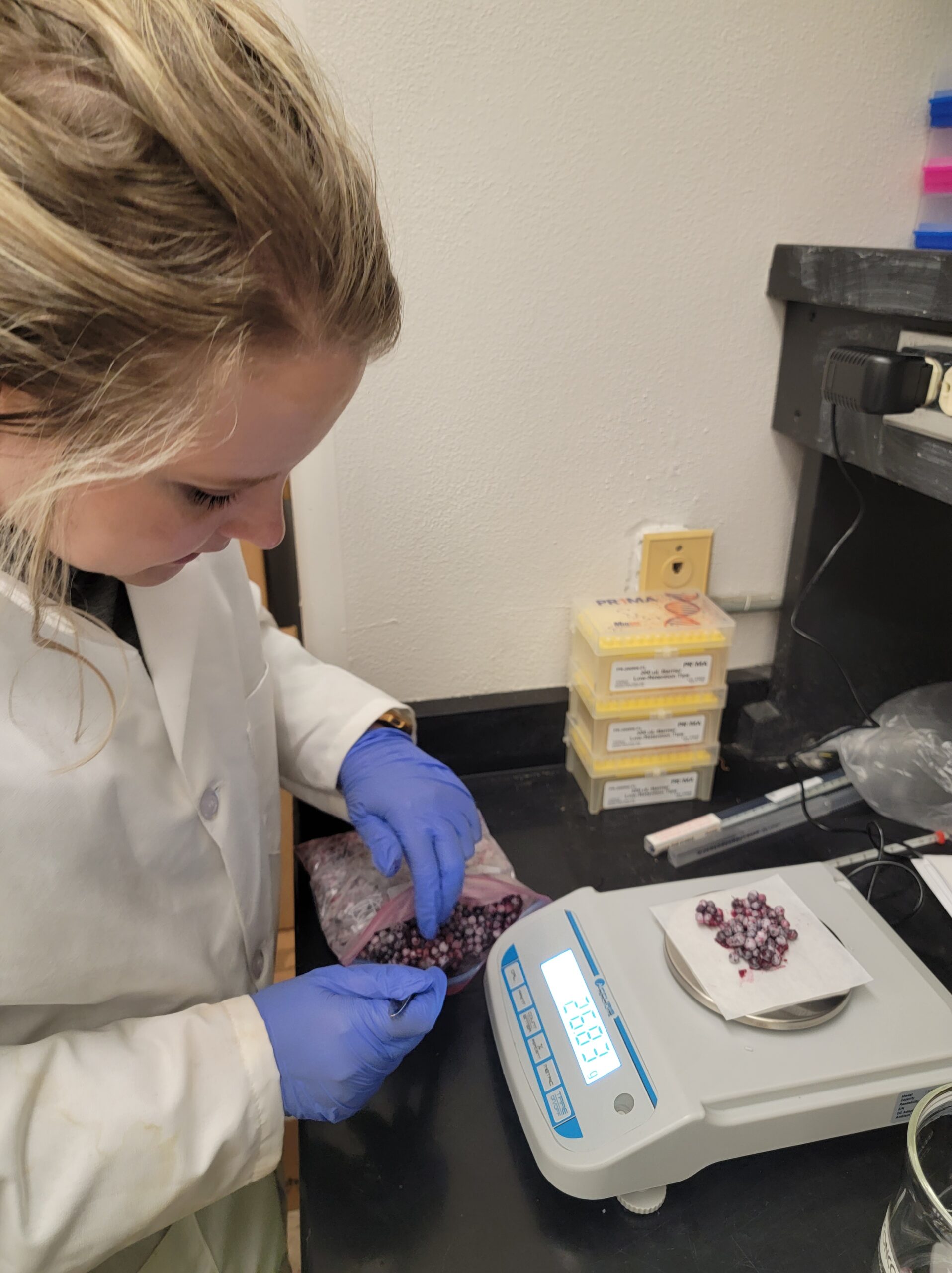
Postdoctoral Fellow Isa Kupke places frozen blue eldererries on a small scale in the metabolomics lab.
Dr. Kupke weighs a sample of frozen blue elderberries in the metabolomics lab.
A cluster of blue elderberries growsat Elderberry Wisdom Farm in July.
A cluster of blue elderberries at Elderberry Wisdom Farm in summer. Photo courtesy of Elderberry Wisdom Farm.
Extracts of blue elderberry leaf, berries, and flowers that will undergo metabolomic analysis.

Rose intends for the farm’s blue elderberry project to serve as a model for Indigenous business leaders in the early stages of developing their land-based enterprises, while also honoring the healing and restorative gifts offered by the plant and the Native communities that have tended to it throughout history. The project’s ultimate objective is to assist Native people in creating nourishing and marketable value-added health products that support their local communities through economic development.

Rose visited the University of Missouri in June 2023 to share about the project and connect with the Center for Agroforestry team. She was joined by her colleague, naturopathic doctor, and certified herbalist, Dr. Aaronda Mayo (Cherokee,  Seminole) the nonprofit organization’s Traditional Ecological Knowledge Specialist. Together, they attended the Comprehensive Elderberry Workshop, which brought together elderberry growers, processors, and marketers from around the United States and Canada. Though Rose and Aaronda do not plan to develop improved blue elderberry cultivars, the information exchange and building of community was reciprocally enjoyed.

“Presenters provided elaborate details on the growing conditions needed, and the remedies for different diseases and pests to watch out for. This information was very meaningful to us,” said Rose. 

Rose and Aaronda are in the process of moving their elderberry cultivation to their new Indigenous Biodiversity Farm,  a three-acre site on a 55-acre organic farm on the South Santiam River in Linn County, Oregon. They begin preparing the ground this fall, planting 200 plants during the rainy season, all while holding the anticipation of seeing the site’s first blooms in 2025 and first berries shortly after.

“Because blue elderberry plants self-pollinate, and because we want to minimize the potential for disease spreading through our rows, we made a decision to plant 20 feet apart with 20-foot rows,” said Rose. “These plants will be intermixed with other Native plant species that will be added to our elderflower skin remedies. Between the rows, we will plant vegetable crops. Intermixing plant species are more likely to increase biodiversity of the soil which is our primary objective right now and it will balance our soil pH.  We anticipate that higher plant biodiversity will increase soil fertility, and the soil testing that was conducted [through the Center for Agroforestry] will serve as a valuable reference point.”

While Rose and her team are busy prepping their future polyculture planting, the Center for Agroforestry team will continue analyzing blue elderberry’s medicinal and healing qualities to contribute to their vision for community health, resilience, and restoration.

Learn more about Elderberry Wisdom Farm at www.elderberrywisdom.org/.

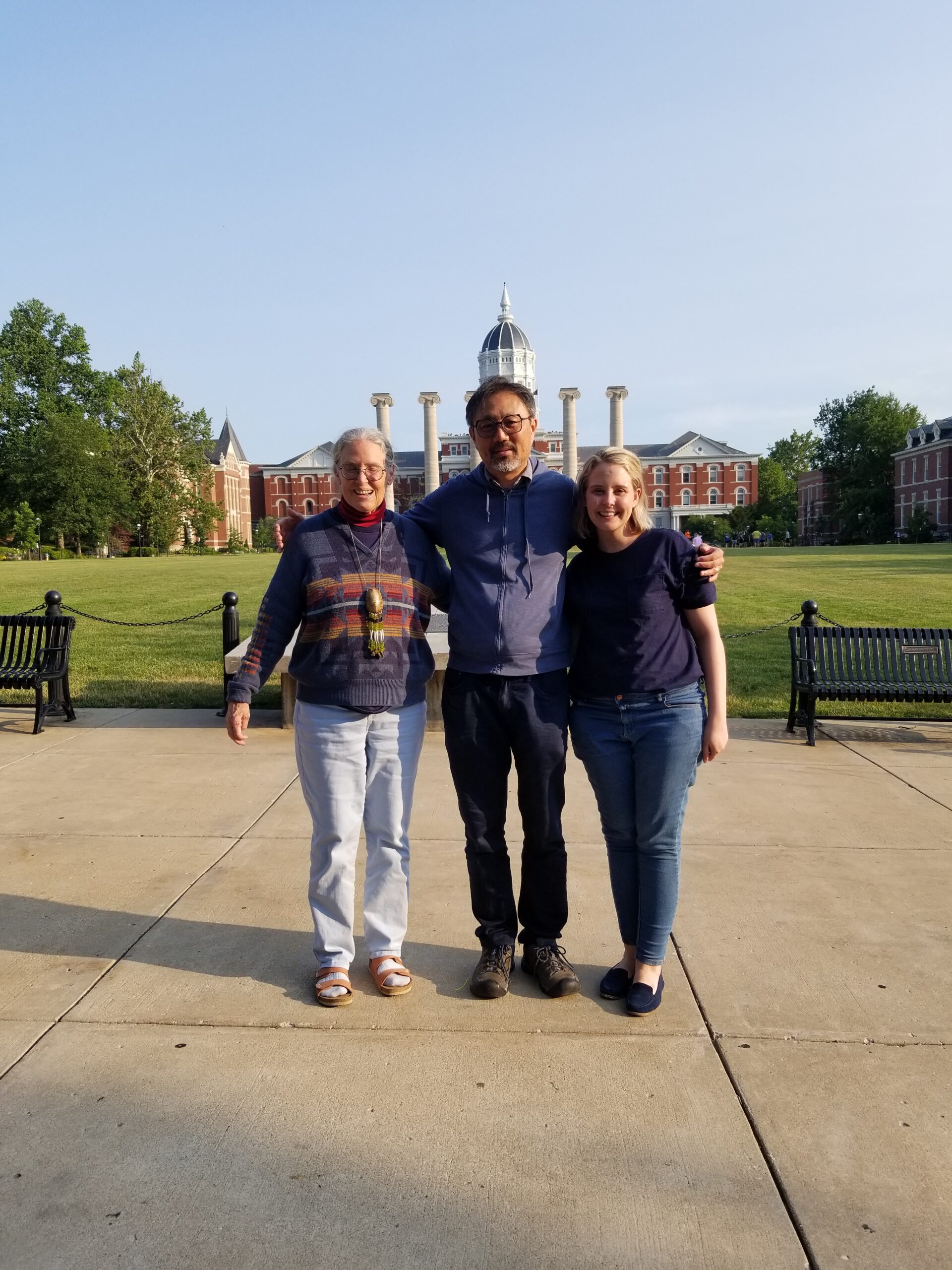
(left-to-right) Rose, Dr. Lin, and Dr. Kupke on campus at the University of Missouri in Columbia. Photo courtesy of Elderberry Wisdom Farm.
Aaronda Mayo, traditional ecological knowledge specialist at Elderberry Wisdom Farm, also joined for the visit to Columbia, MO. Photo courtesy of Elderberry Wisdom Farm.

Explore more resources from the Center for Agroforestry.

READ

Explore our technical guides library for research-backed recommendations on growing and marketing perennial specialty crops like American elderberry.

WATCH

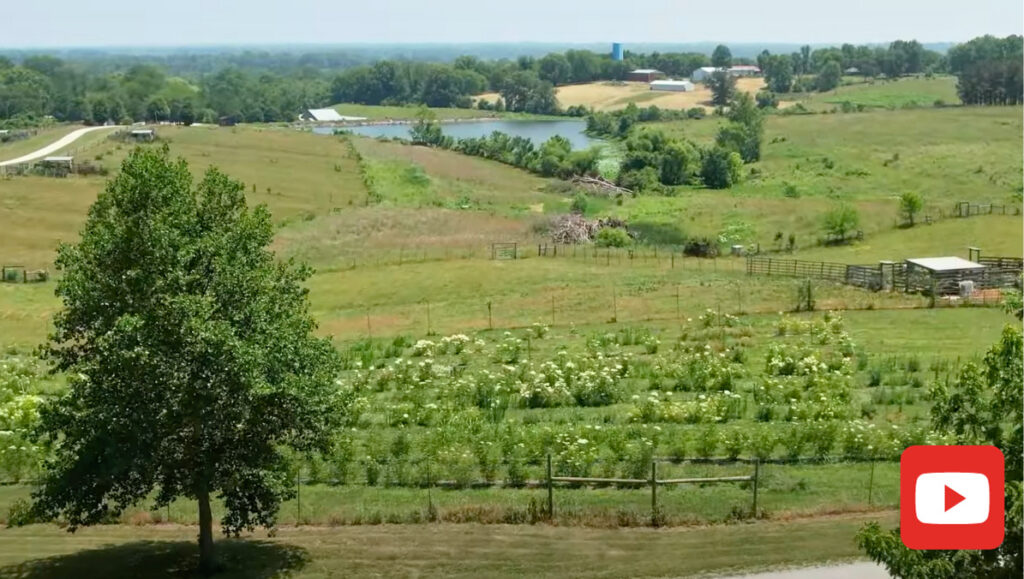
Learn about the Center’s studies of American elderberry cultivar performance in different eco-regions, led by graduate student Sydney Moore.

LISTEN

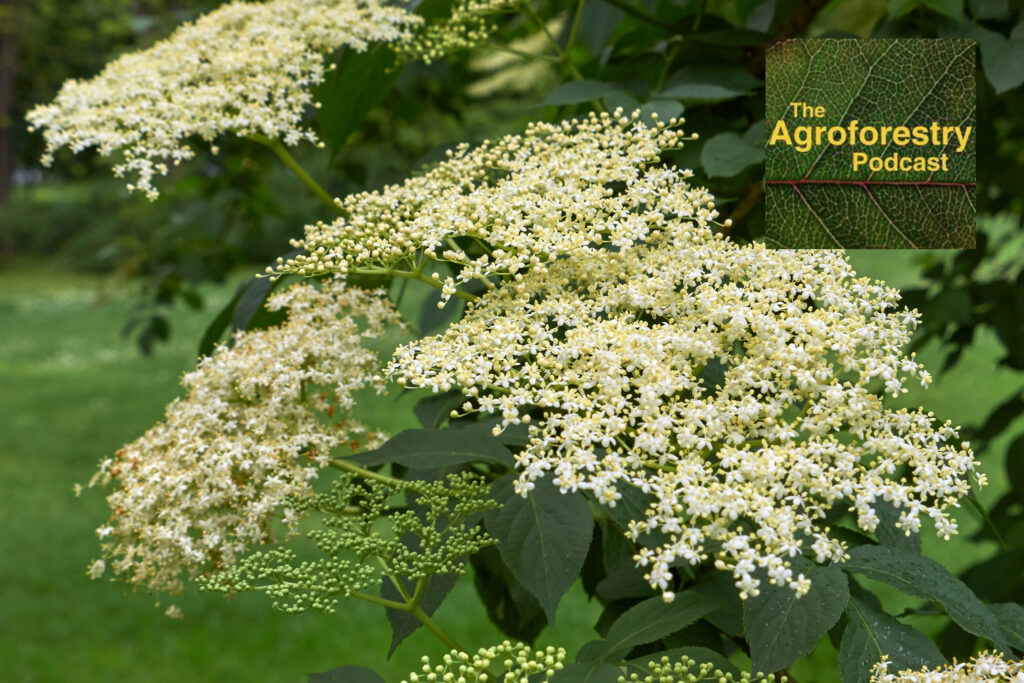
Tune into this episode of The Agroforestry Podcast for insights on incorporating native perennials like elderberry into agricultural landscapes.

Secret Link