
Chestnut Improvement Network Continues Expanding Footprint of Chestnut Breeding in Midwest and Eastern U.S.
The Center for Agroforestry manages the nation’s largest repository of grafted chestnut cultivars at the MU Horticulture and Agroforestry Research Farm in New Franklin, MO. Established nearly 30 years ago, this repository representing 65 cultivars is overseen by Dr. Ron Revord and his team of researchers and graduate students, and serves as the foundation for the Center’s chestnut breeding program. In addition to maintaining the repositories and conducting replicated testing trials, a key element of the Revord Lab’s operations include propagating breeding generations of seedling trees to be planted on working farms throughout the United States.
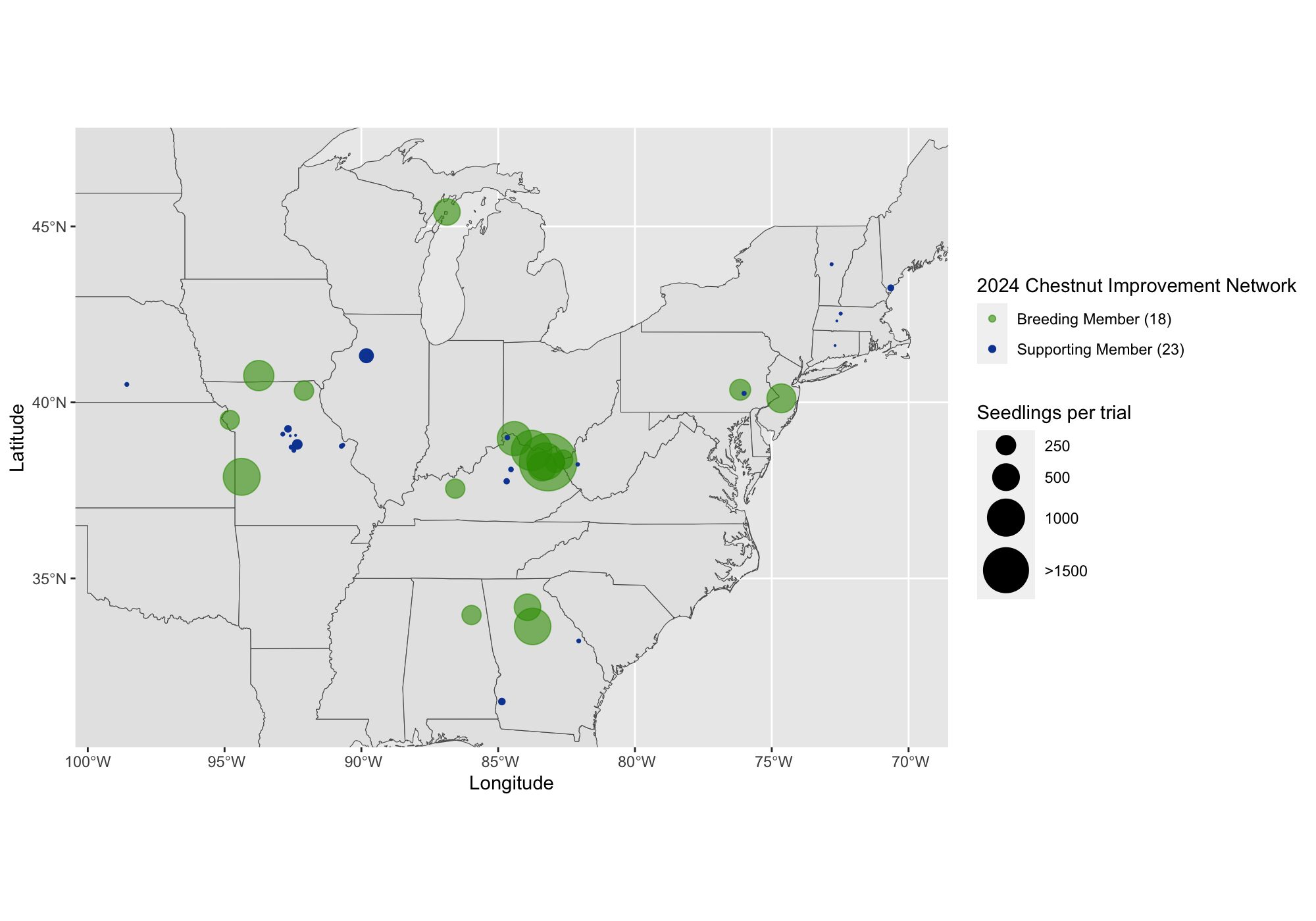
To date, Chestnut Improvement Network (CIN) participants have planted more than 23,000 seedlings with 26 growers across 12 states. CIN has rapidly expanded what’s possible in the world of chestnut breeding.
Why chestnut breeding?
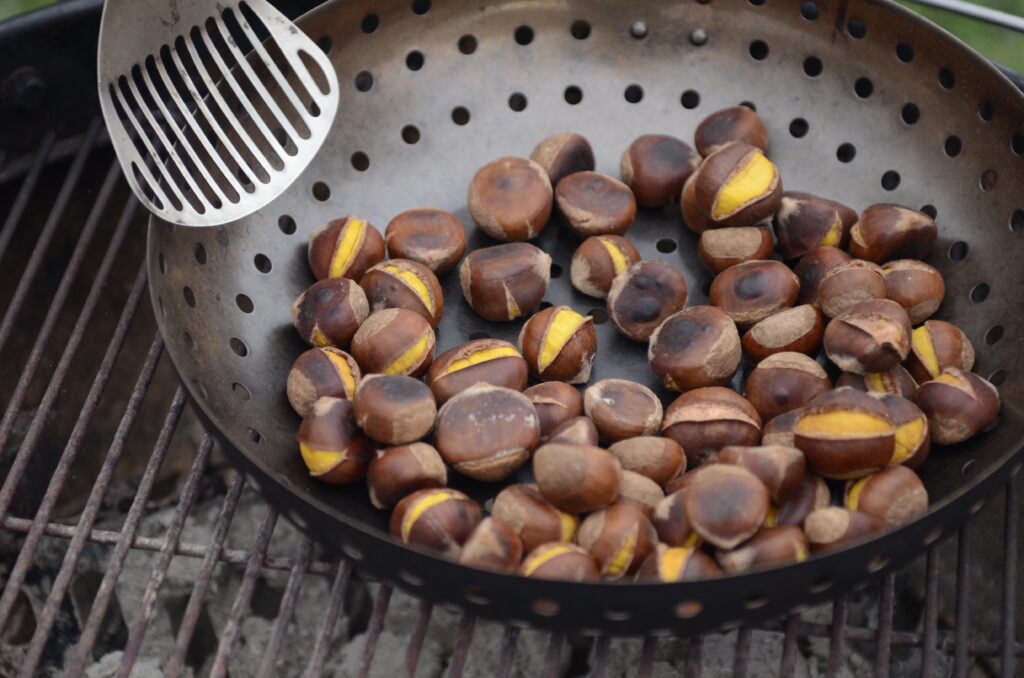
Chinese chestnut (Castanea mollissima) is an emerging tree nut crop in the Midwest and Eastern United States. Chestnut cultivation for nut production in these regions is accelerating. Across the United States, the number of chestnut farms increased by 79 percent between 2017 and 2022, with more than 1,500 chestnut orchards reaching bearing age (USDA Census of Ag, 2022). In Missouri, the number of acres in chestnut production more than doubled in that time (from 142 acres in 2017 to 391 acres in 2022). As a perennial tree crop, Chinese chestnut can store carbon from the atmosphere, improve soil health, reduce nutrient runoff and erosion, and enhance wildlife habitat on farms. Chestnut is a favorite among agroforestry adopters due to the low post-harvest processing requirement and the high farmgate price point through direct to retailer or consumer channels.
Chestnuts can contribute positively to the U.S. food system. They are a healthy, low-fat, gluten-free, staple food ingredient that can be incorporated into a wide range of dishes, fresh or dried. They are becoming increasingly sought-after as a novel and healthy food ingredient and have historically had strong demand among European and Asian communities. The Center for Agroforestry’s tree improvement program sees much promise in Chinese Chestnut as a sustainable staple crop for future food security and farm viability.
What is the Chestnut Improvement Network?
The Chestnut Improvement Network (CIN), established in 2021 by the Revord Lab, is a participatory breeding network, meaning that breeding activities occur on-farm with support from growers to meet the ultimate goal of the project: developing resilient, productive cultivars for scaling commercial chestnut production in the United States. On-farm selection helps our breeders expand the number of offspring under observation and diversify evaluation environments for key selection characteristics, such as leafing and bloom time, nut quality, yield stability, and more.
CIN also provides technical assistance to participating growers. Our researchers work with each breeding member to equip them with knowledge and tools to take part in the tree improvement process, including information on selection criteria and access to our E-Brida germplasm database. We also provide support in orchard planning, such as site selection and recommended practices for site preparation and management during/after establishment.
Chestnut Breeding Selection Criteria
Late leafing – leaves emerge after risk of frost damage is past
Precocity – tree begins producing nuts at a young age
Consistent bearing – tree produces a crop of nuts every year
Disease and pest resistance – tree resists chestnut blight, PRR, BER, gall wasp, weevils, leaf hopper, etc. relative to local pressures
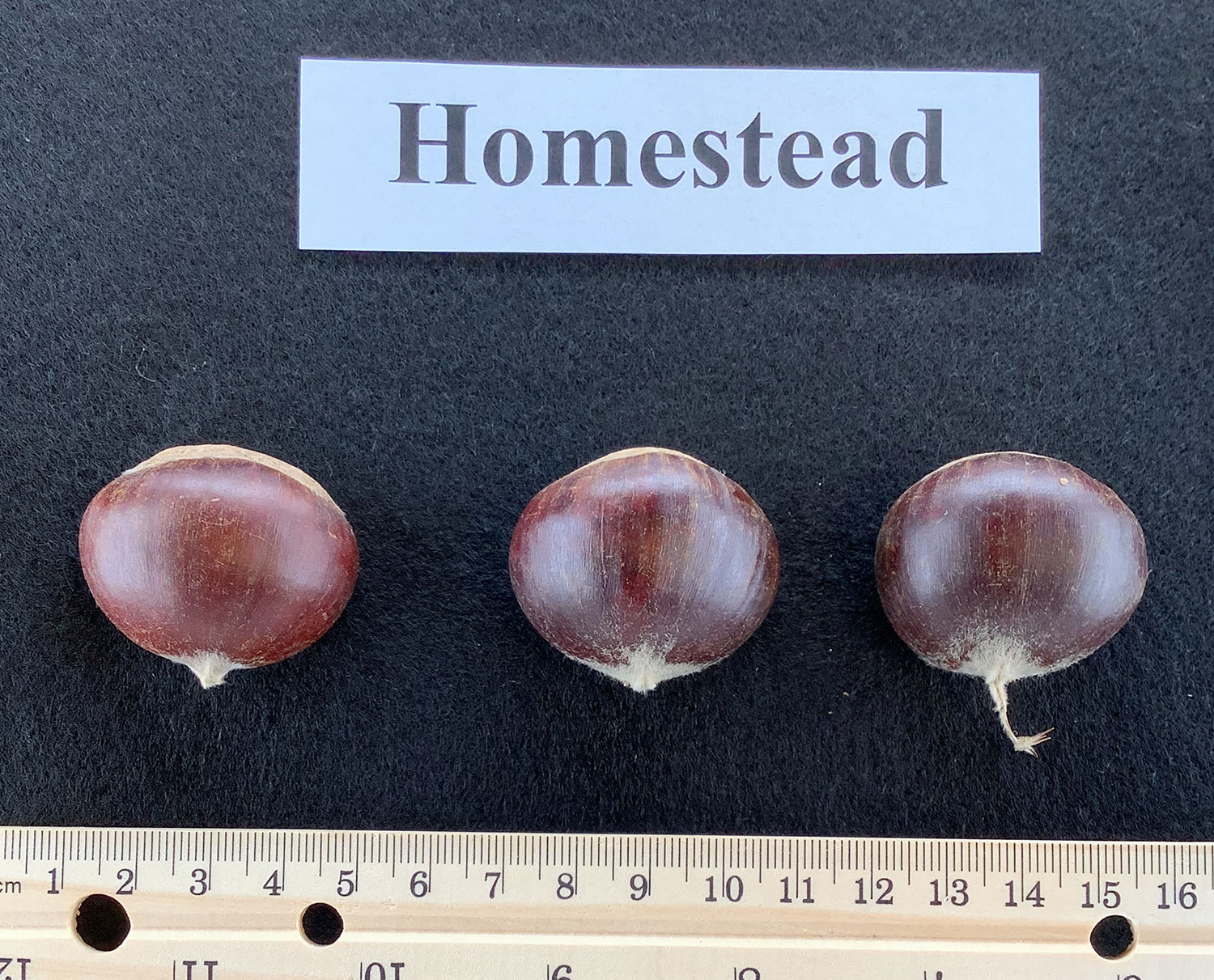
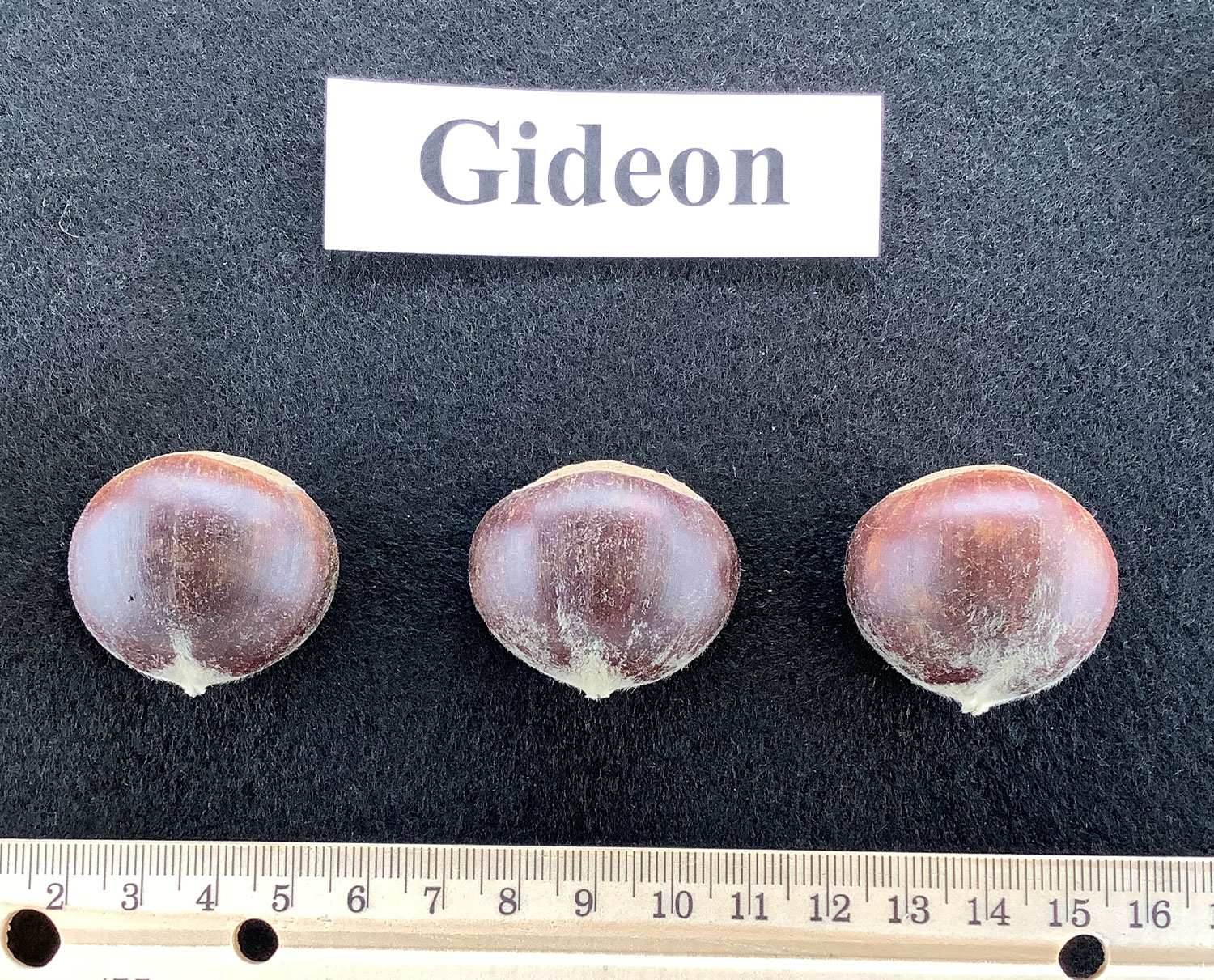
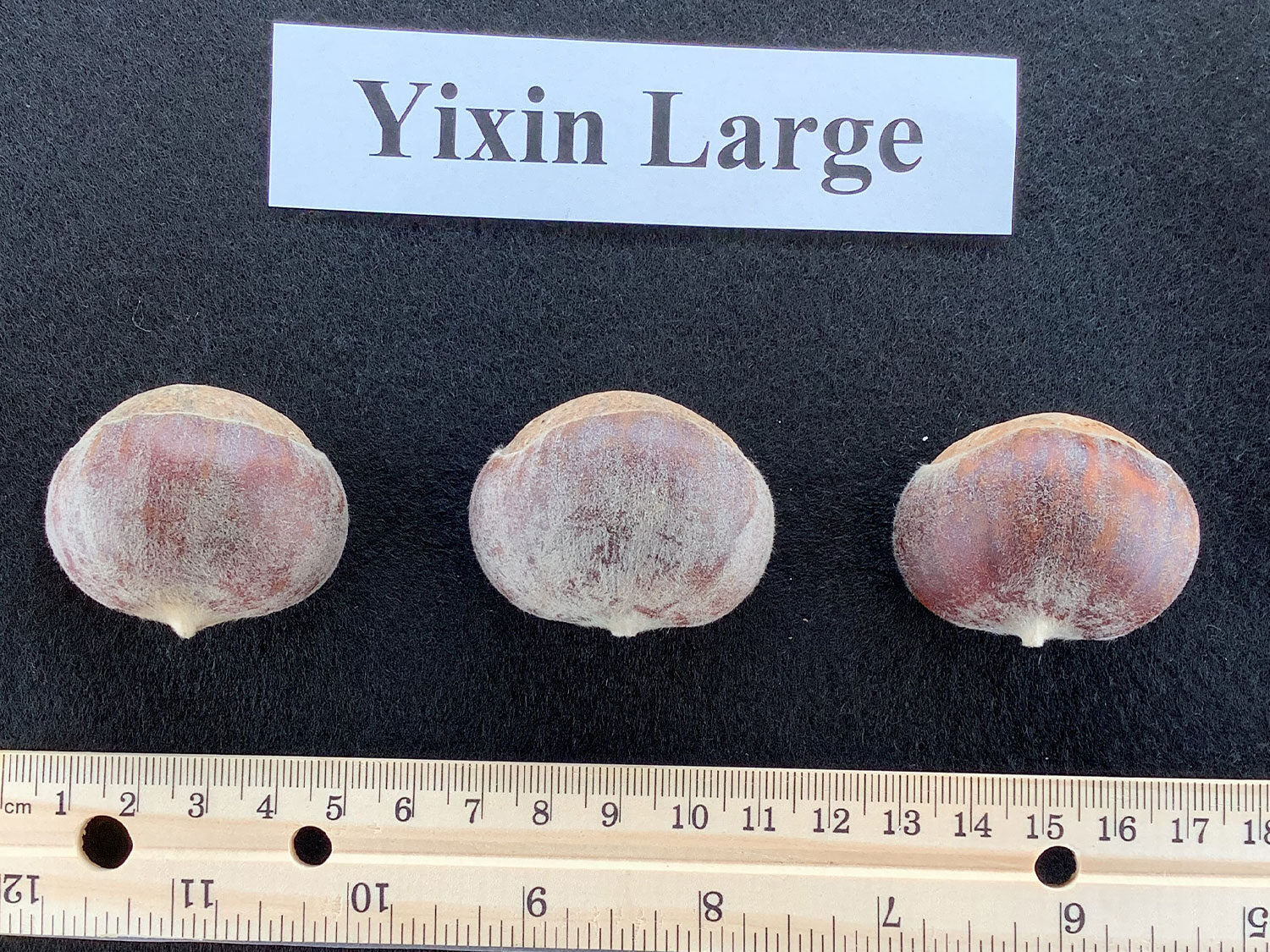
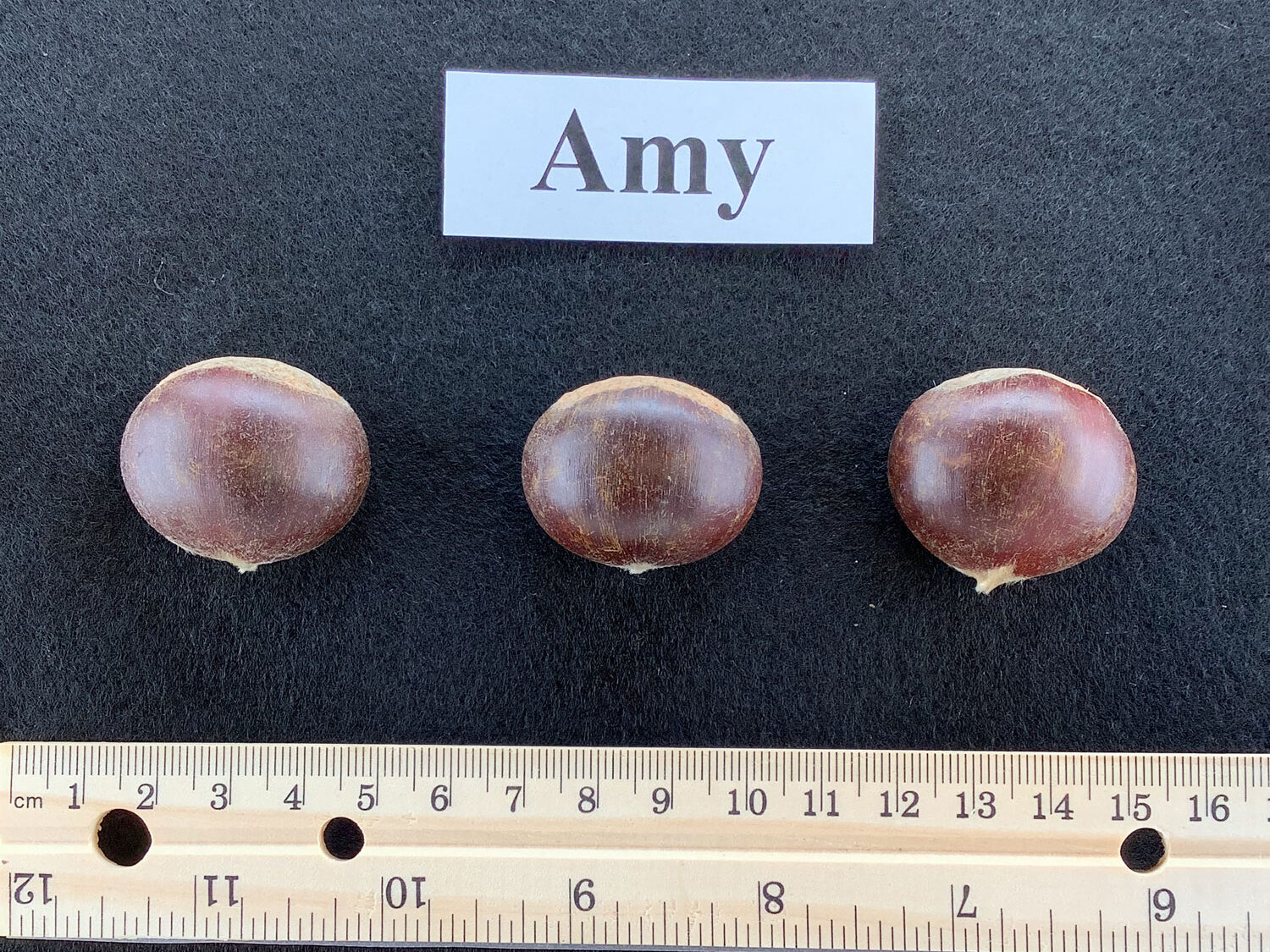
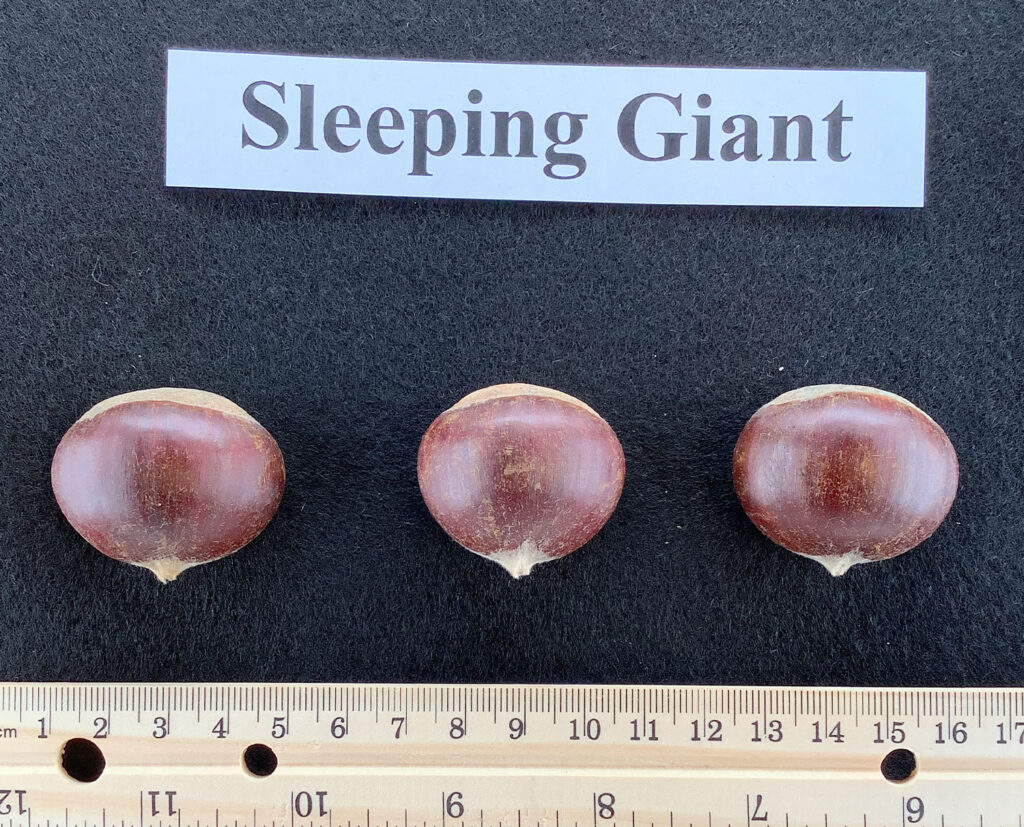
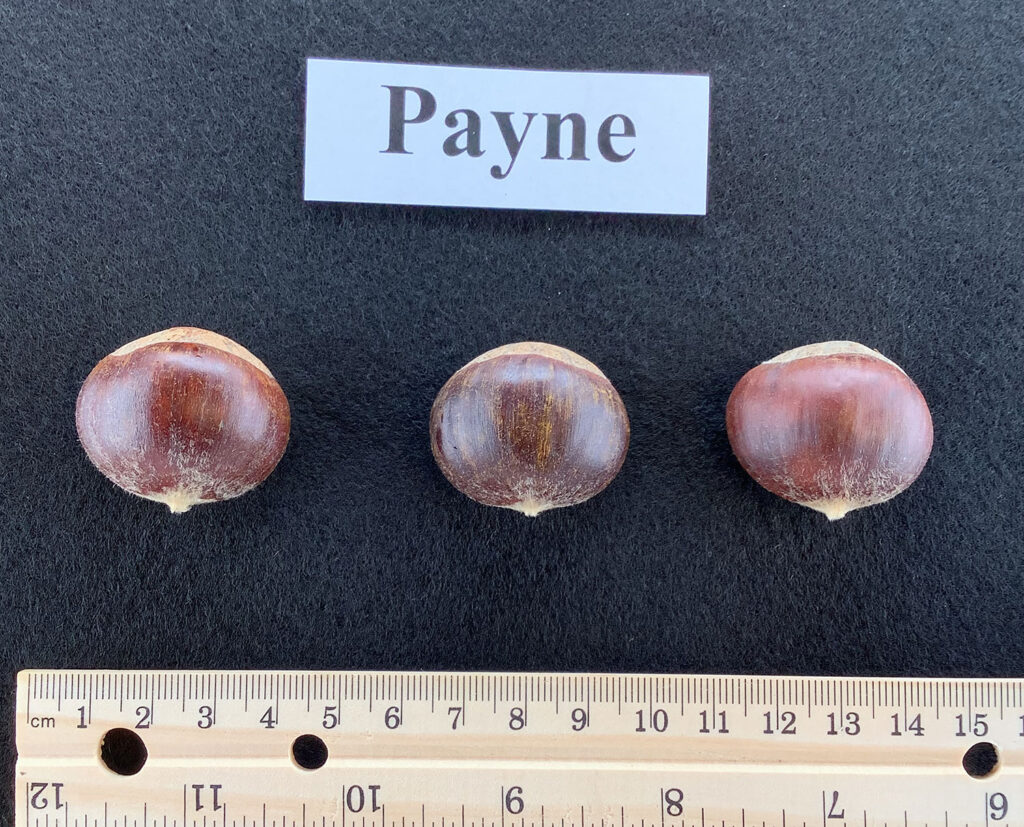
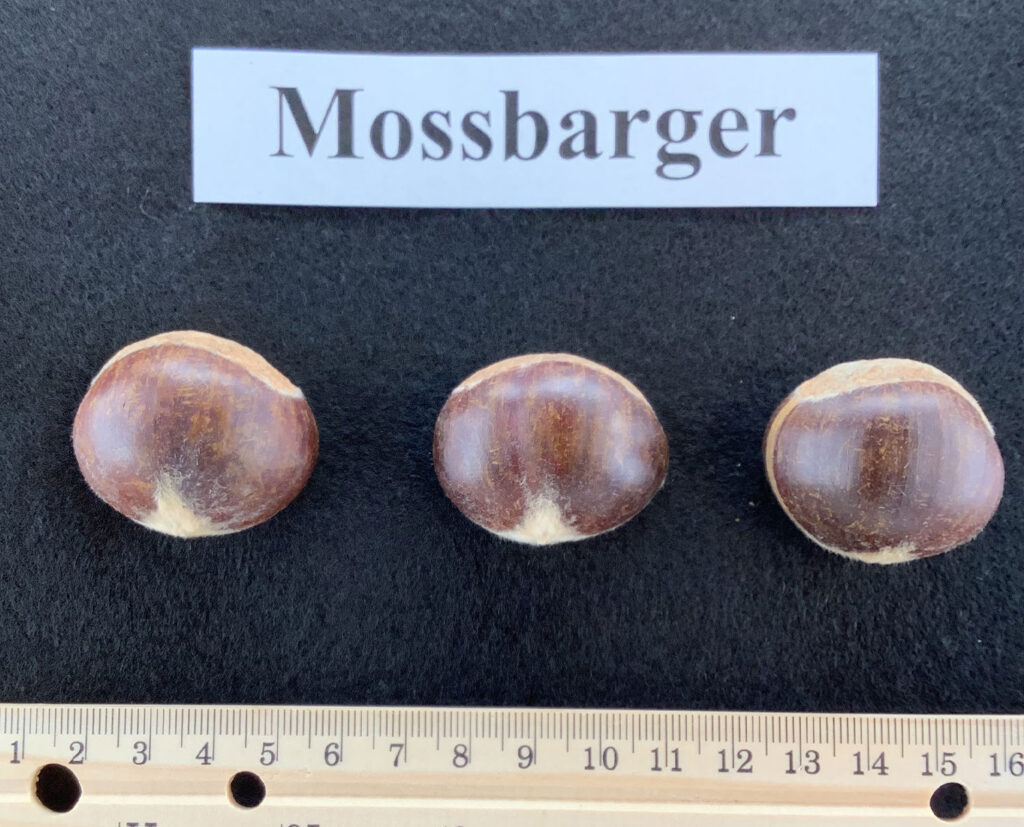
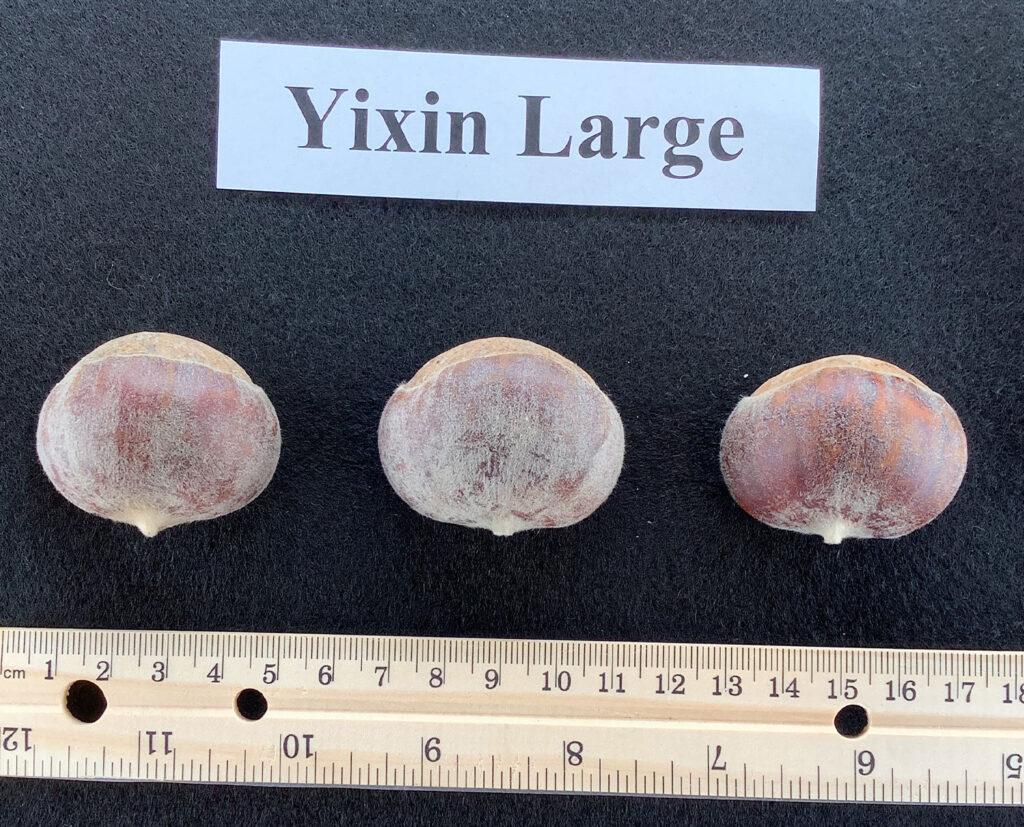
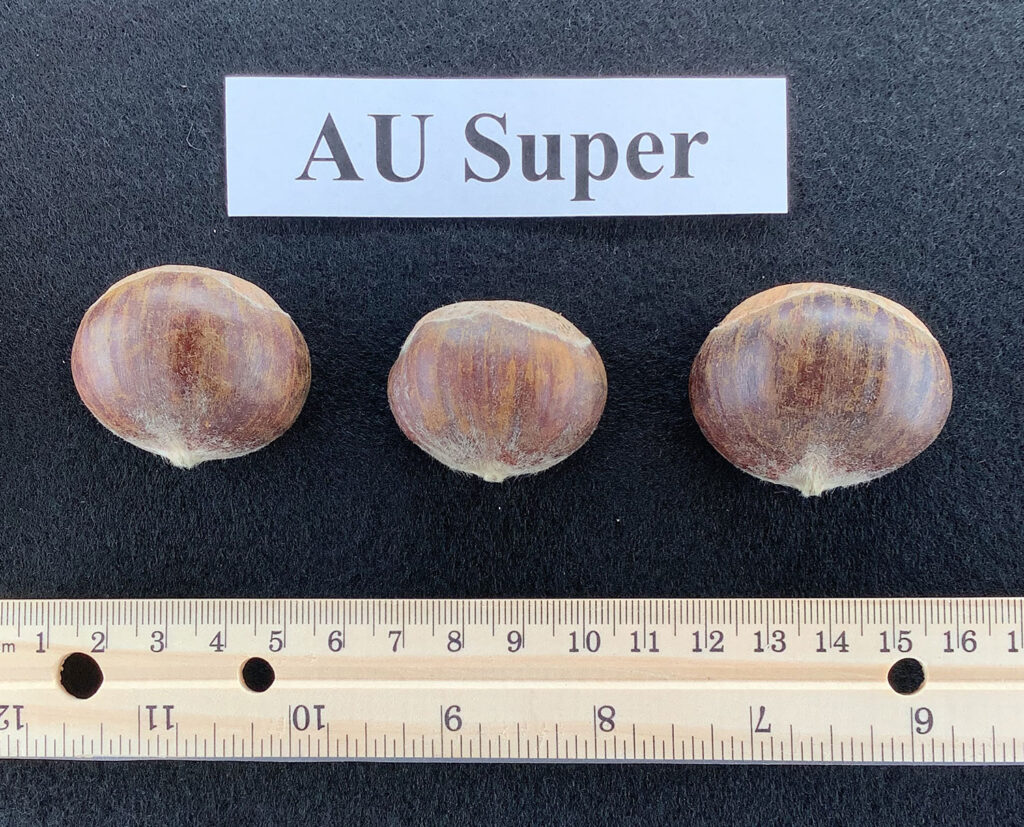
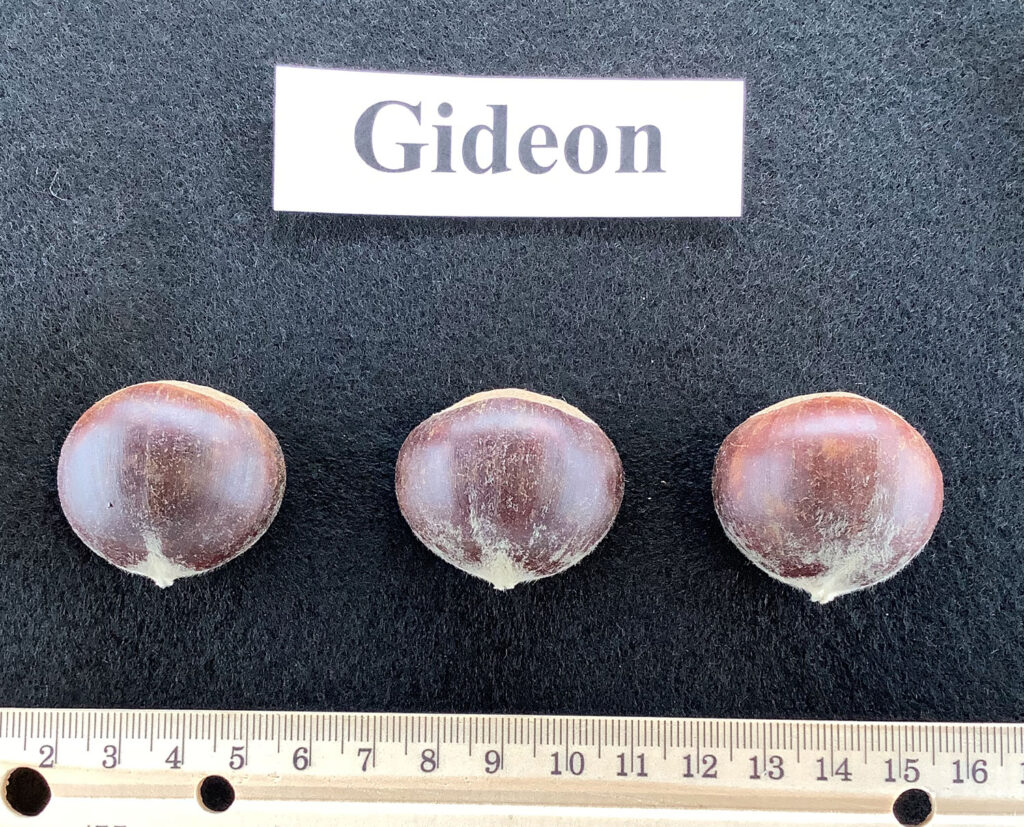
Nut quality – nut size (12g or larger), color of the shell, color of the kernel (yellow), ease of peeling, good flavor
Nuts drop free of the bur – nuts ripen falling free of the bur, not needing to pry the bur open on the ground
Become a CIN Breeding Member
Growers can establish an orchard of 250 open-pollinated seedlings or more to become a CIN Breeding Member. Center for Agroforestry researchers work with each breeding member to educate them on the tree improvement process; however, growers are not expected to perform any breeding tasks. The only expectation of growers is to maintain their orchards as if they would otherwise, communicate general updates on orchard health/status, and allow researchers periodic access to perform evaluations or collect tissue.
How to order chestnut seedlings:
Open-pollinated (OP) seedling families are those with a known maternal parent but an unknown paternal parent. The maternal parents listed on the seedling order form are grafted trees of well-characterized cultivars maintained by the Center for Agroforestry. An advantage of our repository is its pollen cloud, which is made from a unique collection of genetically and morphologically diverse cultivars that carry desirable characteristics. The resulting offspring are the OP families available for order and serve as high-value resources for systematic breeding.
Seedling orders are for pickup or delivery as 1 year old bareroot trees from December 2024 to March 2025.
If you’d like to take the guesswork out of your seedling order, check out the CIN Breeding Bundles listed below. CIN breeders have curated these “breeding bundles” to include cultivar families selected for complementarity.
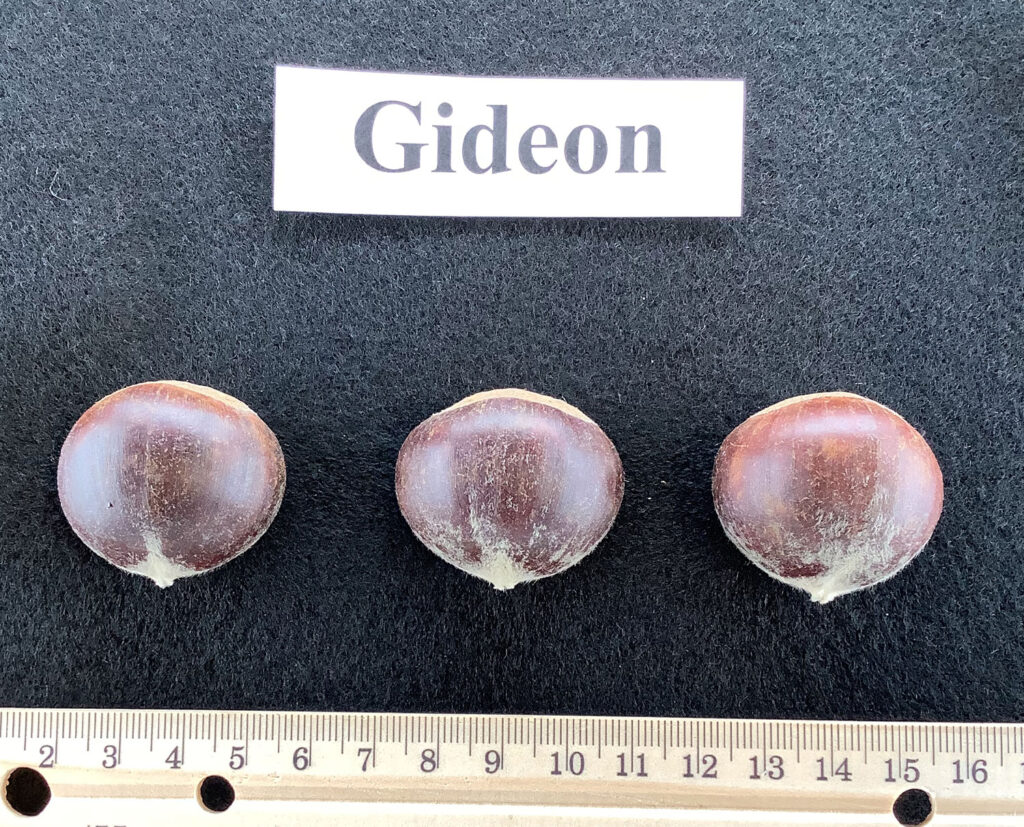
Breeding Bundle #1: Amy, Yixin Large, Gideon, Marigoule, & AU Homestead
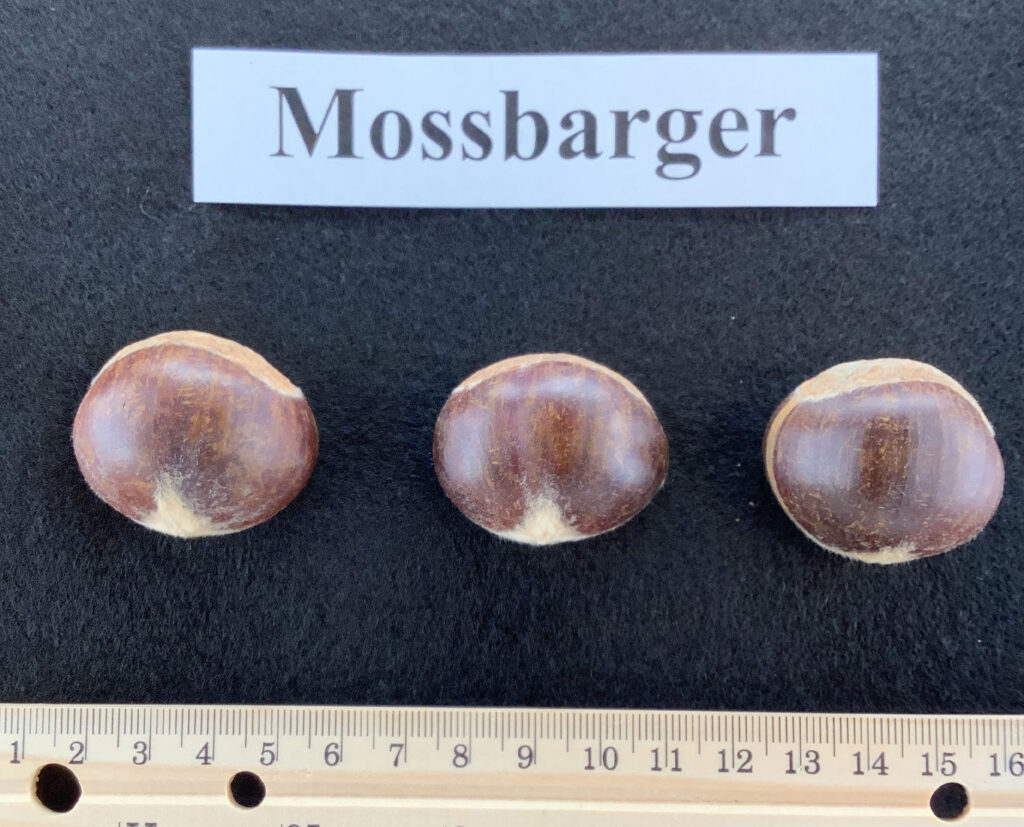
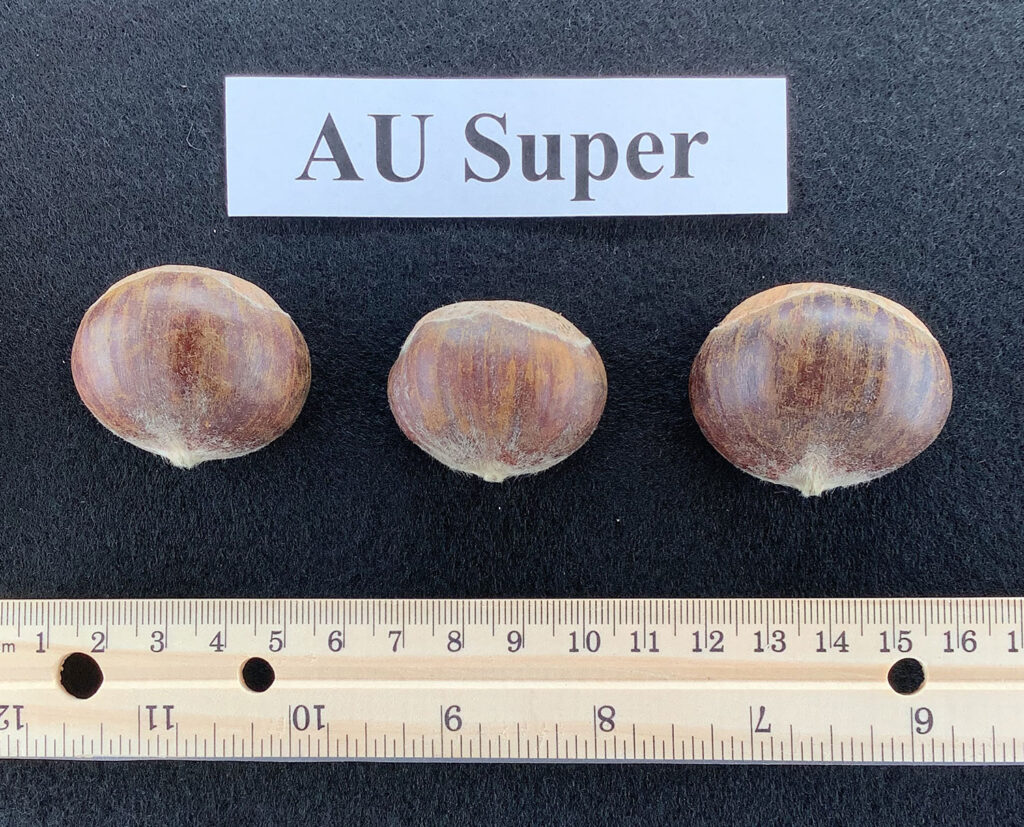
Breeding Bundle #2: AU Super, Sleeping Giant, Mossbarger, Payne, & Gideon
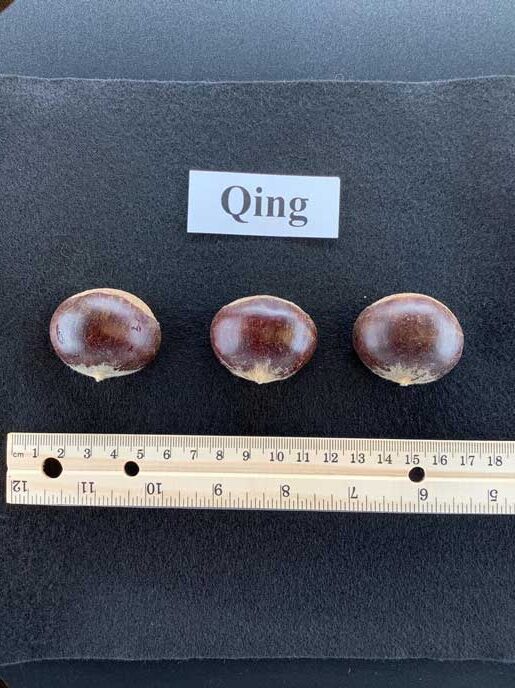
Breeding Bundle #3: Qing, Mossbarger, Gideon, AU Super, & Yixin Large
For more information about becoming a breeding member of the Chestnut Improvement Network, visit ChestnutImprovementNetwork.com or contact the Revord Lab at chestnut@missouri.edu.
Interested in growing Chinese chestnut, but want to grow a smaller orchard? Growers located in the United States can order smaller amounts of open-pollinated seeds from the Center for Agroforestry’s repository here.