Missouri Chestnut Festival Welcomes 2,500 Visitors to Celebrate Local Foods, Research and Agroforestry
Mizzou Agroforestry’s fall festival connects Missouri families, farmers and conservation partners with the growing potential of tree crops and perennial agriculture.
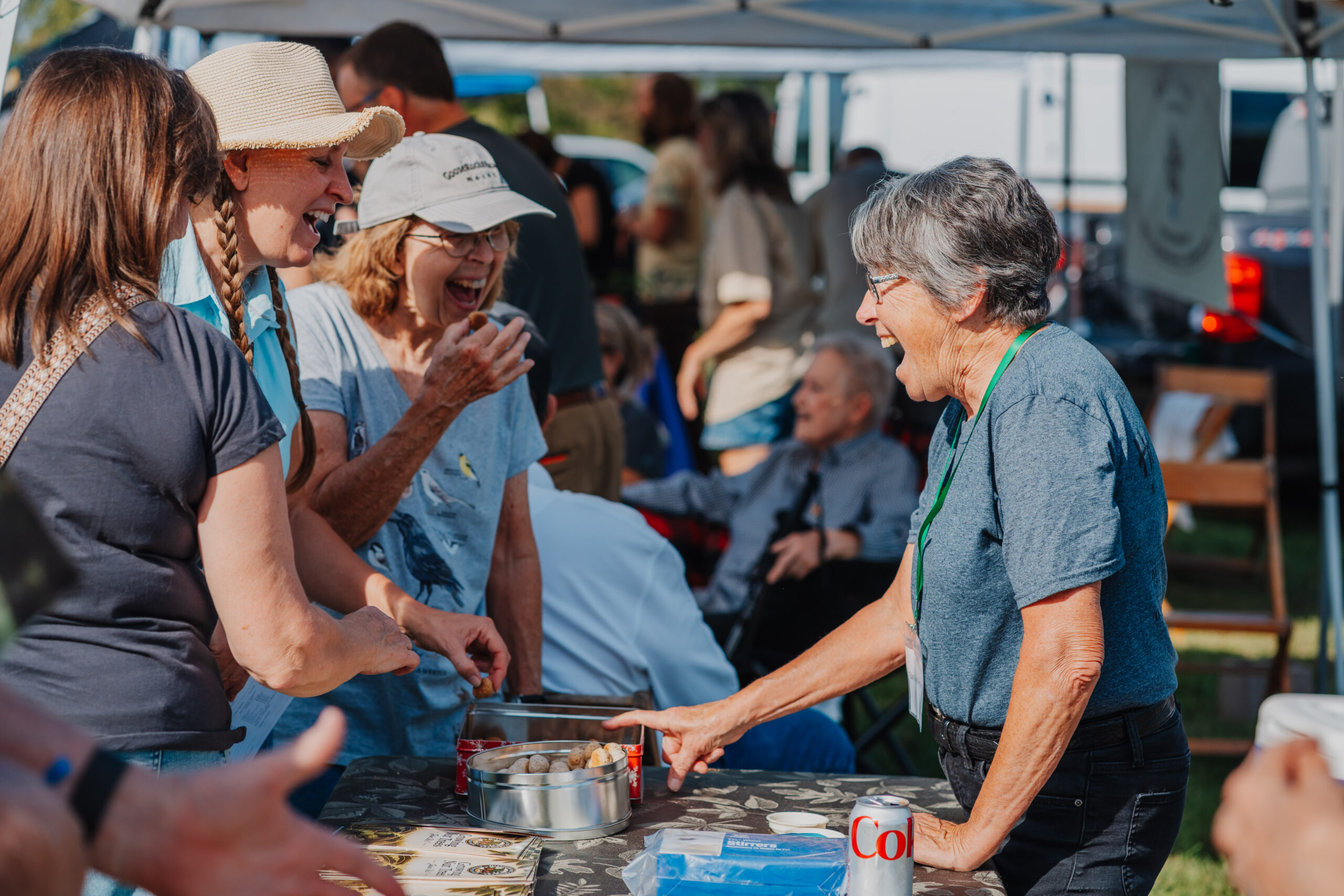
NEW FRANKLIN, Mo. — An estimated 2,500 visitors gathered at the University of Missouri Horticulture and Agroforestry Research Farm on October 10, 2026 for the annual Missouri Chestnut Festival, a celebration of locally grown foods, agricultural innovation and Missouri’s natural resources.
Hosted by the University of Missouri Center for Agroforestry, the free, family-friendly event brought together farmers, researchers, conservation organizations, local businesses and community members for a day of hands-on learning and fall festivities.
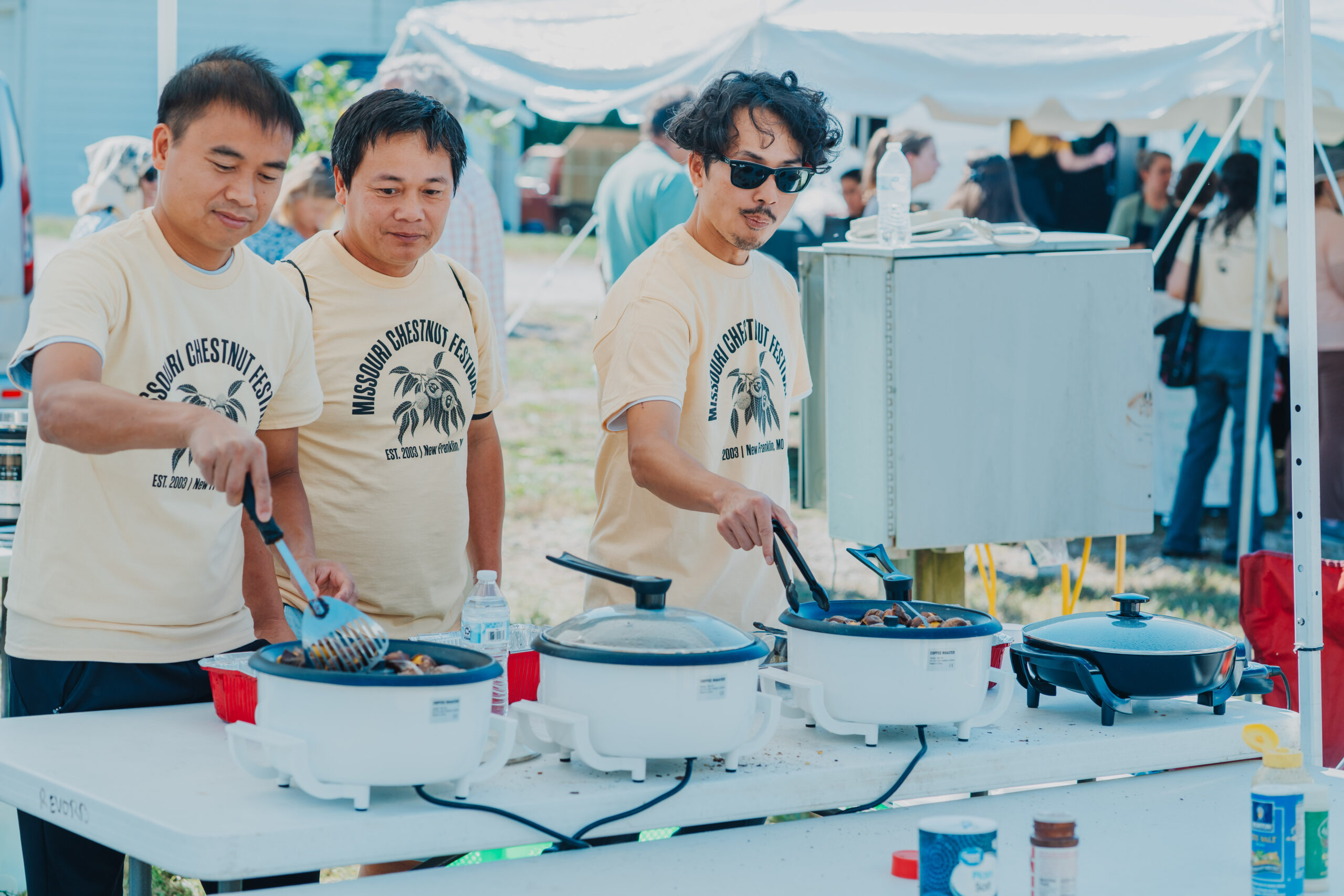
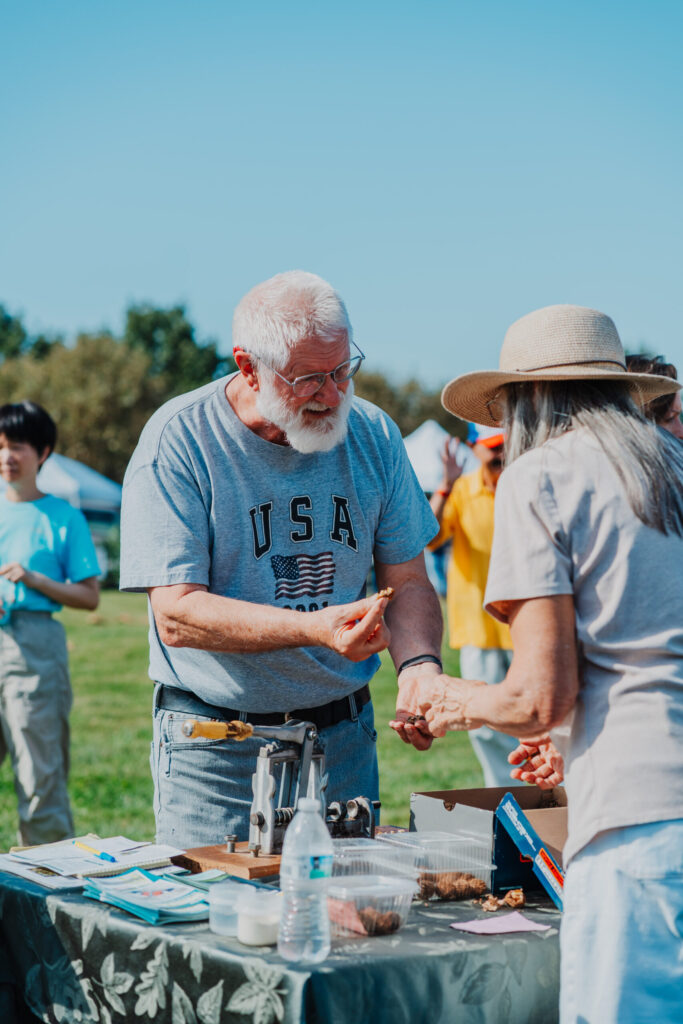
From freshly roasted chestnuts and specialty crop tastings to wagon rides through research orchards, the festival offered visitors an opportunity to experience the flavors, landscapes and possibilities of agroforestry firsthand.
A Taste of Missouri’s Growing Agroforestry Industry
Chestnuts took center stage as visitors sampled the fall harvest and discovered how tree crops can contribute to Missouri’s agricultural future.
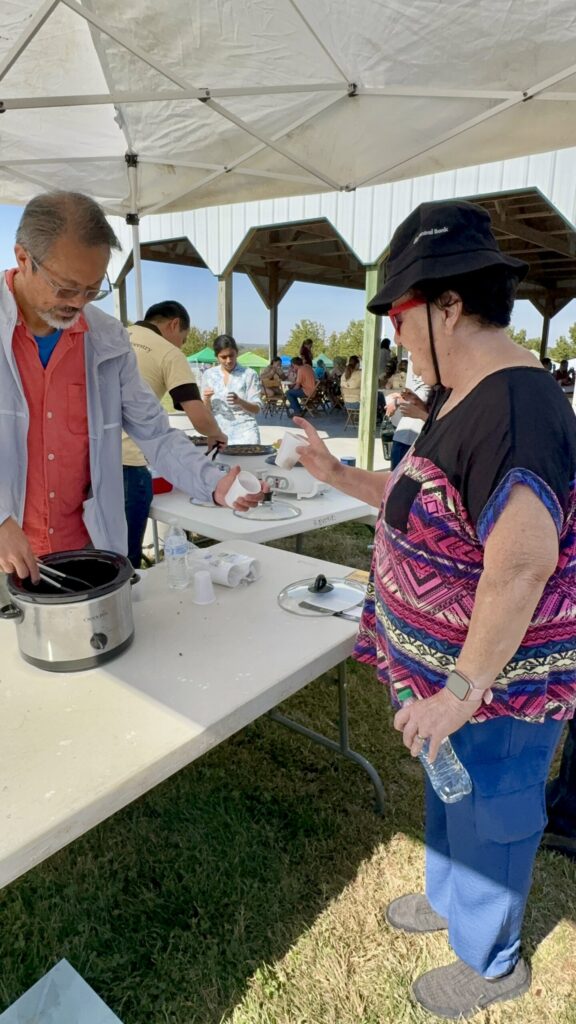
Festivalgoers also enjoyed an agroforestry-inspired lunch prepared by Thompson’s Tables, featuring locally grown perennial ingredients, including chestnuts, elderberries and pawpaws. Specialty ice cream flavors from the University of Missouri’s Buck’s Ice Cream offered another taste of the region’s distinctive crops.
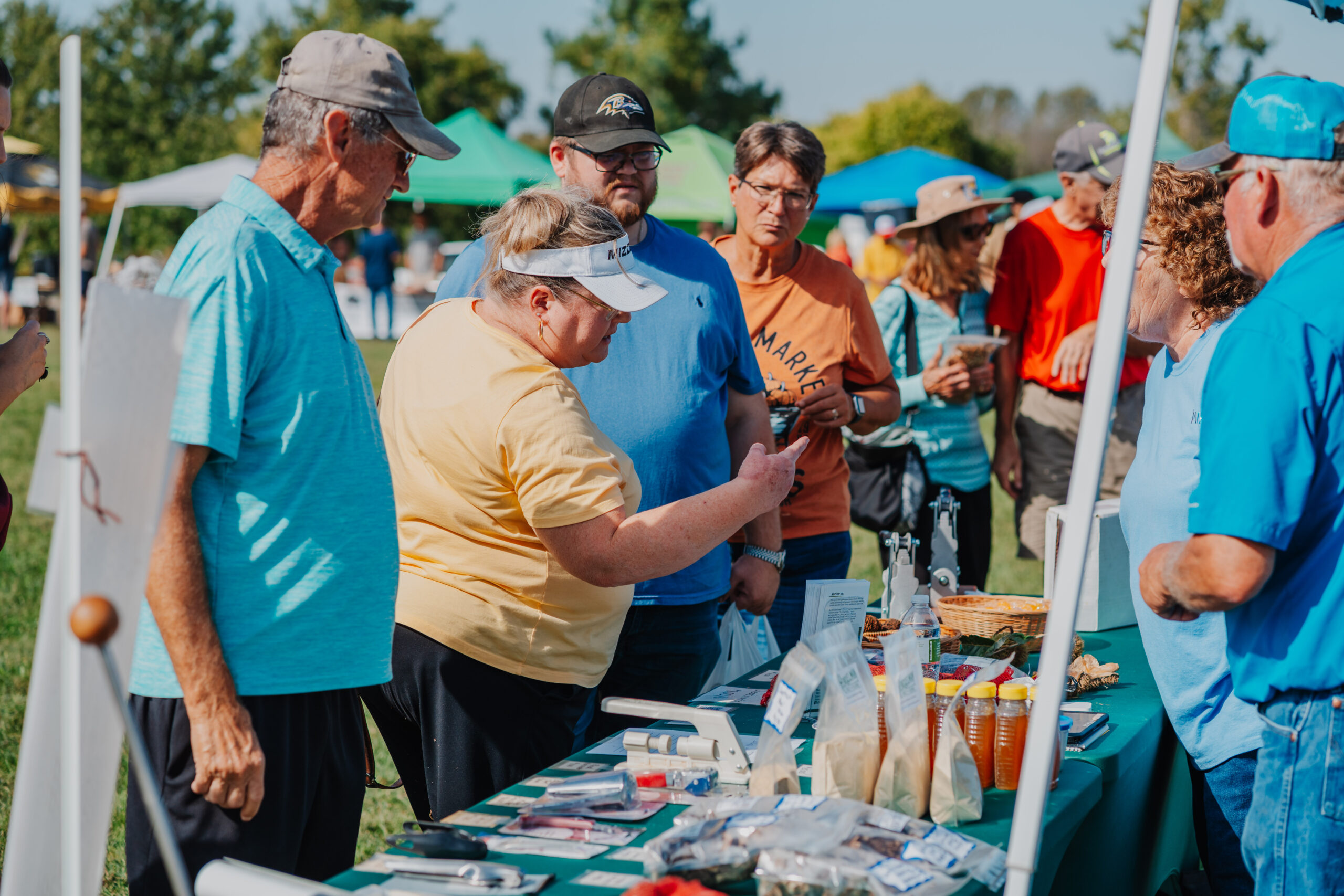
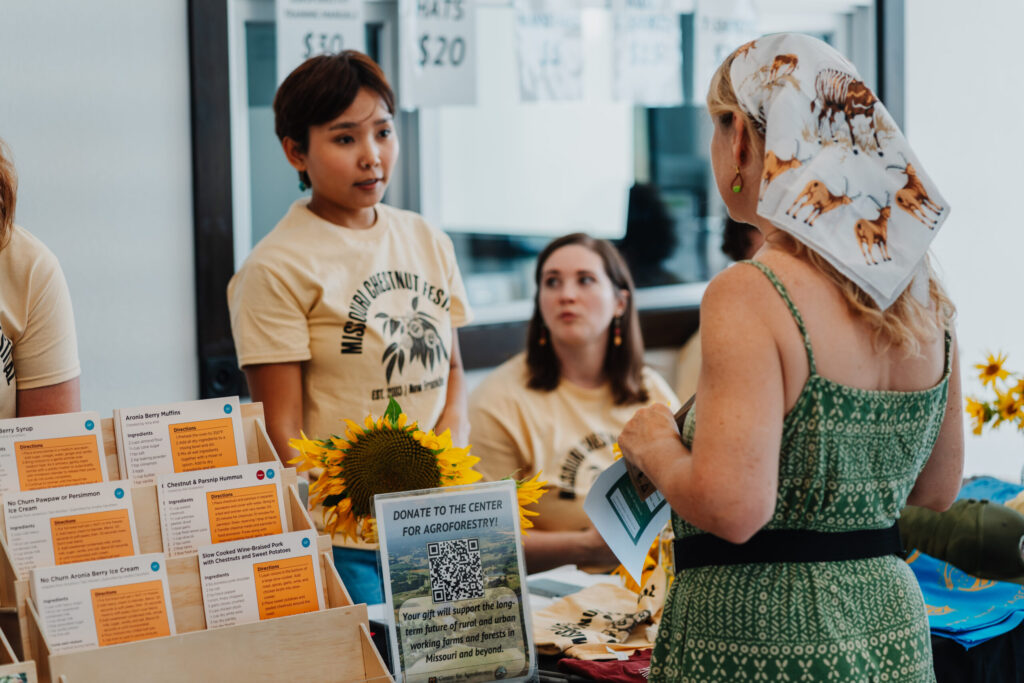
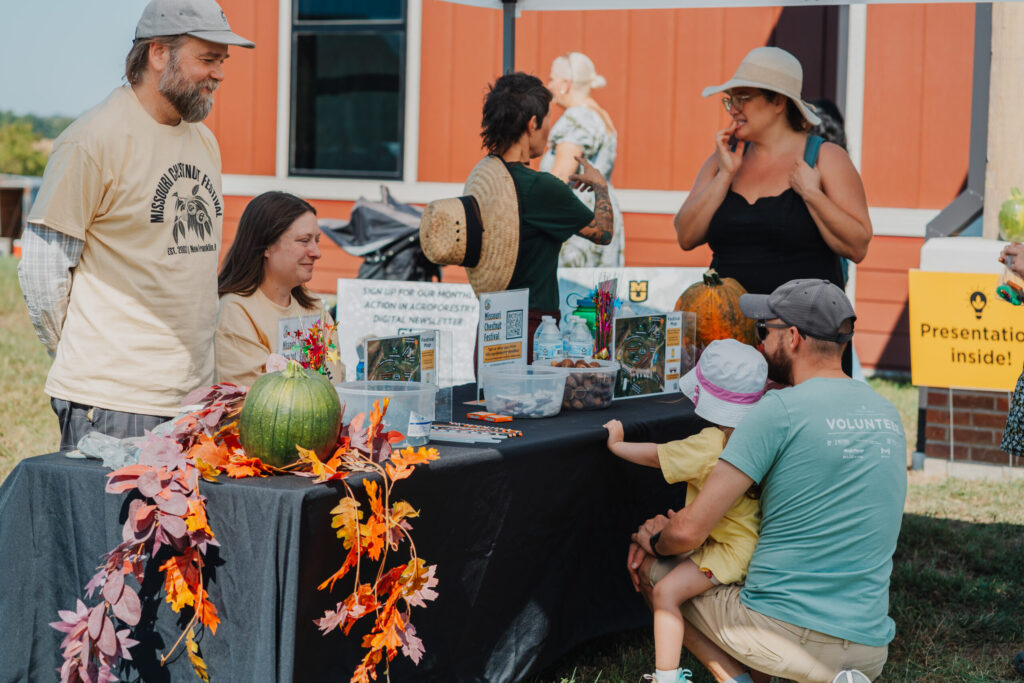
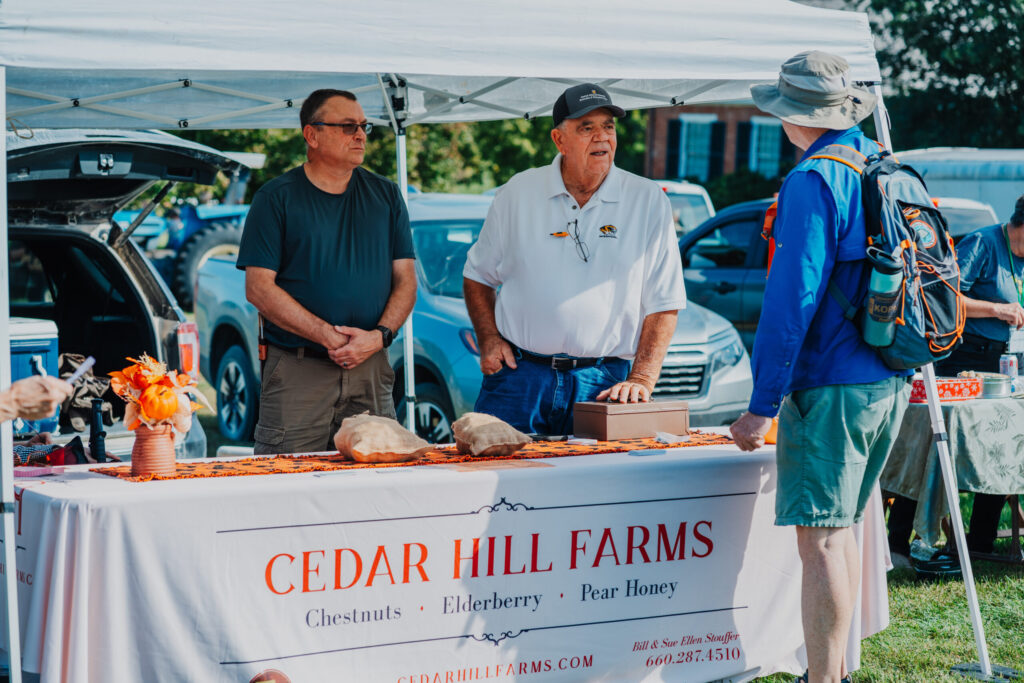
Local farmers, nurseries and specialty food producers connected directly with consumers, introducing visitors to products ranging from fresh nuts and native plants to handcrafted goods.
These connections are central to the Center for Agroforestry’s mission. As interest grows in locally produced foods and diversified farming systems, creating opportunities for consumers to discover and purchase perennial crops can help strengthen emerging markets and support new income opportunities for farmers.
Exploring the Research Behind the Harvest
Beyond the food and festivities, the festival opened the gates to one of the nation’s leading agroforestry research programs.
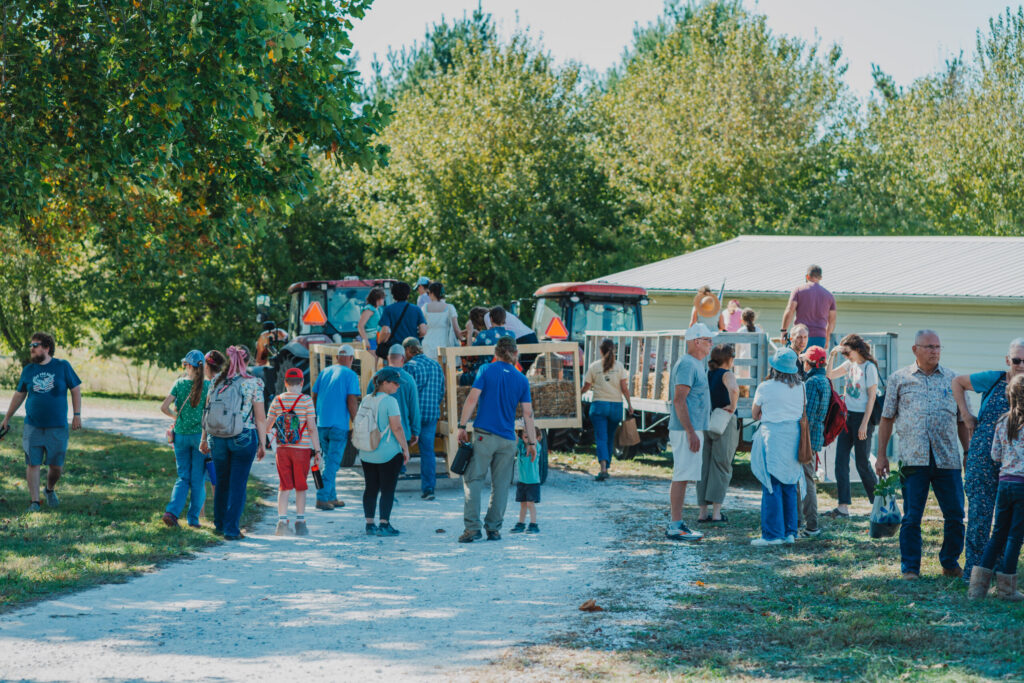
Visitors climbed aboard hay wagons for guided tours through the nearly 700-acre research farm, home to decades of research on chestnuts, black walnuts, elderberries and other specialty crops.
The Center’s research teams are working to develop improved tree crop varieties, advance orchard management practices and address barriers to commercial production. This work supports farmers interested in integrating trees into agricultural landscapes, whether through dedicated orchards or agroforestry systems that combine trees with crops or livestock.
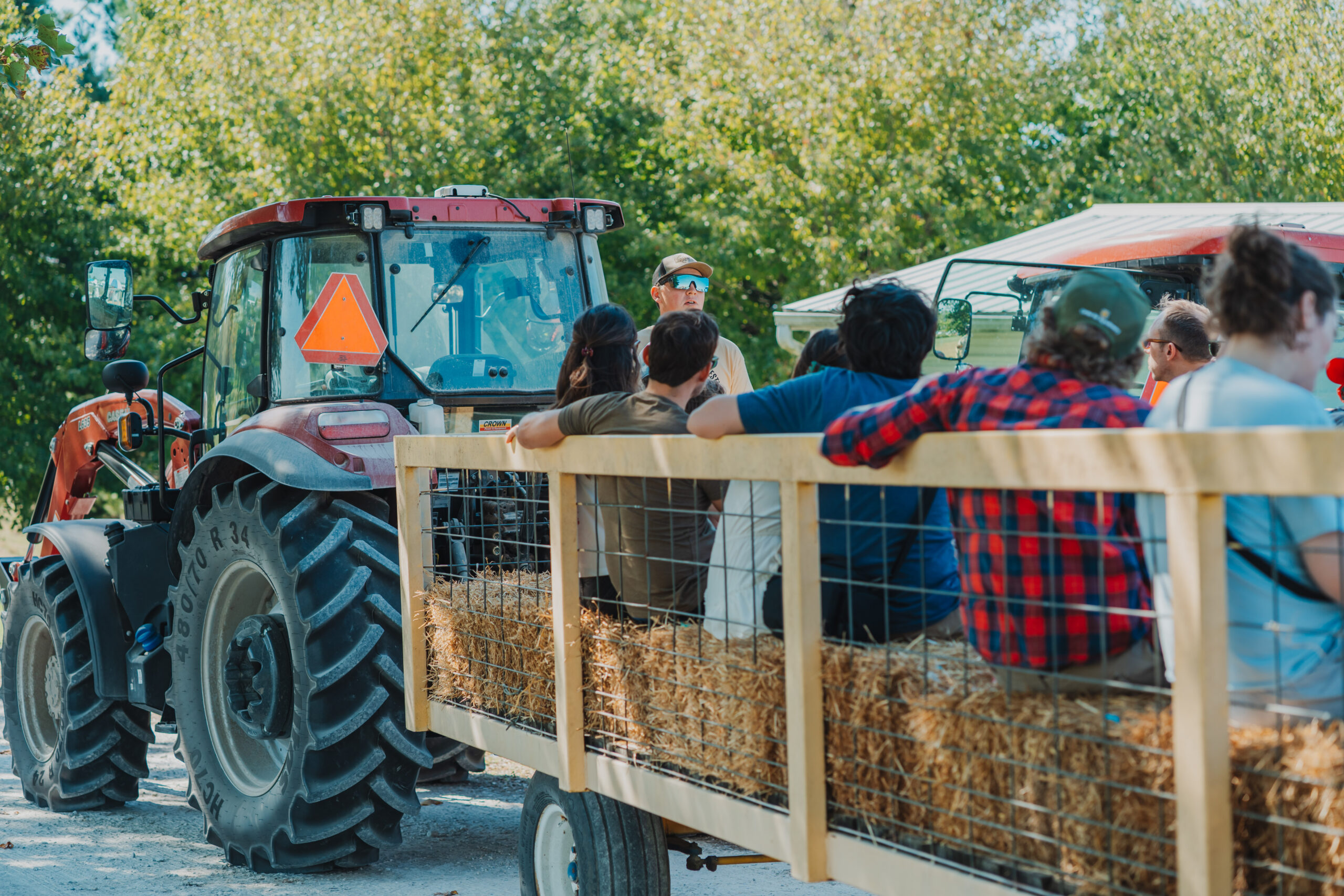
For many visitors, the festival provided a rare opportunity to see this research in action and better understand the long-term investments required to establish new agricultural industries.
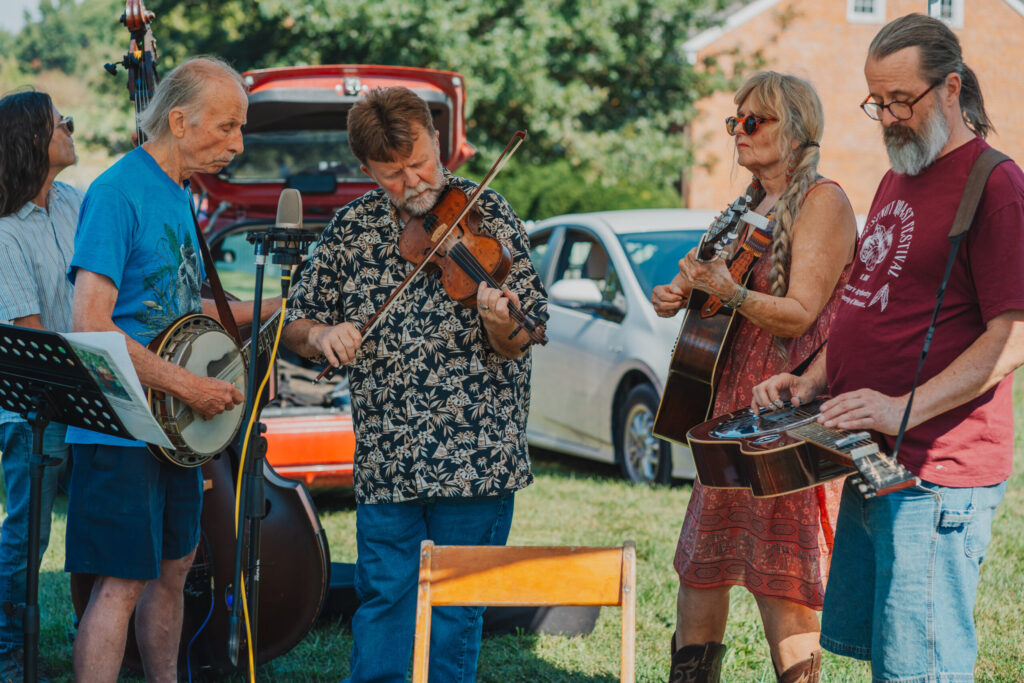
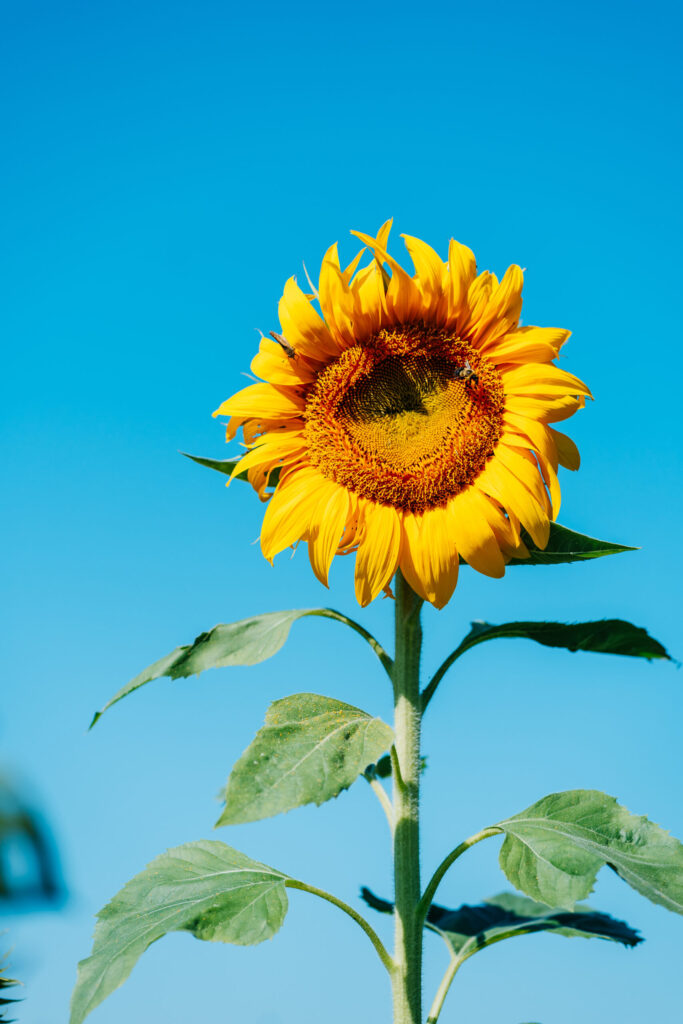
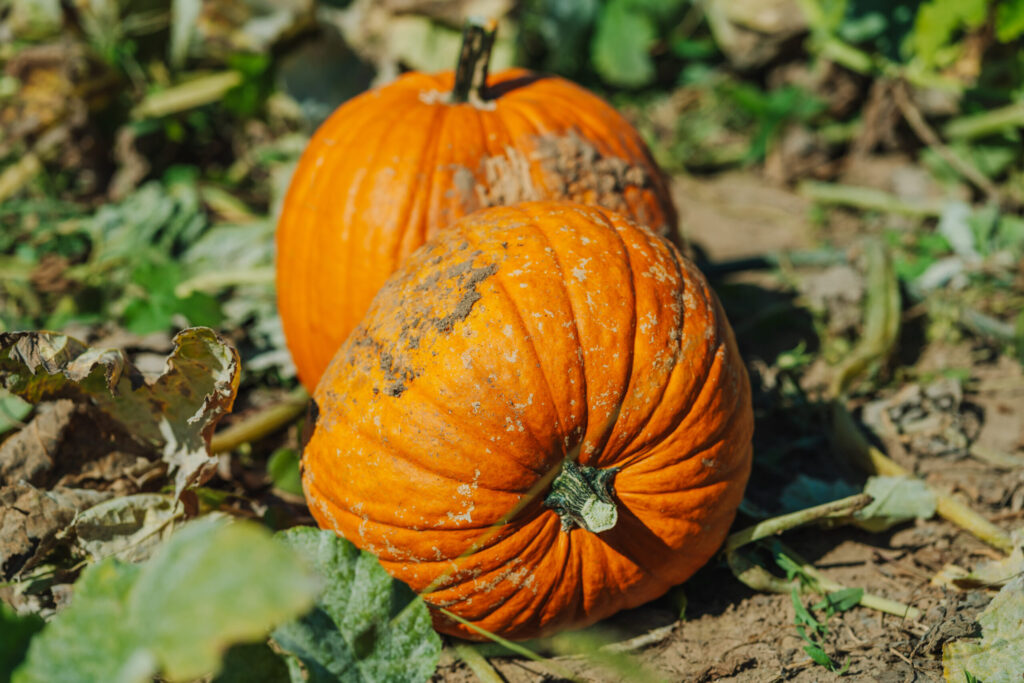
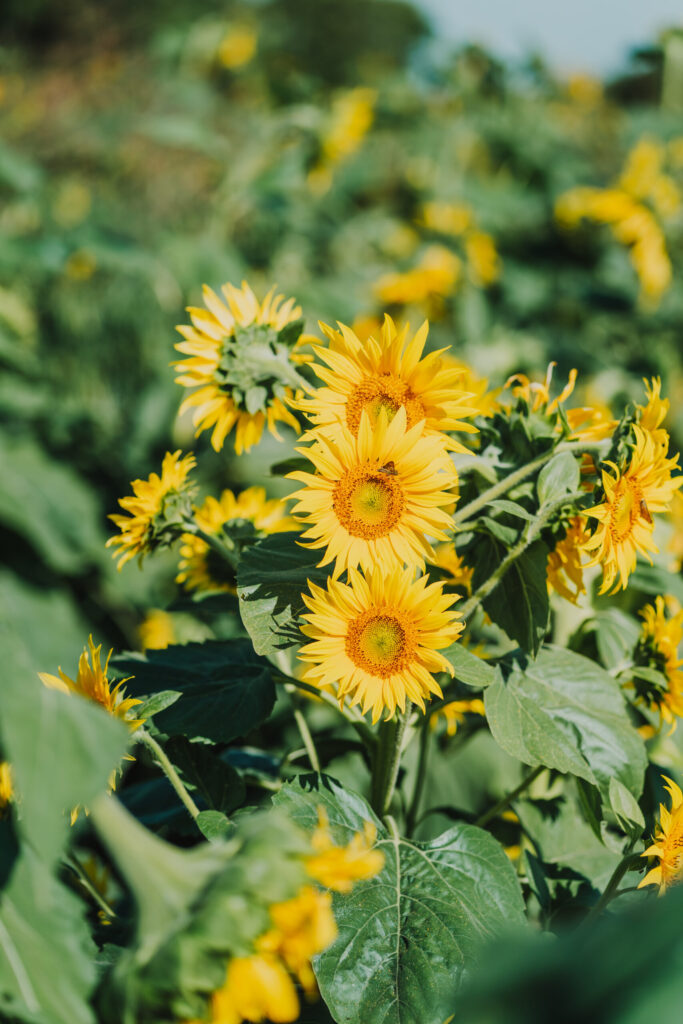
The event also celebrated the natural and cultural history of the Missouri River Hills. A special presentation series explored the Boonslick region’s geological history and its influence on local landscapes, food traditions and culture. Visitors enjoyed the historic Thomas Hickman House, live bluegrass music, children’s activities, pumpkin picking and a sunflower field.
Building Connections Across Agriculture and Conservation
More than 25 participating vendors and exhibitors helped connect festivalgoers with Missouri’s agricultural and conservation communities.
Representatives from nurseries, grower associations, government agencies, university programs and nonprofit organizations shared resources on native plants, land stewardship, specialty crop production and conservation practices.
The festival also featured a native plant sale organized by the Missouri Prairie Foundation, providing opportunities for visitors to bring home plants that support biodiversity and healthy ecosystems.
Together, these organizations demonstrated how agriculture and conservation can work hand in hand to support productive, resilient landscapes.
The festival’s reach extends beyond a single day of education and entertainment. By introducing new audiences to agroforestry and connecting landowners with technical expertise, the event contributes to broader efforts to expand perennial agriculture across Missouri and the Midwest.
Growing a More Resilient Agricultural Future
Missouri has played a leading role in advancing agroforestry research, education and practice for decades. At the University of Missouri Center for Agroforestry, researchers are developing practical solutions to help farmers diversify production, improve soil and water resources, and build economically viable agricultural systems.
Tree crops such as chestnuts and black walnuts represent an especially promising opportunity. With continued advances in plant breeding, orchard management, processing infrastructure and market development, these crops could become increasingly important components of regional food systems.
The Missouri Chestnut Festival helps bring that vision to life by connecting scientific research with the people who can put it into practice — farmers, landowners, businesses, conservation professionals and consumers.
What began in 2003 as a modest effort to introduce Missourians to locally grown chestnuts has grown into an annual celebration of the state’s agricultural heritage and its potential for innovation.
The Center for Agroforestry extends its appreciation to the participating farmers, vendors, exhibitors, performers, volunteers and university partners who helped make the 2026 festival possible.
Thank you to our festival sponsors!